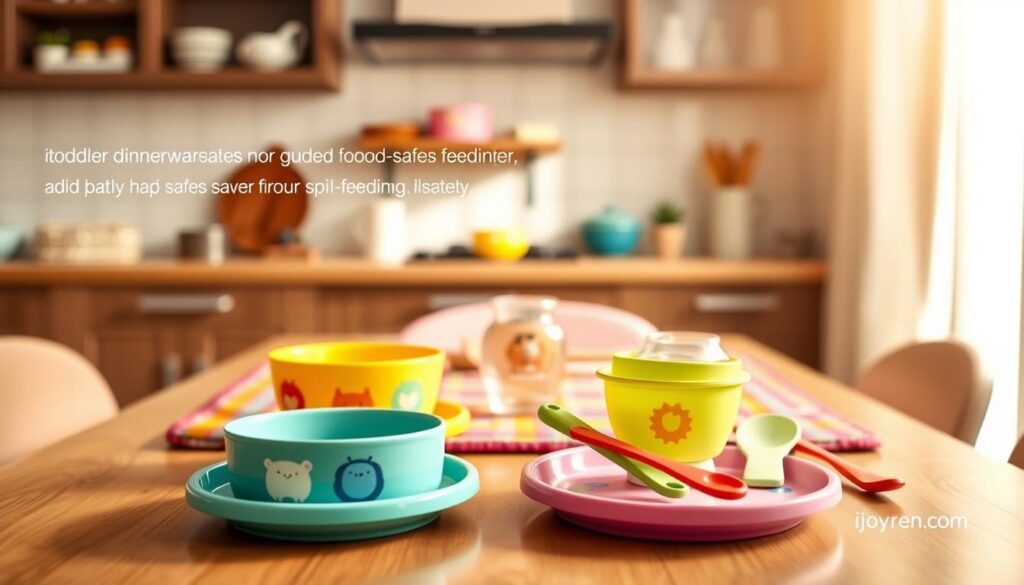
Starting your little one on the journey of independent eating is an exciting milestone for every parent. To make this transition smoother, choosing the right Food-Safe Toddler Dinnerware is essential for creating a positive environment at the table.
When selecting gear, you should prioritize material quality, durability, and age-appropriate features. Reliable products often feature CPSIA-compliant standards, ensuring they remain free from harmful chemicals like BPA, lead, or phthalates. By focusing on these details, you ensure that every mealtime remains both simple and enjoyable for your growing child.
We invite you to visit iJoyren to explore a curated selection of dependable feeding solutions. Whether you are looking for individual items or wholesale opportunities, our resources help you make informed decisions for your family.
Key Takeaways
- Prioritize materials that are free from BPA, PVC, and lead for your child’s health.
- Look for CPSIA-compliant certifications to ensure high safety standards.
- Consider the durability and age-suitability of items to support developmental growth.
- Choose designs that are easy to clean and maintain for busy parents.
- Visit iJoyren for expert guidance on selecting quality feeding equipment.
Introduction to Baby Self-Feeding Supplies
Helping your baby learn to eat independently is a rewarding process that begins with the right supplies. As your little one grows, they naturally become curious about the food on their tray. Providing them with the correct tools can turn messy experiments into meaningful developmental milestones.
What Are Baby Self-Feeding Supplies?
Self-feeding supplies encompass a variety of items specifically engineered for small hands and developing mouths. This category includes ergonomic spoons, forks, bowls, and BPA-Free Toddler Plates that are designed to stay in place. These items help minimize the frustration of spills while allowing your child to focus on the task of eating.
When you choose high-quality gear, you provide a safer environment for your baby to explore new textures. Using BPA-Free Toddler Plates ensures that your child is not exposed to harmful chemicals during their daily meals. These tools are crafted to be durable, easy to clean, and perfectly sized for a toddler’s grip.
Importance of Self-Feeding for Development
Self-feeding is a gradual journey that often starts with simple finger foods. As your baby gains confidence, they will eventually transition to using utensils and open cups. This progression is essential for building fine motor skills and hand-eye coordination.
Caregivers should always select products that match the child’s current abilities and supervision needs. By offering the right support at the right time, you encourage your baby to participate actively in family meals. This empowering experience fosters a healthy relationship with food that can last a lifetime.
Key Benefits of Self-Feeding
Self-feeding is a powerful way to foster your child’s growth and confidence from the very first bite. While caregivers remain close by to provide necessary supervision, allowing a baby to take the lead during mealtime transforms a routine task into a meaningful learning opportunity.
Promotes Independence
When babies control the pace and method of their eating, they develop a sense of agency. This autonomy allows them to explore textures and flavors at their own speed, which reduces mealtime stress for both the child and the parent. Giving your baby this freedom helps them learn to listen to their own hunger cues, a skill that serves them well throughout their lives.
Encourages Motor Skills Development
The physical act of eating requires significant coordination. Using Non-Toxic Kids Utensils with short, easy-grip handles is an excellent way to help your baby master these movements. These tools are specifically designed to support:
- Improved hand-to-mouth coordination.
- Refined grasping techniques.
- Early control over feeding implements.
Supports Healthy Eating Habits
Introducing specialized tools like divided plates can make a world of difference in how a child perceives their meal. These plates help separate different food groups, which supports portion awareness and prevents sensory overload. By using Non-Toxic Kids Utensils alongside these plates, children feel less frustrated and more encouraged to try new ingredients.
Consistent practice with these tools builds lasting confidence. As your child gains better coordination, they develop a more positive relationship with food. This early foundation is essential for establishing healthy, long-term eating routines that will benefit them for years to come.
Top Baby Self-Feeding Products
Equipping your kitchen with the right tools transforms messy mealtimes into moments of discovery. Investing in high-quality Child-Friendly Dinner Sets ensures that your little one has the support they need to explore new textures and flavors safely. These curated collections are designed to grow alongside your child, making the transition to solid foods much smoother.
Spoons and Forks Designed for Small Hands
When choosing utensils, look for options that feature smooth edges and manageable lengths. It is vital that the handles fit comfortably in small hands without creating unnecessary strain during those first attempts at self-feeding. Ergonomic designs help toddlers gain better control as they learn to navigate food from the plate to their mouths.
Easy-to-Hold Baby Plates
A great plate can significantly reduce the chaos of a typical mealtime. Many parents prefer models with suction bases that keep the dish firmly attached to the high chair tray. Features like raised rims and divided sections help keep food contained, allowing your child to focus on their motor skills rather than chasing runaway peas.
Spill-Proof and Sippy Cups
Transitioning to a cup is a major milestone in a child’s development. Training cups and sippy cups with spill-proof valves are essential for minimizing messes while building confidence. For a durable and eco-friendly choice, consider stainless steel mugs. These are often dishwasher safe, easy to recycle, and feature handles that are perfectly sized for tiny fingers to grasp securely.
Safety Considerations for Baby Feeding
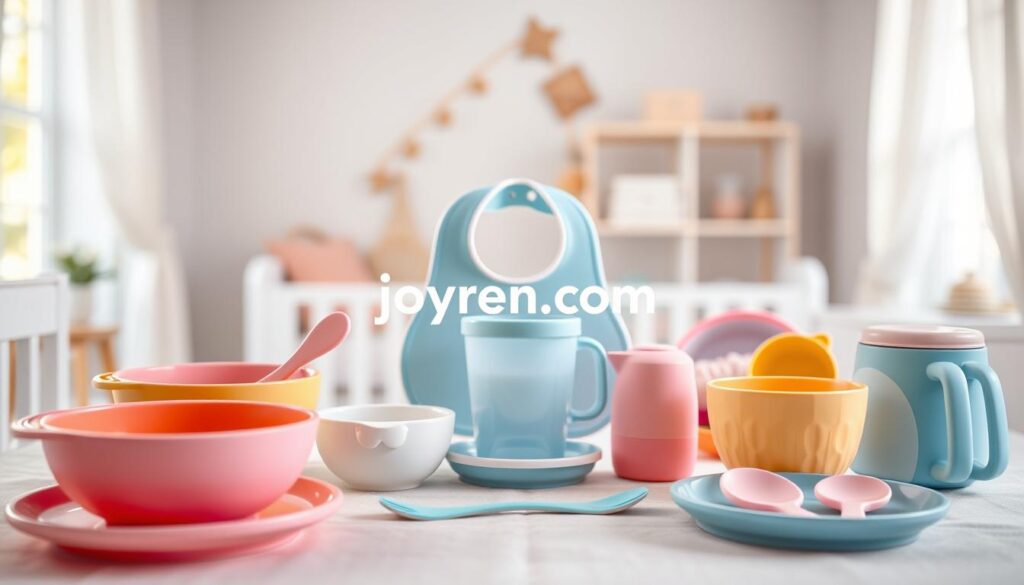
Ensuring your little one stays safe during mealtime is the most important part of the self-feeding journey. When you invest in Safe Baby Feeding Products, you provide a secure environment for your child to explore new textures and flavors. Prioritizing quality materials and smart design helps prevent accidents while fostering healthy eating habits.
Non-Toxic Materials
Choosing the right material is essential for your baby’s health. Many parents prefer food-grade silicone because it is soft, durable, and free from harmful chemicals like BPA or phthalates. Stainless steel is another excellent, long-lasting option that is easy to sanitize, though it can get hot if used with boiling liquids.
Natural wood and bamboo offer an eco-friendly alternative, but they require careful maintenance to prevent splintering. Tempered glass is highly hygienic and heat-resistant, making it a great choice for parents who want to avoid plastics entirely. Always check that the items you purchase are certified as food-contact safe.
| Material | Durability | Care Requirement |
|---|---|---|
| Silicone | High | Dishwasher safe |
| Stainless Steel | Very High | Hand wash recommended |
| Bamboo | Moderate | Keep dry; oil occasionally |
Choking Hazards to Avoid
Even the best Safe Baby Feeding Products require vigilance to remain effective. You must inspect all items regularly for cracks, peeling finishes, or loose parts that could pose a risk. If a spoon or plate shows signs of damage from heat or repeated washing, it is time to replace it immediately.
Avoid any products with small, detachable pieces that could easily become a choking hazard. Always supervise your baby while they are eating, and ensure they remain in a seated position to prevent accidental choking. Furthermore, prepare food in age-appropriate sizes and textures to support your child’s development safely.
Wholesale Options for Brand Partners
Partnering with the right supplier can transform how your brand approaches the competitive baby feeding market. By securing a reliable source for Phthalate-Free Toddler Tableware, you ensure that your customers receive only the safest and most durable products available today.
Benefits of Partnering with a Wholesale Supplier
Working directly with a dedicated wholesale partner offers significant operational advantages for retailers, subscription services, and parenting-focused brands. You gain access to a consistent supply chain, which is vital for maintaining stock levels and meeting customer demand without interruption.
Beyond simple availability, wholesale partnerships allow you to curate a broader category selection. This enables your business to:
- Create perfectly coordinated feeding sets that appeal to style-conscious parents.
- Simplify inventory planning through predictable lead times and reliable order fulfillment.
- Maintain high quality standards across your entire range of Phthalate-Free Toddler Tableware.
Financial Advantages of Bulk Purchasing
Bulk purchasing is a proven strategy to improve your bottom line while providing value to your end users. By ordering in larger quantities, you can significantly reduce your per-unit costs, which allows for more competitive retail pricing in a crowded marketplace.
This financial efficiency supports your ability to scale across multiple sales channels, from e-commerce platforms to boutique storefronts. When you optimize your procurement process, you free up resources to focus on marketing and customer engagement.
If you are ready to explore our wholesale opportunities, we are here to assist you with product details, minimum-order requirements, and availability. Please reach out to our team at joan@bebecares.com to discuss how we can support your brand with our premium Phthalate-Free Toddler Tableware.
How to Choose the Right Self-Feeding Supplies
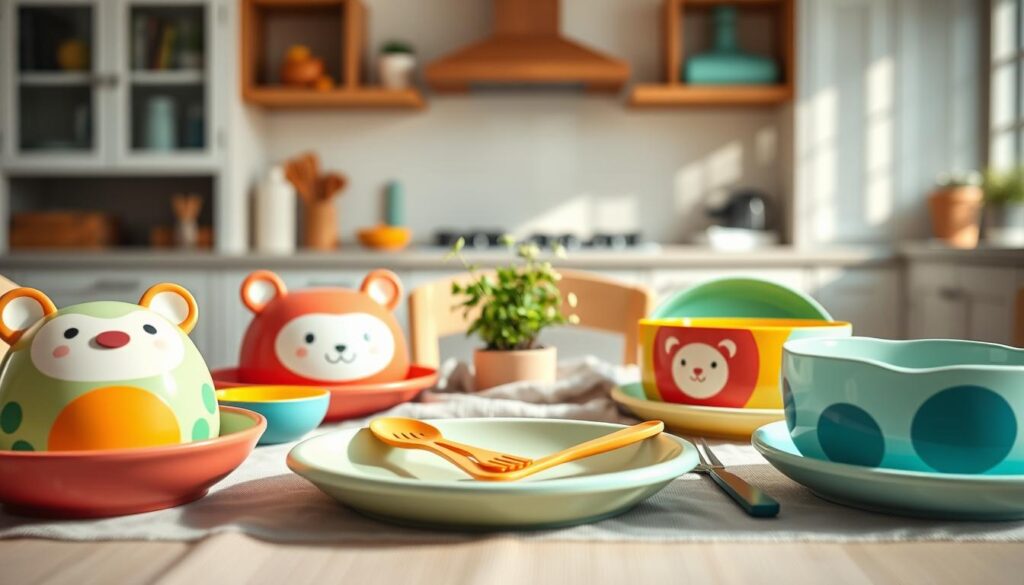
Navigating the world of baby dinnerware can feel overwhelming, but a structured approach makes the process simple. When you prioritize safety and functionality, you ensure that every meal becomes a positive learning experience for your child. Selecting the right Eco-Friendly Children’s Dinnerware is a foundational step in supporting your baby’s transition to solid foods.
Age Appropriateness
Your child’s developmental stage dictates the type of tools they need to succeed. Younger babies typically require shallow bowls that allow for easy scooping and soft silicone cups that are gentle on developing gums.
As your little one grows into a toddler, their motor skills will improve significantly. At this stage, you can introduce forks, open cups, and standard-sized plates to help them refine their coordination. Matching the equipment to their current ability prevents frustration and encourages confidence during mealtime.
Material Durability
Choosing the right material is essential for both longevity and safety. Stainless steel is incredibly durable and easy to sanitize, making it a long-term investment for your kitchen. Silicone remains a popular choice because it is flexible, heat-resistant, and virtually unbreakable.
Natural options like bamboo and acacia wood offer a beautiful aesthetic, but they require more careful maintenance. When shopping for Eco-Friendly Children’s Dinnerware, always verify the composition of bamboo products. Some items may contain melamine binders, so check the labels to ensure you are getting a pure, safe product for your family.
Design Features
Beyond the material, consider how the design fits into your daily household routine. Look for features like suction bases that prevent spills and ergonomic handles that fit comfortably in small hands.
Ease of cleaning is another critical factor for busy parents. Always confirm if your chosen Eco-Friendly Children’s Dinnerware is truly dishwasher safe, especially if it features intricate designs. Prioritizing practical features will save you time and ensure that your feeding supplies remain in excellent condition for years to come.
Innovative Trends in Baby Self-Feeding
New advancements in baby gear are transforming how children interact with their food. Modern Kid-Safe Eating Supplies are no longer just basic tools; they are engineered to support developmental milestones while prioritizing the health of our planet.
Eco-Friendly and Sustainable Options
Parents today are increasingly conscious of the materials touching their baby’s food. Manufacturers are responding by shifting toward sustainable alternatives that reduce environmental impact without sacrificing safety.
Responsibly sourced wood, food-grade silicone, and high-quality stainless steel have become the gold standard for Kid-Safe Eating Supplies. While silicone is prized for its flexibility and heat resistance, stainless steel offers unmatched durability and ease of cleaning. Each material requires specific care, but all provide a non-toxic foundation for independent eating.
| Material | Durability | Maintenance | Sustainability |
|---|---|---|---|
| Silicone | High | Dishwasher Safe | Recyclable |
| Stainless Steel | Very High | Easy Wash | Highly Recyclable |
| Bamboo/Wood | Moderate | Hand Wash Only | Biodegradable |
Technology-Enhanced Feeding Tools
Innovation in this space focuses on practical solutions that simplify the daily routine for caregivers. Smart design features are now standard in high-quality Kid-Safe Eating Supplies, ensuring that mealtime remains a positive experience.
Engineers are integrating weighted bases and advanced suction systems to prevent spills and messes. These modular designs allow products to grow with the child, adjusting to their changing motor skills as they transition from purees to solid foods. By focusing on stability and ergonomic shapes, these tools empower toddlers to explore their food with confidence and minimal frustration.
Marketing Strategies for Self-Feeding Products
Building trust with your audience starts by showing exactly how your gear performs in the real world. Modern parents are looking for Durable Toddler Dish Sets that can withstand the daily rigors of a busy kitchen. Instead of relying on staged studio photography, brands should focus on capturing the messy, authentic moments of mealtime.
Social Media Promotions
Social media platforms offer the perfect stage to demonstrate the practical utility of your products. Short-form videos are highly effective for showcasing specific features that parents care about most.
- Suction Performance: Record quick clips showing how well mats stay attached to high chair trays.
- Easy-Clean Routines: Demonstrate how quickly silicone or stainless steel items can be wiped down or tossed in the dishwasher.
- Mealtime Setups: Share creative, balanced plate arrangements that highlight the ergonomic design of child-sized utensils.
By highlighting these features, you provide clear evidence that your Durable Toddler Dish Sets are built for longevity. Always include clear care instructions and safety documentation to reassure parents about the quality of the materials used.
Collaborating with Parenting Influencers
Partnering with trusted voices in the parenting community helps bridge the gap between a brand and its customers. Influencers can provide transparent demonstrations that feel relatable and honest.
Encourage your partners to compare different materials, such as the weight of stainless steel plates versus the flexibility of silicone mats. When an influencer shows a toddler successfully using an acacia wood bowl, it provides social proof that your Durable Toddler Dish Sets are both functional and safe.
“Seeing a product in action during a real meal makes all the difference when deciding what to buy for my little one.”
Focus on influencers who prioritize safety and developmental milestones. Their ability to explain the benefits of specific designs will resonate deeply with parents seeking reliable feeding solutions.
Customer Testimonials
Many families find that choosing the right gear transforms their daily feeding struggles into moments of joy. When searching for Healthy Toddler Dining Options, hearing from other parents provides invaluable insight into what actually works at the dinner table.
Real Experiences from Parents
Parents frequently report that switching to ergonomic utensils leads to fewer spills and less frustration. One mother noted that her son, who previously struggled with standard spoons, gained immediate confidence when using a weighted, easy-grip set. This newfound ability to grasp tools effectively encourages children to participate more actively in their own meals.
Another parent shared that using divided plates helped her picky eater feel less overwhelmed by food variety. By keeping textures separate, her toddler felt more comfortable exploring new flavors. These positive outcomes highlight how thoughtful design supports a child’s natural development during the transition to solid foods.
How Products Enhance the Feeding Experience
While the benefits are clear, understanding the maintenance of different materials is essential for long-term satisfaction. For instance, many parents opt for plastic-free tableware to ensure safety and durability. However, silicone can sometimes retain soap odors if not washed thoroughly, while wooden items require careful drying to prevent warping.
Choosing the right Healthy Toddler Dining Options depends heavily on your specific household routine and your child’s age. By reading authentic reviews, you can compare how different materials hold up to daily use. This practical approach ensures you select items that balance ease of cleaning with the developmental needs of your growing child.
| Material | Primary Benefit | Maintenance Tip |
|---|---|---|
| Silicone | Non-slip and durable | Soak in vinegar to remove odors |
| Bamboo/Wood | Eco-friendly and sturdy | Hand wash and air dry completely |
| Stainless Steel | Easy to sanitize | Avoid abrasive scrubbers |
FAQs about Baby Self-Feeding
If you are wondering how to start your baby on their self-feeding journey, you are certainly not alone. Many caregivers feel uncertain about when to introduce specific tools or which materials are truly safe for their little ones. Prioritizing your child’s health starts with understanding the basics of baby self-feeding safety.
Common Concerns and Misunderstandings
One common myth is that all plastic items labeled as safe are created equal. While many parents look for BPA-free feeding supplies, it is equally important to check for other harmful substances like phthalates, lead, cadmium, and PFAS. Always read the manufacturer’s full disclosure to ensure the highest standards of protection.
Another frequent concern involves the use of melamine and vintage ceramics. You should never microwave melamine, as high heat can cause the material to break down and leach chemicals into food. Similarly, hand-painted or vintage ceramics often contain lead-based glazes that are not suitable for young children.
Expert Answers to Frequently Asked Questions
When selecting toddler dinnerware materials, silicone and stainless steel are widely considered the gold standard. Silicone is durable, heat-resistant, and soft on developing gums, while stainless steel offers a long-lasting, non-porous surface. These materials are excellent choices for parents who want to avoid the risks associated with older plastics.
Many parents also ask about the best time to introduce baby-led feeding utensils. Most experts suggest that once a baby can sit upright with minimal support and shows interest in grabbing food, they are ready to explore. However, always keep these tips in mind:
- Supervision is key: Never leave a child unattended while they are eating, regardless of the equipment used.
- Check for suction: Suction-based plates and bowls are fantastic for preventing spills, but ensure they are securely attached to a clean, flat surface.
- Regular inspection: Frequently check all utensils for cracks, chips, or signs of wear that could harbor bacteria.
If you ever feel unsure about your child’s progress or have specific concerns about their eating habits, do not hesitate to consult a pediatric professional. They can provide personalized guidance tailored to your baby’s unique developmental needs. Following manufacturer instructions and staying informed will help make every mealtime a positive experience.
Contact Us for Wholesale Inquiries
Building a successful retail business requires reliable partners who understand the needs of modern parents. We provide high-quality wholesale baby feeding supplies designed to meet the highest safety and design standards. Our team is ready to support your growth through strategic feeding product brand partnerships.
Reach Out via Email
Send your questions about product ranges, bulk pricing, or order availability to joan@bebecares.com. We prioritize clear communication to ensure your inventory needs are met with precision.
Connect with Us on WhatsApp
For immediate assistance or quick updates on our latest collections, message us directly at https://wa.link/b88mcs. This channel offers a fast way to discuss your specific requirements for baby dinnerware wholesale solutions.
Visit Our Website for More Information
Explore our full catalog and learn more about our commitment to quality by visiting https://ijoyren.com/. We look forward to helping your business thrive with our premium selection of feeding tools.