Launching your own brand requires understanding what makes a good Munchkin-style baby household product. Parents today prioritize safety, durability, and intuitive design above all else. Whether you are developing a 10-ounce spoutless sippy cup or collapsible silicone storage, your items must solve real-world parenting challenges.
Success in this competitive market relies on selecting non-toxic materials and ensuring every piece is easy to clean. Spill prevention and age-appropriate features are essential for building trust with your customers. By focusing on these core values, you create items that families rely on daily.
If you need expert guidance on sourcing or manufacturing, visit ijoyren.com to explore our catalog. For direct support, reach out via WhatsApp or email joan@bebecares.com to discuss your vision.
Key Takeaways
- Prioritize non-toxic, durable materials for all infant gear.
- Focus on functional designs that simplify daily parenting tasks.
- Ensure your items feature spill-proof and easy-to-clean technology.
- Test designs for age-appropriate safety and ergonomic comfort.
- Connect with professional suppliers to streamline your production process.
Understanding Private-Label Products
Building a successful brand in the nursery industry often starts with the private-label model. This approach allows you to sell manufactured goods under your own unique brand name, giving you full control over your market presence.
By focusing on quality baby products, you can establish a reputation that resonates with parents. Whether you are looking for guidance or partnership, you can reach out to us at ijoyren.com, contact us via WhatsApp, or email joan@bebecares.com for more details.
Definition of Private-Label
Private-labeling is the process where a retailer hires a manufacturer to produce goods that are sold exclusively under the retailer’s brand. Unlike generic white-label items, these products are often customized to meet specific design or functional requirements.
This strategy allows you to offer a specialized baby household product that stands out on the shelf. You are not just selling an item; you are curating a collection that reflects your brand’s values and commitment to excellence.
Benefits of Private-Label Brands
Adopting a munchkin-style approach to your business can provide significant advantages. This involves creating an easy shopping experience, maintaining social responsibility, and offering responsive in-house support to your customers.
When you prioritize these elements, you build long-term loyalty with your audience. Parents are constantly searching for family-friendly items that offer both safety and convenience in their daily routines.
The following table highlights why private-labeling is a preferred choice for many growing brands:
| Feature | Private-Label | Generic/White-Label |
|---|---|---|
| Brand Identity | High (Customized) | Low (Standardized) |
| Customer Loyalty | Strong | Weak |
| Market Positioning | Premium/Distinctive | Commodity/Budget |
| Profit Margins | Higher Potential | Lower |
By focusing on a consistent baby household product strategy, you ensure that your brand remains competitive. Emulating a munchkin-style dedication to performance helps you deliver the quality baby products that modern families demand. Ultimately, your success depends on providing reliable, family-friendly items that parents can trust every single day.
Market Research Costs
Successful brands are built on a foundation of rigorous market research and data-driven insights. Before you commit capital to production, you must understand the specific needs of your future customers. Investing in this phase helps you avoid costly mistakes and ensures your quality baby products resonate with the right audience.
Analyzing Target Demographics
To succeed, you need to identify exactly who is buying your baby essentials. This involves looking at the developmental stages of infants and the daily challenges faced by caregivers. You should study household needs and the primary motivations that drive parents to choose one brand over another.
Understanding these factors allows you to tailor your offerings to specific pain points. Whether you are targeting new parents or experienced caregivers, your research should highlight what makes your brand a top-rated baby product choice. If you need guidance on identifying these segments, feel free to reach out to us at ijoyren.com, contact us via WhatsApp, or email joan@bebecares.com for expert advice.
Competitor Analysis
A thorough review of the current market landscape is essential for long-term growth. You must compare competitors across several key areas, including product range, age labeling, material safety, and convenience features. For instance, looking at a brand like Munchkin shows how a broad assortment can effectively serve multiple developmental stages, from feeding tools to toddler drinkware.
Your goal is to find gaps where you can introduce top-rated baby products that offer better portability or easier cleaning. By analyzing customer reviews, you can discover what parents truly value in their baby essentials. This research helps you create a unique value proposition that stands out in a crowded marketplace.
Product Development Expenses
Transforming a simple idea into a functional baby household product requires careful planning and investment. The goal is to translate a parent’s daily frustration into a measurable design benefit, such as controlled feeding or simpler cleanup.
When you focus on quality baby products, you build trust with your customers from day one. By addressing specific pain points, you ensure your brand provides real value to families.
Material Selection Costs
Choosing the right materials is essential for safety and longevity. For instance, using non-toxic, odor-resistant silicone is a standard for items like the Puree Squeezer Presser Spoon. These materials often carry a higher price tag, but they are non-negotiable for parents who prioritize health.
You must balance material costs with the desired retail price point. High-grade materials often reduce long-term return rates and increase customer satisfaction. Durability is the hallmark of a successful brand.
“Design is not just what it looks like and feels like. Design is how it works.”
Prototyping and Testing Fees
Before mass production, you must invest in engineering revisions and sample production. This phase confirms that your innovative baby gear concept functions exactly as intended in real-world scenarios. Testing should cover safety, ergonomics, and cleaning performance to ensure the product meets strict industry standards.
If you need assistance with product development or want to explore manufacturing options, feel free to reach out. You can visit our website at ijoyren.com, contact us via WhatsApp, or send an email to joan@bebecares.com. We are here to help you bring your vision to life with precision and care.
Manufacturing Costs
Transforming your vision into reality requires a deep dive into the complexities of manufacturing. When you develop baby essentials, the production process involves much more than just finding the lowest price. You must prioritize factories that demonstrate a commitment to safety and consistent quality control.
For expert guidance on navigating these production hurdles, you can reach out to the team at ijoyren.com, contact them via WhatsApp, or send an email to joan@bebecares.com. They can help you bridge the gap between a concept and a finished, market-ready product.
Choosing the Right Manufacturer
Selecting a partner is about finding a team that can replicate safety-critical features with precision. Consider the benchmark set by the popular munchkin-style 360° sippy cup. A high-quality manufacturer must be able to replicate complex designs like a 10-ounce capacity, spoutless drinking mechanism, and automatic sealing functions.
Your chosen factory must ensure that all materials are BPA-free and meet rigorous safety standards. Top-rated baby products are defined by their reliability and durability. Always request samples and conduct thorough testing before committing to a full production run to ensure the final output matches your brand’s promise.
Minimum Order Quantities
Understanding Minimum Order Quantities (MOQ) is vital for managing your initial investment. Many factories require a specific volume to cover the costs of tooling and setup. While a higher MOQ might lower your per-unit cost, it also ties up significant capital in inventory.
Balancing these costs is essential when launching must-have baby items. You should negotiate terms that allow for manageable growth without overwhelming your warehouse space. Remember that consistent quality is far more valuable than a slightly cheaper unit price if the product fails to meet safety expectations.
Carefully planning your production cycles will help you maintain a steady supply of must-have baby items for your customers. By focusing on long-term partnerships rather than short-term savings, you build a brand that parents can trust.
Branding and Packaging Expenses
Your brand’s visual identity is the first thing parents notice when browsing for innovative baby gear. A cohesive look builds trust and helps your products stand out on crowded digital or physical shelves. Investing in high-quality design ensures that your business appears professional and reliable to your target audience.
Logo Design Costs
A professional logo serves as the foundation of your brand’s personality. You should aim for a design that is clean, memorable, and scalable across different platforms. Costs for this service vary based on whether you hire a freelance designer or a full-service branding agency.
When developing your visual assets, consider a munchkin-style approach that uses bright, inviting colors and friendly typography. This style often resonates well with parents who want products that feel approachable and safe. If you need guidance on finding the right design partners, feel free to reach out to us at ijoyren.com or contact us via WhatsApp for personalized advice.
Packaging Materials and Design
Effective packaging does more than just protect your goods; it acts as a silent salesperson. For must-have baby items, your packaging must clearly display safety information, age guidance, and cleaning instructions. Busy caregivers appreciate clarity, so keep your messaging concise and easy to read.
When selecting materials for your family-friendly items, prioritize durability and ease of use. Consider the following factors to ensure your packaging meets modern standards:
- Sustainability: Use recyclable or biodegradable materials to appeal to eco-conscious parents.
- Functionality: Ensure the packaging is easy to open and store in a typical home environment.
- Clarity: Use icons and simple text to highlight key product benefits quickly.
- Protection: Choose materials that keep items sterile and safe during transit.
If you have questions about sourcing the right materials or need help with your packaging strategy, please email us at joan@bebecares.com. We are here to help you create a brand that parents love and trust. Proper planning in this stage prevents costly mistakes and helps your products shine in the marketplace.
Marketing and Promotion Budgets
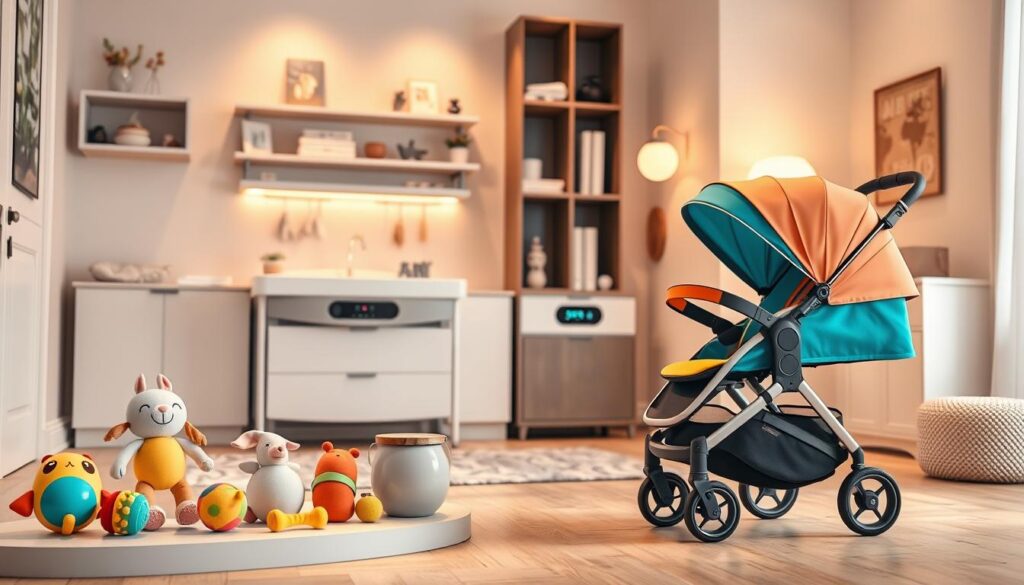
Getting your products into the hands of caregivers takes a well-planned marketing budget. You must allocate funds carefully to ensure your baby essentials reach the right people at the right time. A balanced approach combines paid visibility with genuine community engagement to build lasting brand loyalty.
Digital Advertising Strategies
Paid search and social media advertising are vital for introducing innovative baby gear to new parents. Focus your campaigns on solving specific challenges, such as managing a meal in a busy restaurant or navigating public transit with a stroller. These visual stories help caregivers see exactly how your products fit into their daily lives.
Consider implementing the following tactics to boost your conversion rates:
- Run targeted social media ads featuring top-rated baby products in real-world settings.
- Use email marketing to share helpful tips and exclusive offers with your subscribers.
- Offer shipping incentives, such as free standard delivery on orders over $50, to encourage larger purchases.
Influencer Partnerships
Authentic creator content is often more effective than traditional advertising for family-friendly items. Partner with influencers who can provide honest demonstrations of your gear during travel or cleanup routines. Seeing a spill-resistant design in action provides more value to a parent than any list of superlatives ever could.
Focus on creators who prioritize transparency and real-life parenting moments. When influencers show how your top-rated baby products simplify their day, they build trust with their audience. This trust translates into higher engagement and stronger brand recognition for your innovative baby gear.
If you are ready to discuss your marketing strategy or need support with your family-friendly items, feel free to reach out. You can visit our website at ijoyren.com, contact us via WhatsApp, or send an email to joan@bebecares.com for more information on our baby essentials.
Regulatory and Compliance Costs
Compliance is not just a legal hurdle; it is a fundamental commitment to the safety of your customers. When you enter the market, you must ensure that every item meets strict federal standards. This diligence protects your brand reputation and, more importantly, the well-being of infants.
Safety Regulations for Baby Products
Every baby household product must adhere to specific U.S. safety mandates. You need to carefully review age-suitability statements, such as 4+ months or 12+ months, to ensure clear communication. Proper labeling regarding small parts and cleaning instructions is essential for maintaining high standards.
If you make claims like “BPA-free” or “dishwasher safe,” you must provide accurate substantiation. Documentation is key to proving that your items are safe for daily use. Always verify that your materials are non-toxic and suitable for contact with food or sensitive skin.
Certifications and Testing Fees
Budgeting for third-party testing is a non-negotiable part of your financial plan. These labs verify that your quality baby products meet all mandatory physical and chemical safety requirements. Without these official certifications, you cannot legally sell your goods in the United States.
Testing fees vary based on the complexity of the item and the number of materials involved. You should also account for the time required to review labeling and safety documentation. For professional guidance on navigating these requirements, you can visit ijoyren.com, reach out via WhatsApp, or email joan@bebecares.com.
| Compliance Category | Description | Estimated Impact |
|---|---|---|
| Physical Testing | Small parts and durability checks | High |
| Chemical Analysis | BPA and lead content verification | High |
| Labeling Review | Age and safety warnings | Low |
| Documentation | Certificates of Conformity | Medium |
E-commerce Platform Fees
Launching your brand requires a solid digital foundation to reach parents effectively. Whether you are selling baby essentials or launching a new line of innovative baby gear, your website acts as the face of your business. A well-designed store builds trust and helps your must-have baby items stand out in a crowded market.
Setting Up an Online Store
The initial costs for your digital storefront include domain registration, hosting services, and platform subscriptions. Many entrepreneurs choose user-friendly platforms that offer templates to keep design costs low. Professional product photography is a vital investment here, as clear images help shoppers understand age suitability and material quality immediately.
Your product pages should clearly display care instructions and practical benefits to reduce customer uncertainty. By mirroring the clarity found on major marketplace channels, you can effectively showcase your innovative baby gear. If you need guidance on setting up your shop, feel free to visit ijoyren.com or reach out via WhatsApp for personalized support.
Payment Processing Fees
Once your store is live, you must account for the costs associated with accepting payments. Most platforms charge a small percentage per transaction, plus a fixed fee for every sale processed. These costs are standard for any business selling baby essentials online.
Choosing the right checkout tools can streamline the buying process for your customers. A smooth, secure checkout experience is essential for converting visitors into loyal buyers of your must-have baby items. For any specific questions regarding your brand’s financial setup, you can contact the team directly at joan@bebecares.com.
Shipping and Fulfillment Expenses
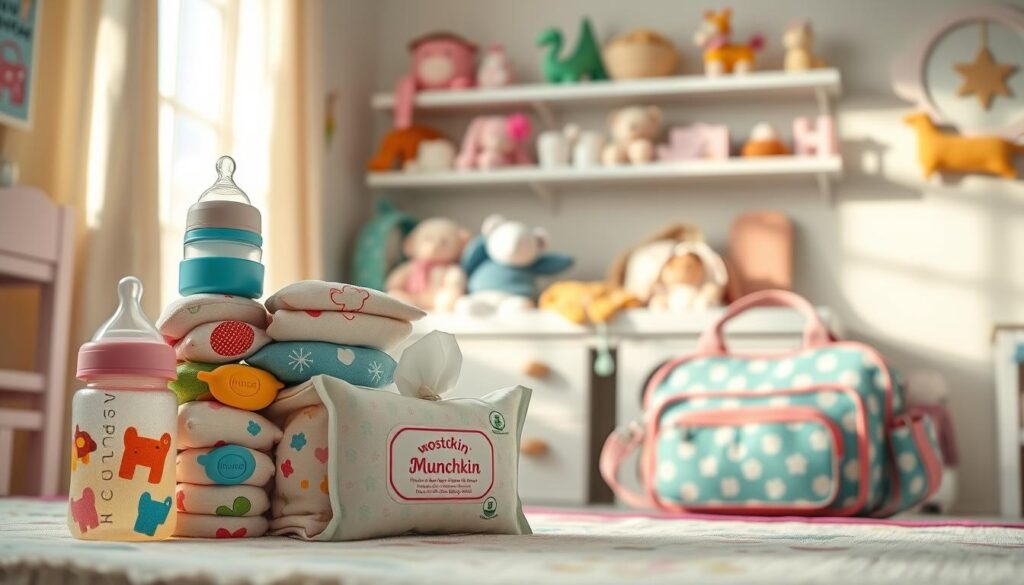
Efficient delivery systems ensure your must-have baby items reach families on time. As you scale your brand, the way you handle logistics will directly impact your profit margins and customer satisfaction. Balancing speed with cost is essential for any growing baby household product business.
Domestic vs. International Shipping
Choosing between domestic and international freight involves weighing speed against total landed cost. Domestic shipping often provides faster transit times, which is a major advantage for top-rated baby products that parents need immediately. However, international shipping can offer lower production costs, provided you account for customs duties and potential delays.
You must carefully model your shipping thresholds to protect your bottom line. Offering free delivery over $50 is a popular strategy, but you must ensure that shipping fees do not erode your margins. Always calculate the weight and dimensions of your packages, as carriers often charge based on volumetric weight rather than actual weight.
Storage and Inventory Management
Effective inventory management prevents the high costs associated with long-term storage. By choosing baby essentials with compact or collapsible designs, you can significantly reduce your warehouse footprint. For example, products that fold flat or snap together allow for more efficient stacking and lower fulfillment fees.
Smart logistics planning helps you maintain a steady supply of top-rated baby products without overstocking. If you need guidance on optimizing your supply chain or sourcing space-saving designs, feel free to reach out to us at ijoyren.com. You can also contact us via WhatsApp or email at joan@bebecares.com for personalized support.
| Logistics Factor | Domestic Strategy | International Strategy |
|---|---|---|
| Shipping Speed | High (1-3 days) | Moderate (7-14 days) |
| Customs Exposure | None | High (Requires clearance) |
| Storage Costs | Higher per unit | Lower per unit |
| Packaging Needs | Standard | Reinforced for transit |
Operational Costs
Establishing a professional infrastructure is essential for any entrepreneur launching a line of family-friendly items. While product design is exciting, the backbone of your business relies on how well you manage your daily operations. A structured approach ensures that your brand remains reliable and trustworthy for every parent you serve.
Business Licensing and Registration
Before you sell your first product, you must ensure your business is legally compliant. This involves registering your company name, obtaining a federal tax ID, and securing local business permits. Proper documentation protects your personal assets and builds credibility with suppliers.
Do not overlook the importance of business insurance. Liability coverage is a critical safety net when dealing with products intended for infants and children. You can reach out to our team at ijoyren.com or contact us via WhatsApp for guidance on navigating these initial legal hurdles.
Office and Administrative Expenses
Running a business requires consistent administrative support to handle bookkeeping, software subscriptions, and communication tools. You should also implement a robust customer service strategy to manage inquiries and returns efficiently. Following the benchmark set by industry leaders, aim to respond to all customer questions within 24 hours to maintain high satisfaction levels.
Modern brands often integrate values-based programs into their operations to foster community trust. Whether you are managing inventory or coordinating with our team at joan@bebecares.com, staying organized is key. The following table outlines the typical monthly administrative overhead for a new brand.
| Expense Category | Estimated Monthly Cost | Priority Level |
|---|---|---|
| Accounting Software | $30 – $60 | High |
| Customer Support Tools | $50 – $150 | High |
| Communication/Email | $20 – $40 | Medium |
| General Office Supplies | $50 – $100 | Low |
By keeping your administrative costs transparent, you can better allocate funds toward growing your collection of family-friendly items. Consistent processes for handling feedback and safety concerns will ultimately define your brand’s reputation in the marketplace.
Financial Planning for Your Brand
A clear financial strategy serves as the backbone for every entrepreneur entering the competitive baby products market. Success in this industry requires more than just a great idea; it demands a disciplined approach to managing your capital and resources. By mapping out your financial journey early, you can ensure your business remains resilient while you focus on delivering quality baby products to families across the country.
Funding Options Available
Launching a brand often requires a mix of capital sources to get off the ground. Many founders start with personal savings, but scaling quickly may necessitate external support. You should explore various avenues to maintain healthy cash flow while developing your must-have baby items.
- Personal Capital: Using your own savings provides full control but carries higher personal risk.
- Business Loans: Traditional bank loans or SBA programs can provide the necessary liquidity for manufacturing and inventory.
- Investors: Angel investors or venture capital firms may offer funding in exchange for equity, which is helpful for rapid scaling.
- Purchase Order Financing: This allows you to fulfill large orders by using the order itself as collateral for a loan.
If you need guidance on structuring your financial approach, feel free to reach out to us at ijoyren.com. You can also contact us via WhatsApp or send an email to joan@bebecares.com for personalized advice.
Budgeting for Future Growth
Effective budgeting requires a strict separation between one-time development expenses and recurring operational costs. You must account for inventory, advertising, fulfillment, and compliance fees to keep your business stable. When planning your product roadmap, consider the full lifecycle of your customers, from family-friendly items for newborns to innovative baby gear for toddlers aged 12 months and older.
Growth projections should be realistic and account for the evolving needs of your target audience. It is wise to reserve funds for the following areas to ensure long-term success:
- Customer Service: Building trust is essential for retaining loyal parents.
- Social Impact: Dedicating resources to community initiatives strengthens your brand reputation.
- Future Innovation: Always set aside capital to research and develop the next generation of must-have baby items.
- Quality Assurance: Never compromise on the safety and durability of your family-friendly items.
By reinvesting profits back into your business, you create a cycle of sustainable growth. This disciplined approach allows you to introduce innovative baby gear that meets the high standards parents expect today. Remember that consistent financial monitoring is the key to turning your brand into a household name.
Estimated Total Costs to Launch Your Brand
Launching a private-label business requires a clear view of your financial roadmap. You must balance initial investments in manufacturing and compliance with a buffer for unexpected market shifts. Successful brands often start with a focused range of must-have baby items before expanding their catalog.
Investment Strategy for Growth
A quality baby products business thrives when you prioritize verified safety and durable design. Think about what makes a good Munchkin-style baby household product. It comes down to solving real problems for parents while maintaining a manageable price point. You can model your growth after industry leaders by staging your product releases to control cash flow.
Every baby household product you launch should reflect your commitment to value and utility. When you focus on what makes a good Munchkin-style baby household product, you build trust with your customers. This approach turns simple baby essentials into top-rated baby products that families rely on daily.
If you need guidance on sourcing or manufacturing, reach out to the team at iJoyren. You can visit their website at https://ijoyren.com/ or send a message via WhatsApp at https://wa.link/b88mcs. For specific inquiries, email joan@bebecares.com to discuss your vision for your new brand.