Entering the European market with high-quality items requires careful planning and a deep understanding of safety standards. Whether you are launching a new brand or expanding your current catalog, mastering the logistics of Private-Label Baby-Gear is essential for long-term success. Success in this competitive space relies on strict compliance, thorough supplier verification, and precise landed-cost calculations.
Navigating international trade can feel overwhelming, but you do not have to do it alone. If you are looking for expert guidance on baby and kids product sourcing, our team is ready to help you streamline your supply chain. We specialize in helping businesses find reliable partners who meet rigorous European quality benchmarks.
Your vision deserves the best manufacturing support. You can visit iJoyRen to explore our full range of services designed for modern entrepreneurs. For immediate assistance with custom designs or supplier evaluations, please reach out to us via WhatsApp or send an email to joan@bebecares.com. We are here to ensure your products reach your customers safely and efficiently.
Key Takeaways
- Prioritize CE certification to ensure your products meet mandatory European safety standards.
- Verify suppliers thoroughly to maintain high quality and ethical manufacturing practices.
- Calculate your total landed costs early to protect your profit margins during importation.
- Consider sourcing from regions like Turkey or Portugal for faster shipping times to Europe.
- Leverage professional sourcing partners to simplify complex logistics and customs documentation.
Overview of the Silicone Baby Products Market in Europe
Modern parents across Europe are demanding more transparency and safety in the products they choose for their little ones. This shift has pushed the industry toward sustainable, traceable, and highly durable materials. As a result, businesses must adapt to these evolving standards to remain competitive in a crowded marketplace.
Key Trends and Statistics
The current market landscape emphasizes strict compliance and material integrity. Buyers of wholesale baby gear are increasingly vetting suppliers based on their ability to provide detailed documentation regarding material origins. This focus on traceability ensures that every item meets the rigorous safety benchmarks set by the European Union.
Spain has emerged as a vital manufacturing hub, offering a unique blend of craftsmanship and EU-level compliance. Many brands now utilize boutique-scale production methods to maintain high quality while meeting specific market demands. If you need assistance navigating these requirements, you can reach out to the team at iJoyren or contact us via WhatsApp for personalized guidance.
Consumer Preferences
Today’s shoppers are highly design-conscious and prioritize long-term value over low-cost alternatives. They actively seek out premium baby gear that combines aesthetic appeal with functional, non-toxic properties. This preference forces retailers to carefully curate their inventory to match the expectations of modern, informed parents.
Market positioning plays a critical role in how products are priced and sold. Whether you are sourcing for a boutique or a larger retail chain, understanding your target audience is key to success. For inquiries regarding custom production or bulk orders, please feel free to email joan@bebecares.com to discuss your specific needs for wholesale baby gear. Providing premium baby gear that aligns with these values is the most effective way to build lasting brand loyalty in the European sector.
Benefits of Silicone Baby Products
When you explore silicone baby products, you quickly realize why they dominate the current market. Modern parents prioritize health and convenience, making this material a top choice for everyday care.
Safety and Non-Toxic Properties
Safety remains the primary concern for any brand owner. Silicone is widely favored because it is inherently non-toxic and free from harmful chemicals like BPA, PVC, and phthalates.
To ensure your customized baby essentials meet high standards, always verify material quality through supplier declarations and laboratory reports. Batch traceability is essential, as it allows you to track production history and maintain consistent safety protocols for every item you sell.
“The transition to medical-grade or food-grade silicone in infant products represents a significant leap forward in consumer safety and long-term product reliability.”
Durability and Practicality
Beyond safety, the physical characteristics of silicone make it an ideal material for private-label baby accessories. It is incredibly flexible, heat-resistant, and easy to clean, which appeals to busy parents who value efficiency.
These features allow for premium product positioning, as parents are often willing to pay more for items that last through multiple stages of a child’s development. By offering durable customized baby essentials, you encourage repeat purchases and build long-term brand loyalty.
| Feature | Silicone | Plastic | Glass |
|---|---|---|---|
| Heat Resistance | High | Low | High |
| Durability | Excellent | Moderate | Fragile |
| Flexibility | High | None | None |
| Cleaning | Dishwasher Safe | Variable | Dishwasher Safe |
If you are looking to develop your own line of private-label baby accessories, we are here to help. You can visit our website at ijoyren.com, reach out via WhatsApp, or send an email to joan@bebecares.com for professional guidance on sourcing and production.
Regulations for Importing to Europe
Successfully entering the European market depends on your ability to meet rigorous safety and quality benchmarks. When you decide to import custom baby products, you must prioritize compliance to ensure a smooth transition through customs and long-term success with your customers.
It is vital to remember that regulations are not one-size-fits-all. You should confirm the specific rules for each individual SKU rather than assuming a single certificate covers your entire inventory range.
EU Safety Standards
The European Union maintains some of the strictest safety protocols in the world. Importers must navigate various requirements, including general product safety obligations, specific food-contact material regulations, and strict chemical restrictions.
For many items, the CE marking is a mandatory declaration that your product meets all relevant health, safety, and environmental protection standards. Always verify the testing requirements for your specific goods before production begins to avoid costly delays or rejected shipments.
Labeling and Packaging Regulations
Proper documentation is just as important as the physical quality of your goods. Your packaging must clearly display necessary warnings, care instructions, and detailed material information in the local language of the target market.
Maintaining a comprehensive technical file for every product is a non-negotiable step in the import process. This file serves as proof of your compliance and should be ready for inspection at any time.
If you need expert guidance on navigating these complex requirements for your custom baby products, feel free to reach out for support. You can visit ijoyren.com, contact us via WhatsApp, or send an email to joan@bebecares.com for personalized assistance.
Sourcing Silicone Baby Products
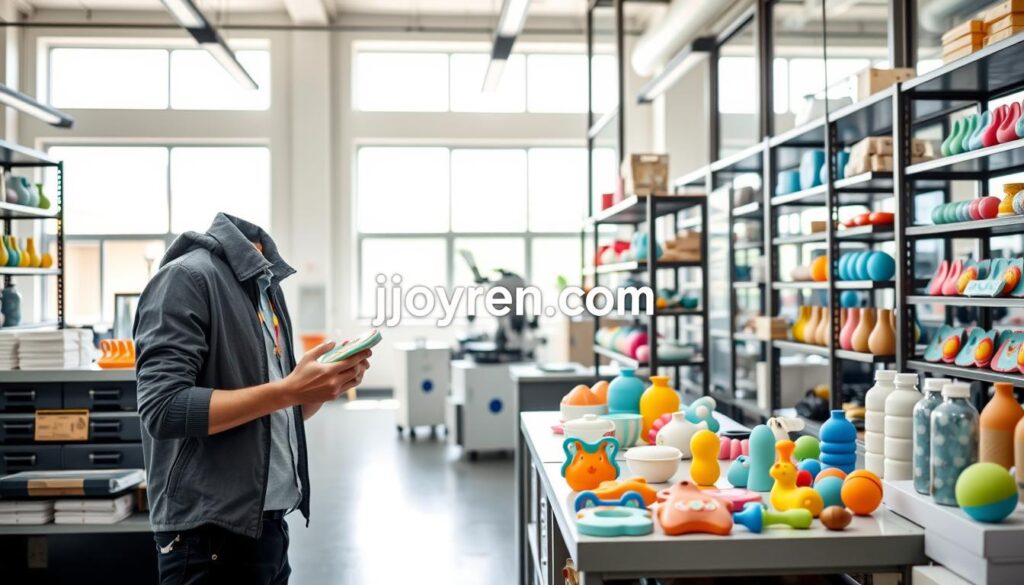
Building a successful brand starts with selecting a high-quality baby gear manufacturer that aligns with your vision. The process of finding the right partner requires careful research and a clear understanding of your specific business needs. By focusing on transparency and professional standards, you can establish a long-term partnership that supports your growth in the European market.
Finding Reliable Suppliers
When searching for a private-label baby gear supplier, you should prioritize factories that demonstrate deep expertise in silicone production. It is helpful to evaluate their production capabilities, export experience, and communication quality early in the conversation. You can reach out to experienced teams at ijoyren.com or contact them directly via WhatsApp to discuss your requirements.
A reliable partner will be open about their factory ownership and production processes. You should look for companies that offer clear communication and are willing to provide detailed information about their operations. If you have specific questions, you can also send an email to joan@bebecares.com to start a professional dialogue.
Evaluating Product Quality
Quality assurance is the backbone of any successful import business. Before committing to a large order, you must request technical data, bills of materials, and independent test evidence to ensure compliance with safety standards. These documents verify that the materials used are non-toxic and safe for infants.
To further reduce risks, consider these essential steps for quality control:
- Factory Audits: Conduct video audits or third-party inspections to verify production conditions.
- Sample Procedures: Always request physical samples to test the durability and finish of the products.
- Pilot Orders: Start with a controlled pilot order to evaluate the supplier’s consistency and delivery timelines.
By taking these precautions, you ensure that your chosen baby gear manufacturer meets all necessary safety requirements. Working with a professional private-label baby gear supplier who values quality will protect your brand reputation and provide peace of mind to your customers.
Import Procedures and Documentation
When you partner with a professional baby gear manufacturer, the paperwork process becomes the backbone of your supply chain success. Navigating international trade regulations requires a systematic approach to ensure your products clear customs without unnecessary delays. By maintaining organized records, you protect your business from potential compliance issues in the European market.
Import Licenses and Permits
Before your shipment leaves the factory, you must verify if your specific items require special import licenses. Most silicone products are subject to strict safety regulations, meaning your baby gear manufacturer must provide valid documentation proving compliance with EU standards. Always check with local authorities to confirm if your business needs a specific EORI number or other regional permits to operate legally.
Necessary Paperwork
Accurate documentation is the key to a smooth customs clearance process. You should ensure that every shipment includes a commercial invoice, a detailed packing list, and a bill of lading. Furthermore, a certificate of origin and comprehensive test reports are vital for proving that your goods meet safety requirements. Proper HS-code classification is also critical, as it directly affects your duty calculations and overall compliance status.
We recommend maintaining a secure digital file for every SKU, supplier, and inspection report. This practice helps you stay audit-ready and simplifies the process of verifying product quality over time.
| Document Type | Purpose | Importance |
|---|---|---|
| Commercial Invoice | Proof of sale | High |
| Packing List | Inventory details | High |
| Certificate of Origin | Duty verification | Medium |
| Test Reports | Safety compliance | Critical |
If you need assistance with your documentation or sourcing, feel free to reach out to us at ijoyren.com. You can also contact us via WhatsApp at https://wa.link/b88mcs or send an email to joan@bebecares.com for expert guidance on working with a reliable baby gear manufacturer.
Customs Duties and Taxes
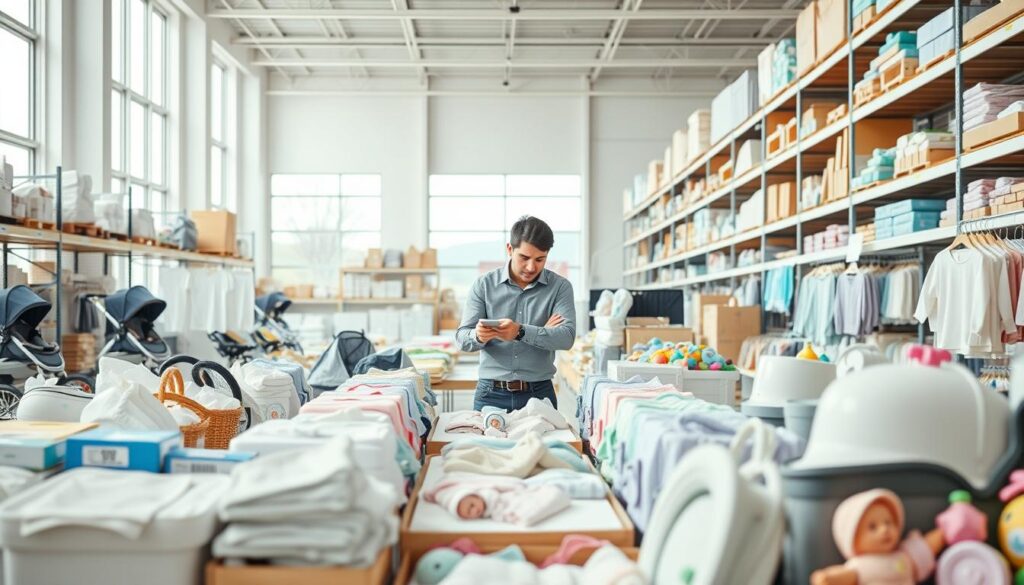
Navigating the financial landscape of European imports requires a clear understanding of duties and taxes. When you source wholesale baby gear, the price you pay your supplier is only the beginning of your total investment. You must account for various landed costs to ensure your business remains profitable and sustainable in the long run.
It is highly recommended to model your expenses before placing a large order. By using the correct Harmonized System (HS) code for your silicone products, you can determine the specific duty rates applicable in your destination country. If you need assistance with these calculations, feel free to reach out to us at ijoyren.com or contact us directly via WhatsApp for guidance.
Understanding Tariffs
Tariffs are essentially taxes imposed by the government on imported goods. These rates vary significantly based on the product category and the country of origin. You should verify the specific HS code for your wholesale baby gear to avoid unexpected charges at the border.
Remember that these costs are calculated based on the CIF value, which includes the cost of the goods, insurance, and freight. Always consult with a customs broker to confirm your estimates before finalizing your shipment. You can also send your inquiries to joan@bebecares.com for professional support regarding your import strategy.
Value Added Tax (VAT)
Import VAT is a consumption tax applied to goods entering the European Union. Unlike customs duties, this tax is often recoverable for registered businesses, which helps improve your cash flow. The rate depends on the specific member state where the goods are cleared for entry.
Managing your tax obligations correctly is crucial for compliance and long-term success. The following table outlines the typical components that make up your total landed cost when importing wholesale baby gear into Europe.
| Cost Component | Description | Impact on Budget |
|---|---|---|
| Supplier Price | Base cost of goods | Primary expense |
| Freight Charges | Shipping and logistics | Variable based on volume |
| Customs Duties | Import tariffs | Determined by HS code |
| Import VAT | Consumption tax | Recoverable for businesses |
| Brokerage Fees | Customs clearance service | Fixed administrative cost |
By carefully tracking these figures, you can maintain a competitive edge in the wholesale baby gear market. Always verify your final calculations with local authorities to ensure full compliance with regional regulations.
Shipping Options for Importing
Choosing the right shipping method is a critical step in managing your supply chain for wholesale baby gear. The logistics strategy you select will directly influence your profit margins and your ability to meet customer demand on time.
Air Freight vs. Sea Freight
When deciding between air and sea transport, you must weigh the urgency of your inventory against the total cost. Air freight is significantly faster, making it ideal for high-value items or when you need to restock quickly to avoid stockouts.
However, sea freight is the most cost-effective solution for large shipments of wholesale baby gear. While it takes longer, it allows you to move bulk quantities at a fraction of the price per unit. We recommend planning your inventory cycles well in advance to take advantage of these lower shipping rates.
Choosing a Freight Forwarder
A professional freight forwarder acts as your partner in navigating the complexities of international trade. They handle essential tasks such as coordinating pickups, consolidating shipments, and managing communication with customs officials.
When working with a forwarder, ensure they provide a comprehensive quote that breaks down all costs. You should look for transparency regarding:
- Origin charges and local handling fees.
- International freight costs.
- Destination fees and customs clearance.
- Applicable duties and VAT.
Always build schedule buffers into your planning to account for supplier lead times and potential delays. Be mindful of peak seasons and European holiday closures, which can disrupt standard transit times. For personalized guidance on managing your logistics, you can visit ijoyren.com, reach out via WhatsApp, or send an email to joan@bebecares.com. Proper preparation ensures your wholesale baby gear arrives safely and efficiently.
Best Practices for Selling Silicone Products
Mastering the art of selling requires a deep understanding of what today’s parents value most. To succeed, you must position your premium baby gear as a reliable solution that balances safety with modern aesthetics. Whether you are a startup or an established retailer, your brand identity serves as the bridge between your products and your customers.
Marketing Strategies
Choosing the right manufacturing model is the first step in your sales journey. Depending on your budget and goals, you can leverage different production paths to bring your vision to life:
- OEM (Original Equipment Manufacturer): Ideal for brands wanting to create unique designs from scratch.
- ODM (Original Design Manufacturer): A faster route using existing designs with your branding.
- Private-label baby accessories: A cost-effective way to enter the market with high-quality, pre-tested items.
Once your product line is ready, focus on building strong retail partnerships and utilizing digital channels. Personalized baby gear often performs exceptionally well on social media platforms where visual storytelling can highlight the unique features of your items. Consistent email marketing campaigns also help keep your brand top-of-mind for busy parents.
Building Brand Awareness
High-quality product photography is essential for showcasing the texture and safety of your customized baby essentials. Parents want to see the details before they buy, so invest in clear, professional images that reflect your brand’s quality. You should also provide educational content that explains the benefits of silicone, such as its heat resistance and non-toxic nature.
Transparency is key when making claims about your products. Always distinguish between functional benefits and safety certifications to build long-term trust. When you offer custom baby products, ensure that your marketing materials clearly display verified certifications to reassure parents of their purchase.
| Strategy | Focus Area | Expected Outcome |
|---|---|---|
| Content Marketing | Educational Blogs | Higher SEO Ranking |
| Social Media | User Reviews | Increased Trust |
| Email Outreach | Exclusive Offers | Customer Loyalty |
If you need guidance on sourcing or branding, our team at iJoyren is here to help. You can reach out via WhatsApp or send an email to joan@bebecares.com for personalized support. We are committed to helping you grow your business with confidence and clarity.
Potential Challenges in Importing
While sourcing from a private-label baby gear supplier offers great margins, it also introduces specific operational risks. Navigating international waters requires more than just finding a low unit cost; it demands a proactive approach to logistics and quality control.
Supply Chain Disruptions
Global trade is often subject to unpredictable delays that can halt your operations. Issues such as factory capacity limits, shifting material availability, and shipping bottlenecks are common hurdles for any brand.
To mitigate these risks, smart planning is essential. We recommend implementing dual sourcing strategies and maintaining detailed production forecasts to ensure your inventory remains stable even when one partner faces downtime.
Compliance Issues
Compliance is not a one-time task; it requires continuous monitoring to protect your brand reputation. Relying on an outdated certificate from your private-label baby gear supplier can lead to costly customs seizures or legal trouble.
Always verify that your documentation is current and perform regular third-party inspections. If you need expert guidance on maintaining these standards, you can reach out to the team at ijoyren.com, contact them via WhatsApp, or send an email to joan@bebecares.com for professional support.
| Risk Factor | Potential Impact | Mitigation Strategy |
|---|---|---|
| Production Delays | Stockouts | Strict contract deadlines |
| Material Shortage | Quality variance | Backup material sourcing |
| Expired Certs | Customs rejection | Continuous compliance audits |
| Communication Gaps | Order errors | Regular video check-ins |
Conclusion and Next Steps
Success in the European market requires careful planning and strict adherence to safety protocols. You must verify product requirements, calculate landed costs, and approve samples before your launch. Keeping complete technical and testing records protects your brand during every stage of the process.
Working with a trusted private-label baby gear supplier simplifies these complex steps. You can create unique custom baby products that stand out in a competitive landscape. Focus on quality control to build long-term trust with your customers.
Essential Resources for Importers
Accessing the right tools makes your journey smoother. Utilize official supplier directories, customs authority portals, and accredited testing laboratories to ensure full compliance. These resources provide the data needed to navigate Private-Label Baby-Gear regulations with confidence.
Professional Support and Guidance
Your path to building a successful brand starts with expert advice. Visit https://ijoyren.com/ to explore options for your Private-Label Baby-Gear line. You can reach out via WhatsApp at https://wa.link/b88mcs for immediate support. Send your specific sourcing questions to joan@bebecares.com to discuss your custom baby products today.