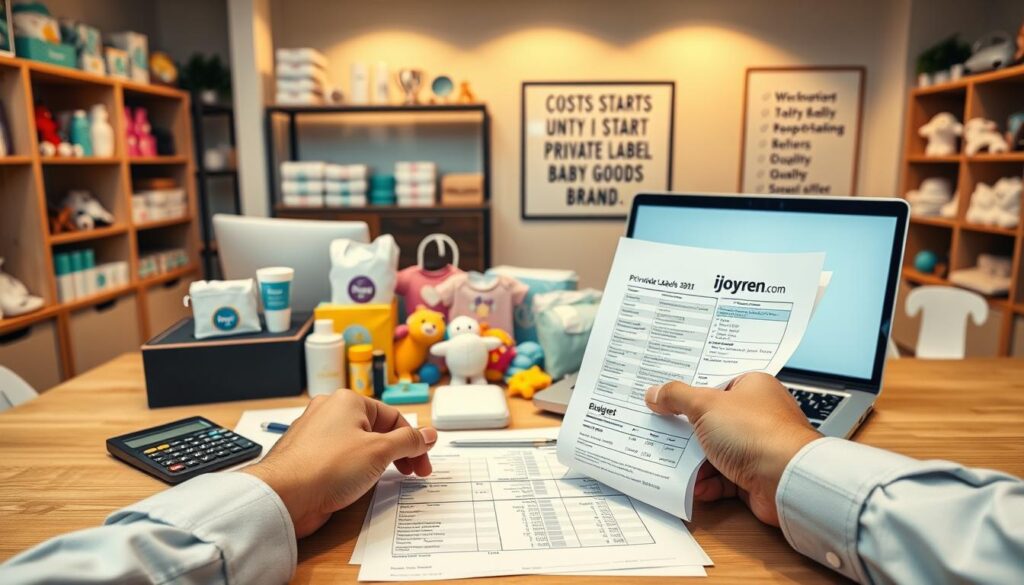
Launching a new business in the infant industry is an exciting journey. Many entrepreneurs dream of creating unique items that parents trust and love. Understanding the financial requirements is the first step toward success.
You will manage product design and marketing while specialized manufacturers handle production. Smart planning helps cover essential expenses like legal compliance, inventory, and website development. These investments ensure high quality for every family you serve.
If you need expert guidance, visit ijoyren.com for professional support. You can also reach out via WhatsApp or email joan@bebecares.com for personalized advice. We are here to help you navigate this path with confidence.
Key Takeaways
- Define clear product specifications and packaging designs early.
- Budget for manufacturing, shipping, and legal compliance requirements.
- Invest in a professional website to build customer trust.
- Utilize expert partners to streamline the production process.
- Reach out to industry specialists for ongoing operational support.
Understanding Private-Label Baby-Goods
Entering the industry requires a clear grasp of how your business model influences your baby goods brand startup costs. Many new entrepreneurs confuse private-labeling with white-labeling, but the distinction is vital for long-term success.
What is Private-Labeling?
Private-labeling involves partnering with a manufacturer to create unique products that are sold exclusively under your brand name. Unlike white-labeling, where you simply rebrand generic items available to everyone, private-labeling allows you to customize materials, designs, and packaging.
As a brand owner, you maintain full control over the product positioning and pricing strategy. This level of oversight ensures that your items stand out in a crowded marketplace. If you need guidance on sourcing or manufacturing, you can reach out to experts at ijoyren.com or contact us via WhatsApp for direct support.
Benefits of Private-Label Baby-Goods
Choosing this path offers several strategic advantages that can help justify your initial baby goods brand startup costs. By owning the design and branding, you build long-term equity that generic products cannot provide.
- Exclusivity: You offer products that customers cannot find anywhere else.
- Higher Margins: Controlling the supply chain often leads to better profit potential.
- Brand Loyalty: Unique, high-quality goods encourage repeat purchases from parents.
For specific inquiries regarding your business plan, feel free to email joan@bebecares.com. We are here to help you navigate the complexities of the infant product industry.
Market Trends in 2023
The demand for store-brand and private-label products has reached new heights in the United States. With store-brand sales hitting $282.8 billion in 2025, the market shows that consumers are increasingly comfortable choosing private labels over legacy brands.
This shift is driven by a desire for quality at a fair price point. Understanding these trends is essential when calculating your baby goods brand startup costs, as it helps you align your inventory with current consumer expectations. By focusing on quality and unique branding, you can capture a significant share of this growing market.
Initial Cost Estimates
Managing private-label baby products expenses is the first step toward building a successful business. Launching a brand in this sector typically requires an initial investment ranging from €1,000 to €15,000. This budget framework covers everything from initial research to the final product launch.
Product Development Expenses
Product development is where your vision begins to take shape. You must account for costs related to market research, defining product specifications, and ordering essential samples. Heavily customized items generally require more development capital than standard, off-the-shelf products.
Always verify which design services your manufacturer already includes to save on your budget. If you need assistance with your product line, you can reach out to us at ijoyren.com for guidance.
Branding and Design Costs
Your brand identity is what sets you apart in a crowded marketplace. You should allocate funds for professional logo creation and visual design assets. These private-label baby products expenses are vital for establishing trust with parents who prioritize quality and safety.
Do not overlook the importance of a cohesive look across all your marketing materials. Investing in high-quality design early on prevents the need for costly rebrands later. For specific inquiries, feel free to contact us via WhatsApp.
Packaging and Labeling Considerations
Packaging is more than just a container; it is a critical touchpoint for your customers. You must budget for custom labeling, unique packaging designs, and the purchase of official barcodes. Each of these elements represents a separate line-item expense that can impact your total startup costs.
Carefully consider your material choices to ensure they meet safety standards while remaining cost-effective. If you have questions about sourcing or labeling requirements, please send an email to joan@bebecares.com. Proper planning ensures your private-label baby products expenses remain within your target range.
Manufacturing Costs
Navigating the complexities of production is a critical step in managing your starting a baby brand budget effectively. This phase transforms your initial designs into the high-quality goods your customers expect. Balancing material costs, labor, and factory overhead requires careful planning to ensure long-term profitability.
Finding Reliable Manufacturers
You should always aim to compare three to five different manufacturers before making a final commitment. During your vetting process, prioritize checking their lead times, payment terms, and official certifications. It is also vital to request references and review their specific defect policies to protect your investment.
If you need expert guidance in sourcing, you can visit ijoyren.com or reach out via WhatsApp at https://wa.link/b88mcs. For personalized inquiries, feel free to email joan@bebecares.com to discuss your specific production needs.
Production Run Sizes and Pricing
Most factories require a Minimum Order Quantity (MOQ) because they must adjust their machinery and production lines for your specific items. These setup costs are often fixed, meaning smaller batches can lead to higher per-unit prices. Understanding these thresholds is essential when you are starting a baby brand budget to avoid unexpected cash flow issues.
- Machinery Calibration: Specialized equipment needs time to reset for custom designs.
- Labor Allocation: Skilled workers require consistent hours to maintain production efficiency.
- Material Sourcing: Bulk purchasing of fabrics often yields better pricing tiers.
Quality Assurance Expenses
Never overlook the importance of rigorous inspections when dealing with infant products. We recommend reserving 1% to 3% of your total production value specifically for quality assurance, particularly for baby apparel. This proactive approach helps you catch defects early, saving you from costly returns and protecting your brand reputation.
Investing in third-party inspections ensures that your goods meet all safety standards before they leave the factory floor. By allocating these funds within your starting a baby brand budget, you build a foundation of trust with parents who prioritize safety above all else.
Shipping and Logistics

Once your manufacturing is complete, the real journey of your baby-goods brand begins with shipping and logistics. Many new business owners focus heavily on production, but the path from the factory to your customer is where many budgets face unexpected pressure. Knowing how much does it cost to launch a private-label baby line requires a deep look at the entire supply chain.
Understanding Shipping Costs
Shipping is rarely a flat fee. You must distinguish between factory pricing and the final landed cost of your goods. FOB (Free On Board) arrangements mean the manufacturer covers costs until the goods reach the port, but you are responsible for everything thereafter.
Freight, port fees, and inland transportation can quickly add up. In many cases, shipping and handling can approach 30% of the total product price. You should always account for these variables to ensure your retail pricing remains competitive.
Warehousing Options
Deciding where to store your inventory is a critical step in your operational strategy. You can choose between managing your own space or outsourcing to a professional fulfillment center.
- Self-Storage: Lower initial costs but requires significant time for packing and shipping.
- Third-Party Logistics (3PL): Higher monthly fees but offers scalable storage and automated shipping.
- Hybrid Models: Using a mix of local storage for fast-moving items and 3PL for bulk inventory.
Import Duties and Taxes
When sourcing overseas, you must factor in customs duties, import taxes, and insurance. These costs vary based on the product category and the country of origin. Failing to calculate these accurately is a common reason why entrepreneurs struggle to determine how much does it cost to launch a private-label baby line effectively.
| Expense Category | Estimated Impact | Payment Timing |
|---|---|---|
| International Freight | High | Pre-Arrival |
| Customs Duties | Medium | At Port |
| Last-Mile Delivery | Variable | Post-Sale |
If you need expert guidance on navigating these logistics, feel free to visit ijoyren.com for resources. You can also reach out via WhatsApp or send an email to joan@bebecares.com for personalized support. Proper planning ensures your brand stays profitable while delivering quality goods to parents.
Marketing and Promotion
Calculating your infant products brand launch cost requires a clear understanding of how much you should invest to gain market traction. Most experts suggest allocating between 7% and 10% of your projected revenue toward marketing efforts. This budget helps you balance the need for rapid growth with the reality of your available creative assets.
It is important to remember that small brands face stiff competition, making your promotional strategy vital. Whether you are working with our team at ijoyren.com or managing campaigns internally, consistency is key. If you have questions about your specific launch, feel free to reach out via WhatsApp or email us at joan@bebecares.com.
Digital Marketing Strategies
Digital channels offer the most measurable return on investment for new businesses. You should prioritize Search Engine Optimization (SEO) to ensure parents find your products when searching for solutions. Combining this with targeted email marketing and social media ads creates a robust funnel for your infant products brand launch cost.
Influencer Collaborations
Partnering with trusted voices in the parenting space can accelerate your brand’s credibility. Influencers provide social proof that traditional ads often lack. By sending samples to micro-influencers, you can generate authentic content that resonates deeply with your target audience.
Traditional Advertising Costs
While digital is dominant, traditional advertising like local events or print media can still play a role depending on your niche. These channels often require a higher upfront investment but can build strong community ties. Always weigh these costs against your total infant products brand launch cost to ensure you remain profitable.
| Marketing Channel | Monthly Estimate | Primary Goal |
|---|---|---|
| Social Media Ads | $500 – $1,500 | Brand Awareness |
| Influencer Outreach | $300 – $1,000 | Trust Building |
| Content & SEO | $200 – $600 | Organic Traffic |
| Email Marketing | $100 – $300 | Customer Retention |
Website Development

Establishing a professional online presence is essential for any modern baby merchandise brand. Your website acts as the primary interface where parents discover your products and complete their purchases. Managing these baby merchandise brand start-up expenses effectively ensures you have enough capital for other critical business areas.
Cost of E-Commerce Platforms
Choosing the right platform depends on your budget and technical needs. A lean store setup using platforms like Shopify or WooCommerce can cost as little as €10 to €30 per month. These options are perfect for beginners who want to launch quickly without heavy coding.
Conversely, custom-built websites offer unique features but come with a higher price tag. These complex builds can range from €6,000 to over €100,000 depending on the required functionality.
Hosting and Domain Fees
Every website requires a domain name and a reliable hosting plan to stay live. While some platforms include hosting in their monthly fee, self-hosted solutions require separate payments.
- Domain Registration: Usually costs between €10 and €20 per year.
- Hosting Plans: Basic shared hosting starts at €5 monthly, while dedicated servers for high traffic can exceed €200.
- SSL Certificates: Essential for secure checkouts, often included with modern platforms.
Design and User Experience
Your website must build trust with parents who prioritize safety and quality.High-quality photographyand clear product descriptions are non-negotiable for converting visitors into loyal customers.
| Feature | Importance | Budget Impact |
|---|---|---|
| Mobile Responsiveness | High | Low (via themes) |
| Custom UX Design | Medium | High |
| Trust-Building Elements | High | Medium |
A successful site must feature a safe checkout process and easy navigation. If you need guidance on setting up your store, you can visit ijoyren.com for inspiration. For direct support regarding your baby merchandise brand start-up expenses, feel free to reach out via WhatsApp or email joan@bebecares.com.Prioritizing user experiencewill ultimately lead to higher sales and better brand recognition.
Legal Considerations
When you are establishing a baby label price point, it is vital to account for the necessary legal and safety investments from the very beginning. Skipping these steps can lead to costly fines or even the forced recall of your products. By budgeting for these requirements early, you protect your brand’s reputation and ensure long-term viability.
Trademark and Branding Expenses
Securing your brand identity is the first step in building a professional business. You should conduct a thorough trademark search to ensure your chosen name is available for use in the United States. Protecting your intellectual property prevents future disputes and adds significant value to your company.
Beyond the search, filing for federal trademark registration provides nationwide protection. While these costs vary, they are essential for maintaining exclusive rights to your brand. Investing here helps you justify your pricing strategy by establishing a premium, protected identity in the marketplace.
Compliance and Safety Standards
Safety is non-negotiable when selling products for infants and toddlers. In the United States, the Consumer Product Safety Commission (CPSC) enforces strict regulations for baby apparel and gear. You must budget for third-party laboratory testing, which typically ranges from $200 to $600 per style.
Accurate labeling is also a legal requirement that must be factored into your production costs. Every item must meet specific criteria regarding fiber content, country of origin, and care instructions. Failing to meet these standards can result in significant financial penalties.
Insurance Costs
Product liability insurance is a critical safety net for any baby-goods entrepreneur. This coverage protects your business if a product is alleged to have caused harm or injury. Establishing a baby label price point that includes these premiums ensures your business remains sustainable even if unexpected claims arise.
| Legal/Safety Category | Estimated Cost Range | Frequency |
|---|---|---|
| Trademark Search | $300 – $800 | One-time |
| CPSC Safety Testing | $200 – $600 | Per Style |
| Liability Insurance | $500 – $2,000 | Annual |
| Legal Consultation | $150 – $400 | Hourly |
Always consult with qualified legal and compliance professionals to ensure your specific products meet all federal and state requirements. For personalized guidance on your journey, you can reach out to Joan at Bebecares via email at joan@bebecares.com or connect through WhatsApp. You can also visit ijoyren.com for additional resources on establishing a baby label price point that supports responsible growth.
Inventory Management
Smart inventory management is the secret to keeping your newborn brand initial investment profitable from day one. By carefully planning your stock levels, you can protect your cash flow while you validate market demand for your products.
Initial Inventory Costs
Your newborn brand initial investment is heavily influenced by your SKU count, colorways, and size ranges. While ordering larger quantities often lowers your unit cost, it also increases the financial risk of holding unsold inventory.
We recommend starting with a focused product range to keep costs manageable. This approach allows you to test what your customers love before committing to larger production runs.
Ongoing Inventory Management Expenses
Once your products arrive, you must account for storage fees, stock tracking software, and replenishment cycles. Efficient tracking ensures you never run out of popular items, which helps maintain steady revenue growth.
If you need guidance on scaling your stock, feel free to visit ijoyren.com or reach out via WhatsApp. You can also email joan@bebecares.com for personalized advice on managing your supply chain.
Handling Returns and Exchanges
A professional policy for returns and exchanges is vital for building trust with parents. You should always set aside a small budget for damaged-goods allowances to ensure your brand reputation remains spotless.
| Strategy | Financial Risk | Unit Cost | Flexibility |
|---|---|---|---|
| Small Batch | Low | Higher | High |
| Bulk Order | High | Lower | Low |
| Just-in-Time | Medium | Moderate | Medium |
Careful planning of your newborn brand initial investment will provide the stability needed to grow your business. Always prioritize quality and customer satisfaction to ensure long-term success in the competitive baby-goods market.
Customer Service
Providing exceptional care for your customers is the heartbeat of a successful baby brand. When parents choose your products, they are looking for reliability and peace of mind. Establishing a strong foundation for your private-label baby-goods customer support ensures that every family feels heard and valued.
Setting Up Support Systems
To manage your baby brand customer service costs effectively, you should start with a multi-channel approach. Integrating email support via joan@bebecares.com allows for detailed documentation of inquiries. You can also offer real-time assistance through platforms like ijoyren.com or provide instant messaging options via WhatsApp.
Using help-desk software helps organize these interactions in one place. This prevents messages from slipping through the cracks and keeps your response times consistent. Clear communication regarding shipping, sizing, and safety materials often reduces the volume of repetitive questions you receive.
Training Staff for Customer Interactions
Your team represents the face of your company. Training should focus on empathetic responses, especially when parents have concerns about product safety or usage. It is vital that staff members maintain a consistent brand voice across all platforms.
Staff must also be well-versed in escalation procedures for sensitive issues. When a team member handles a concern with care, it builds long-term loyalty. Investing in quality training is a key component of your overall baby brand customer service costs.
Tools and Technologies for Support
Modern technology makes it easier to streamline your operations. Implementing automated order tracking systems allows customers to check their delivery status without needing to contact you directly. This saves time for both your team and the customer.
Furthermore, you should view support inquiries and return data as valuable feedback. By analyzing why items are returned, you can improve your packaging or product descriptions. Utilizing these insights helps refine your private-label baby-goods customer support strategy, ensuring your brand continues to grow and meet the needs of modern parents.
Long-Term Financial Planning
Building a successful business requires a clear vision that connects your initial startup costs with your future goals. Effective private-label baby brand financial planning helps you navigate the complexities of manufacturing and logistics while keeping your eyes on the bottom line.
Projecting Future Costs
You must track your landed costs and gross margins to ensure your business remains healthy. Monitoring your return rates and marketing efficiency provides the data needed to make smart adjustments. This disciplined approach is the foundation for long-term baby product profitability in a competitive market.
Balancing Expenses and Revenues
Managing cash reserves allows you to scale your product range with confidence. You should focus on reorder timing to avoid stockouts while maintaining a lean inventory. If you need expert advice while refining your launch plan, visit ijoyren.com for more resources.
You can reach out via WhatsApp at https://wa.link/b88mcs to discuss your specific needs. Feel free to send an email to joan@bebecares.com to start a conversation about your brand journey. Your commitment to careful planning will set your business apart in the baby goods industry.
FAQ
What are the primary Costs to Start Your Private‑Label Baby-Goods Brand?
How much does it cost to launch a private-label baby line on average?
FAQ
What are the primary Costs to Start Your Private‑Label Baby-Goods Brand?
The main baby goods brand startup costs include product development (samples and design), manufacturing (MOQs), shipping and logistics, marketing, website setup, and essential legal compliance testing.
How much does it cost to launch a private-label baby line on average?
A typical infant products brand launch cost ranges from
FAQ
What are the primary Costs to Start Your Private‑Label Baby-Goods Brand?
The main baby goods brand startup costs include product development (samples and design), manufacturing (MOQs), shipping and logistics, marketing, website setup, and essential legal compliance testing.
How much does it cost to launch a private-label baby line on average?
A typical infant products brand launch cost ranges from $1,100 to $16,500 (€1,000 to €15,000). This varies significantly based on whether you are launching a single simple item or a complex, multi-SKU collection.
What factors influence the private-label baby products expenses during manufacturing?
Expenses are primarily driven by Minimum Order Quantities (MOQs), material choices (like organic vs. standard cotton), and the inclusion of Quality Assurance (QA) inspections, which usually add 1-3% to production costs.
Why is establishing a baby label price point so important for new brands?
Your price point must cover your landed costs—which include manufacturing, shipping (often 30% of product price), and duties—while also accounting for marketing and safety testing to ensure a healthy profit margin.
What should I include in my starting a baby brand budget for marketing?
Most experts recommend a starting a baby brand budget for marketing that is 7% to 10% of your projected revenue, covering social media ads, influencer partnerships, and SEO efforts.
Are there specific baby merchandise brand start-up expenses for legal compliance?
Yes, in the US, you must budget for CPSC-required safety testing, which can cost $200 to $600 per style, as well as trademark registration and product liability insurance.
How does the newborn brand initial investment change based on inventory?
Your newborn brand initial investment will increase with more SKUs, colorways, and sizes. To protect cash flow, many new brands start with a limited range of high-demand “hero” products before expanding.
,100 to ,500 (€1,000 to €15,000). This varies significantly based on whether you are launching a single simple item or a complex, multi-SKU collection.
What factors influence the private-label baby products expenses during manufacturing?
Expenses are primarily driven by Minimum Order Quantities (MOQs), material choices (like organic vs. standard cotton), and the inclusion of Quality Assurance (QA) inspections, which usually add 1-3% to production costs.
Why is establishing a baby label price point so important for new brands?
Your price point must cover your landed costs—which include manufacturing, shipping (often 30% of product price), and duties—while also accounting for marketing and safety testing to ensure a healthy profit margin.
What should I include in my starting a baby brand budget for marketing?
Most experts recommend a starting a baby brand budget for marketing that is 7% to 10% of your projected revenue, covering social media ads, influencer partnerships, and SEO efforts.
Are there specific baby merchandise brand start-up expenses for legal compliance?
Yes, in the US, you must budget for CPSC-required safety testing, which can cost 0 to 0 per style, as well as trademark registration and product liability insurance.
How does the newborn brand initial investment change based on inventory?
Your newborn brand initial investment will increase with more SKUs, colorways, and sizes. To protect cash flow, many new brands start with a limited range of high-demand “hero” products before expanding.