The global market for infant essentials reached a staggering USD 320.65 billion in 2023. Modern parents increasingly prioritize safety, sustainability, and smart design when choosing items for their little ones.
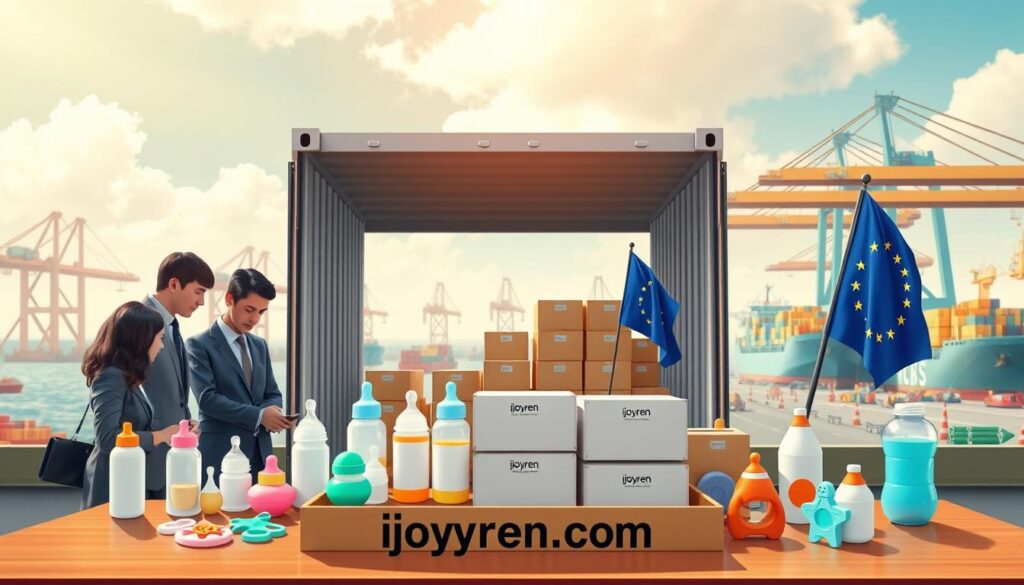
Successfully navigating the logistics of Importing Silicone Baby Products To Europe requires careful planning. You must master material certifications, strict quality inspections, and precise customs documentation to thrive in this competitive landscape.
Understanding landed-cost calculations and compliant labeling is essential for long-term growth. If you need expert guidance on sourcing or regulatory compliance, IJOYREN is here to help. You can explore their catalog at ijoyren.com, reach out via WhatsApp, or send inquiries to joan@bebecares.com.
Key Takeaways
- The infant goods market is currently valued at over USD 320 billion.
- Safety and sustainability are the top priorities for modern parents.
- Regulatory compliance and material certification are non-negotiable for market entry.
- Accurate cost calculations prevent unexpected financial hurdles during shipping.
- Professional sourcing partners like IJOYREN simplify the supply chain process.
Understanding Silicone Baby Products
If you are planning to launch a line of Private-Label Baby-Gear, knowing the ins and outs of silicone is your first step toward success. This versatile material has transformed the industry by offering a safer, more resilient alternative to traditional plastics. Whether you are looking to source items for your brand or expand your current catalog, understanding the technical side of these goods is vital.
What Are Silicone Baby Products?
At its core, silicone baby products encompass a wide range of items designed for infants and toddlers. These include feeding accessories like spoons and bowls, soothing teethers, and various educational toys. Many of these items are categorized as food-contact goods, meaning they must meet strict safety regulations to ensure they do not leach harmful chemicals into a child’s mouth.
It is important to note that the term “silicone” alone does not guarantee safety. The quality of your inventory depends on the specific formulation, manufacturing controls, and the intended use of the item. For instance, a teether must pass different mechanical tests compared to a silicone bowl, often involving EN71 standards for toys or FDA and LFGB requirements for food-contact safety.
Benefits of Using Silicone for Babies
Parents and retailers alike favor food-grade silicone because of its unique physical properties. It is incredibly soft, which makes it gentle on a baby’s sensitive gums, yet it remains durable enough to withstand daily wear and tear. Furthermore, its high heat resistance allows for easy sterilization in boiling water or dishwashers, ensuring hygiene is never a concern.
When you curate your collection of silicone baby accessories, you are offering products that are non-toxic, hypoallergenic, and free from BPA or phthalates. These features are highly marketable and help build long-term trust with your customers. If you need guidance on sourcing high-quality, compliant materials, you can reach out to experts at ijoyren.com, contact them via WhatsApp, or send an inquiry to joan@bebecares.com.
| Feature | Silicone | Plastic | Rubber |
|---|---|---|---|
| Heat Resistance | Excellent | Low to Moderate | Moderate |
| Durability | High | Moderate | Low |
| Safety Profile | Non-toxic/BPA Free | Variable | Potential Allergens |
| Cleaning | Dishwasher Safe | Hand Wash Only | Hand Wash Only |
European Regulations for Baby Products
Navigating the complex landscape of European baby product regulations is essential for any business owner looking to expand their reach. Whether you are a distributor or a baby gear manufacturer, understanding your specific legal obligations is the first step toward a successful launch. These rules ensure that every item reaching a child is safe, durable, and free from harmful substances.
Safety Standards to Consider
Before you begin importing, you must determine which regulatory category your product falls under. A professional baby gear manufacturer will assess whether an item is classified as a toy, a food-contact product, or general childcare equipment. Each category carries distinct testing requirements that you cannot ignore.
For many products, EN71 certification serves as the gold standard for safety. This framework is broken down into several parts to address specific risks:
- EN71-1: Focuses on physical and mechanical properties to prevent choking or sharp-edge hazards.
- EN71-2: Evaluates flammability to ensure materials do not ignite easily.
- EN71-3: Covers the migration of certain elements, ensuring that chemicals do not leach into a baby’s system.
CE Marking and Compliance
The CE marking is a mandatory declaration that your product meets all relevant EU health, safety, and environmental protection requirements. It is important to remember that this mark is not a substitute for actual laboratory testing. Instead, it is the final step supported by a robust file of documented conformity procedures.
You must maintain a technical file that includes your test reports and risk assessments. Relying on a certificate without having the underlying lab evidence is a common mistake that can lead to customs seizures or product recalls. Always ensure your supply chain is transparent and verified.
If you need guidance on meeting these rigorous standards, feel free to reach out for expert support. You can visit ijoyren.com, contact us via WhatsApp, or send an email to joan@bebecares.com for more information on achieving EN71 certification and proper CE marking compliance.
Finding the Right Suppliers
Finding the right manufacturing partner is the most critical step in your journey to launching a successful baby brand. Whether you are looking for customizable baby products or standard designs, the quality of your partner dictates your market reputation. Before you begin, it is helpful to review the latest trends in baby kids product sourcing 2025 to align your strategy with current industry standards.
How to Source Reliable Manufacturers
When searching for silicone baby product suppliers, you must consider the unique manufacturing strengths of different regions. Each location offers distinct advantages depending on your production volume and design complexity.
| Region | Primary Strength | Best For |
|---|---|---|
| China | Massive production scale | High-volume orders |
| Vietnam | Textile and material expertise | Specialized components |
| Portugal | Boutique manufacturing | Low-MOQ, premium goods |
Evaluating Supplier Credibility
Once you have a shortlist, you must verify their capabilities to ensure they can handle OEM baby products effectively. Never skip the due diligence phase, as it protects your investment and ensures safety compliance.
You should request the following documentation and evidence before finalizing any agreements for ODM baby products:
- Valid business licenses and factory certifications.
- Recent third-party audit reports.
- Safety test reports for materials used.
- High-resolution factory photographs and video tours.
- Physical production samples for quality assessment.
Communication speed is also a vital indicator of a professional partner. If you need expert guidance on product development or wish to discuss your specific requirements, please reach out to the team at IJOYREN. You can also contact them directly via email at joan@bebecares.com or through their WhatsApp channel for immediate support.
Shipping Considerations for Silicone Products
Successfully managing the logistics of private-label baby items is a vital component of your business growth. Choosing the right transportation strategy ensures that your inventory arrives on time while keeping your overhead costs manageable.
Choosing the Right Shipping Method
When planning your silicone product shipping, you must balance speed against your budget. Express delivery is typically the fastest option, usually taking 3–7 days, which is ideal for urgent restocks or small samples. Air freight offers a middle ground with a 5–10-day window, providing a reliable balance for mid-sized shipments.
For larger inventory orders, sea freight is the most cost-effective solution. While it requires a longer lead time of 25–40 days, it significantly reduces the per-unit shipping cost. Proper inventory planning is essential to account for these transit times and avoid stockouts.
| Method | Typical Timeline | Best For |
|---|---|---|
| Express | 3–7 Days | Samples/Urgent Needs |
| Air Freight | 5–10 Days | Mid-sized Shipments |
| Sea Freight | 25–40 Days | Bulk Inventory |
Understanding Import Duties and Taxes
Calculating your total landed cost involves more than just the price of the goods. You must account for product weight, carton dimensions, and volumetric weight, as these factors directly influence your freight quotes. Additionally, port charges, inland transportation, and import duties play a major role in your final pricing strategy.
We recommend confirming the applicable tariff classification for your specific items before production begins. Obtaining a destination-specific freight quotation early in the process will help you maintain healthy margins. For personalized guidance on logistics or sourcing, you can visit ijoyren.com, reach out via WhatsApp, or send an email to joan@bebecares.com.
Documentation Required for Importing
Proper documentation is the backbone of a successful import process for your business. When you deal with wholesale baby gear, accuracy is not just a suggestion; it is a legal requirement. Ensuring that every form is filled out correctly helps you avoid costly delays at the border.
Essential Paperwork for Compliance
To move your goods smoothly, you must prepare a comprehensive set of documents. The commercial invoice serves as the primary record of the transaction, detailing the value and nature of the items. You must also provide a detailed packing list that specifies the exact contents of every carton.
Consistency is vital across all your paperwork. Your product descriptions, quantities, and total values must match perfectly on every document. If these details differ, customs officials may flag your shipment for inspection, leading to unnecessary storage charges or even seizures.
| Document Name | Primary Purpose | Key Detail Required |
|---|---|---|
| Commercial Invoice | Proof of Sale | Total Transaction Value |
| Packing List | Inventory Check | Weight and Dimensions |
| Bill of Lading | Shipping Contract | Carrier Information |
| Test Reports | Safety Compliance | Certification Standards |
Navigating Customs Regulations
Successful customs clearance depends on your ability to classify your products correctly. Every item must be assigned the correct HS code, which determines the duty rates and specific import procedures for your goods. Using the wrong code can result in significant fines or legal complications.
Working with a professional customs broker is often the best strategy for new importers. These experts help verify that your documentation meets all destination-country requirements before the shipment arrives. They can also guide you through complex regulations to ensure your business remains compliant.
If you need expert guidance on managing your imports, feel free to reach out to the team at ijoyren.com. You can also contact us directly via WhatsApp or send an email to joan@bebecares.com for personalized support. Staying organized today prevents major headaches tomorrow.
Quality Control Measures
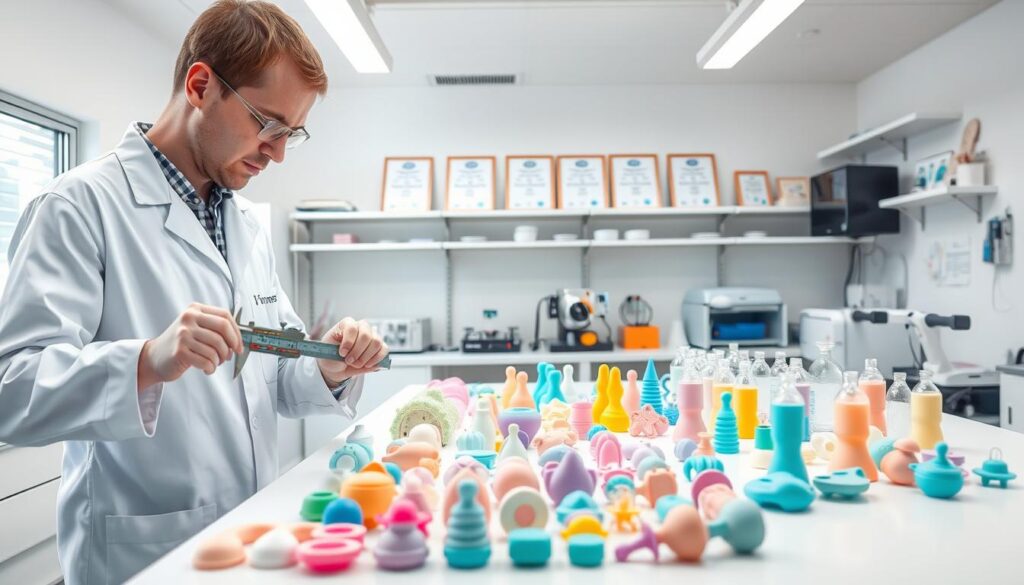
When you import silicone goods, rigorous silicone quality control is the backbone of your brand’s reputation. Establishing a clear protocol ensures that every item meets the high expectations of parents and regulatory bodies alike. By prioritizing these measures, you protect your business from costly recalls and build long-term trust with your customers.
Inspecting Products Before Shipment
A comprehensive product inspection strategy is essential for maintaining consistency across your inventory. You should always start by approving a golden sample before mass production begins. This sample serves as the benchmark for all future shipments, allowing you to verify dimensions, color consistency, and material hardness.
During the production phase, conduct regular checks to ensure that the factory adheres to your specifications. Before the goods leave the facility, a final pre-shipment inspection is vital. You should focus on the following key areas:
- Visual Checks: Inspect for surface defects, mold marks, or discoloration.
- Functional Performance: Test the item to ensure it performs as intended for custom baby gear.
- Packaging Condition: Verify that all protective materials are intact and labeled correctly.
- Odor Assessment: Ensure the silicone is food-grade and free from chemical smells.
Testing Requirements in Europe
Navigating the European market requires strict adherence to safety standards through third-party testing. Because baby products are subject to intense scrutiny, you must ensure your items comply with EU regulations regarding chemical migration and physical safety. It is highly recommended to work with accredited laboratories to verify your products.
The following table outlines the critical assessments required for most silicone baby items:
| Test Category | Focus Area | Safety Goal |
|---|---|---|
| Chemical | Heavy Metals | Toxicity Prevention |
| Physical | Small Parts | Choking Hazard |
| Thermal | Heat Stability | Boiling/Sterilization |
Always retain detailed inspection records and laboratory reports for your files. These documents are necessary for retailer reviews and regulatory audits. If you need guidance on setting up these protocols, feel free to reach out to Joan at ijoyren.com or contact via WhatsApp. You can also send inquiries to joan@bebecares.com to ensure your third-party testing and product inspection processes are fully optimized for the European market.
Packaging and Labeling Guidelines
Proper packaging is more than just a box; it is your first line of defense for your brand and your products. When you are importing personalized baby accessories, the way you present your items determines both their safety and their retail appeal.
Importance of Proper Packaging
High-quality compliant baby packaging serves several vital functions during the long journey from the factory to the European shelf. It protects delicate items from physical damage, moisture, and environmental hazards during transit.
You should always test your retail boxes and master cartons for durability. Essential tests include checking for compression strength, abrasion resistance, and moisture exposure to ensure your goods arrive in pristine condition.
“Good packaging is the silent ambassador of your brand, protecting your promise to the customer while ensuring safety at every step of the journey.”
Required Information on Labels
Clear and accurate baby product labels are mandatory for meeting European safety standards. Before you begin mass production, ensure your artwork aligns with local language requirements and specific safety regulations.
Your labels must include the following critical details to remain fully compliant:
- Product name and clear material descriptions.
- Specific care instructions and age guidance.
- Necessary safety warnings and conformity marks.
- Full importer information and batch tracking details.
- The country of origin clearly stated for customs transparency.
If you need assistance with your packaging design or compliance strategy, feel free to reach out to our team at ijoyren.com. You can also contact us via WhatsApp or send an email to joan@bebecares.com for expert guidance on your next shipment.
Marketing Silicone Baby Products in Europe
Effective infant products branding is the key to standing out in a competitive European landscape. When you enter this region, you must move beyond basic features to highlight the unique value of your silicone items. European parents prioritize safety, durability, and environmental responsibility above all else.
Understanding the European Market
The European baby product market is highly sophisticated and values transparency. Parents are actively seeking eco-friendly baby products that are free from harmful chemicals. They often prefer gender-neutral aesthetics and practical designs that simplify daily feeding routines.
There is also a growing trend toward Montessori-inspired toys and tools that encourage independent development. To succeed, your brand must align with these values by providing clear product education. You should always support your claims with verified laboratory reports and detailed manufacturing information.
Strategies for Reaching Your Target Audience
Connecting with your audience requires a mix of digital presence and physical retail engagement. You can promote your sustainable baby gear through localized product pages that speak directly to the needs of local families. Partnering with trusted creators can also help build the social proof necessary to gain consumer confidence.
Retailer outreach remains a vital strategy for long-term growth in the region. By maintaining a transparent supply chain, you demonstrate that your brand is reliable and ethical. If you need assistance with your market entry strategy, you can visit ijoyren.com, reach out via WhatsApp, or email joan@bebecares.com for professional guidance.
| Marketing Channel | Primary Benefit | Target Audience |
|---|---|---|
| Social Media Education | Builds brand trust | Modern parents |
| Retailer Outreach | Increases physical reach | Local boutiques |
| Creator Partnerships | Boosts authentic engagement | Niche communities |
| Localized Web Pages | Improves search visibility | Regional shoppers |
Building Relationships with Distributors

Expanding your reach into Europe requires more than just great products; it demands a network of reliable distributors. When you align with the right partners, you gain immediate access to established retail channels and local market expertise. This foundation is essential for scaling your brand effectively across diverse regions.
Finding Trusted Distributors
Identifying high-quality baby gear suppliers and distributors involves looking beyond simple sales figures. You should prioritize partners who possess deep category knowledge and a clear understanding of European safety regulations. A distributor with a strong retail network can help your brand gain traction much faster than going it alone.
When evaluating potential partners, consider the following criteria to ensure they meet your business standards:
- Territory Coverage: Do they have a strong presence in your target countries?
- Warehouse Capacity: Can they handle your inventory volume without delays?
- Regulatory Awareness: Are they well-versed in local compliance and documentation?
- Sales Channels: Do they have existing relationships with major retailers or e-commerce platforms?
Tips for Successful Partnerships
Building long-term distributor partnerships requires transparency and clear communication from the very beginning. You should establish formal agreements that cover critical areas like quality standards, warranty handling, and dispute resolution. These documents protect your intellectual property while setting clear expectations for both parties.
Direct factory relationships often provide a competitive edge in the B2B baby products sector. By working closely with manufacturers, you can improve packaging efficiency, consolidate orders, and ensure pricing transparency. If you need guidance on sourcing or managing these connections, feel free to reach out for professional support:
- Visit our website at ijoyren.com for more resources.
- Connect with us on WhatsApp for quick inquiries.
- Send your specific questions to joan@bebecares.com.
Ultimately, success in the European market is a team effort. By focusing on mutual growth and operational excellence, you can build a resilient supply chain that serves parents and babies across the continent.
Pricing Strategies for Imported Products
Calculating the true landed cost of your inventory is the first step toward achieving sustainable profit margins. Many new importers focus only on the unit price, but this often leads to unexpected financial gaps. To succeed, you must account for every expense from the factory floor to the final customer’s doorstep.
How to Set Competitive Prices
When you import white-label baby gear, your pricing model must be comprehensive. You should build a spreadsheet that tracks every variable cost to ensure your business remains profitable even when unexpected issues arise.
Consider these essential factors when calculating your total investment:
- Production and Tooling: Initial setup costs for custom molds or branding.
- Logistics: Freight, insurance, and warehousing fees for different shipping modes.
- Compliance: Costs for mandatory safety inspections and certifications.
- Operational Overhead: Marketplace fees, returns processing, and marketing budgets.
It is wise to model multiple scenarios for sea, air, and express shipping. By protecting a healthy margin, you can absorb fluctuations in currency or freight rates without sacrificing your bottom line. If you need assistance with sourcing or cost analysis, you can reach out to the team at iJoyren via WhatsApp or email at joan@bebecares.com.
Understanding Market Trends
Achieving competitive pricing does not always mean being the cheapest option on the shelf. Modern parents are increasingly looking for value beyond the price tag, which allows you to implement a value-based pricing strategy.
Current baby product market trends show that consumers prioritize specific features when making purchasing decisions:
- Sustainability: Eco-friendly materials and ethical manufacturing processes.
- Premium Certifications: Safety standards that go above and beyond basic requirements.
- Design and Customization: Unique aesthetics that stand out in a crowded marketplace.
- Reliability: Consistent delivery times and high-quality customer support.
By highlighting these premium attributes, you can justify a higher price point while building brand loyalty. Focus on the long-term value your products provide to families rather than competing solely on unit cost. This approach helps you maintain a stable position in the market regardless of seasonal shifts.
Addressing Common Challenges
Importing silicone baby products into Europe often comes with a unique set of hurdles that can test even the most experienced business owners. While the market offers significant growth potential, you must remain vigilant regarding silicone import challenges that can disrupt your operations. Understanding these obstacles is the first step toward building a resilient and profitable business model.
Potential Hurdles in Importing
Many importers face issues such as supplier inconsistency, which can lead to variations in product quality or material safety. Furthermore, shifting trade policies and changing tariffs can create unexpected financial strain on your budget. You should also be aware of compliance risks that arise from evolving safety regulations.
Production delays and documentation gaps often cause significant bottlenecks at the border. Customs inspections can be unpredictable, and failing to account for local fees may lead to margin loss. Effective supply chain management is essential to navigate these complexities without suffering from stockouts or unexpected costs.
Solutions and Best Practices
To mitigate these risks, you should adopt proven import best practices that prioritize transparency and control. Start by providing your manufacturer with clear, written specifications and approving a “golden sample” before mass production begins. Implementing staged payments and scheduling independent third-party inspections will help ensure that your goods meet all quality standards before they leave the factory.
Maintaining a buffer inventory and identifying backup suppliers can protect your business from sudden disruptions. It is also vital to perform total landed-cost modeling to account for every expense, including shipping, duties, and local taxes. Regular communication with your partners is the best way to prevent misunderstandings and keep your logistics running smoothly.
If you need expert guidance on product sourcing, customization, or planning your next shipment, our team is here to help. You can reach out to IJOYREN via WhatsApp for immediate support or send your inquiries to joan@bebecares.com. We are dedicated to helping you streamline your import process and achieve long-term success in the European market.
Resources for Importers
Success in the baby product market requires a commitment to safety and precision. You must maintain organized records of your certifications, inspection reports, and landed-cost calculations to ensure long-term business stability.
Essential Tools for Importers
Start your research by consulting official European product compliance resources to stay updated on regional mandates. Reviewing FDA resources provides a helpful baseline for food-contact safety standards that often align with global expectations.
The European Commission product safety portal offers vital guidance on CE obligations and market entry requirements. You should partner with a qualified customs broker to manage tariff classifications and streamline your clearance procedures effectively.
For specialized testing needs, TUV remains a top choice for verifying LFGB compliance for silicone materials. Keeping these professional contacts close will protect your brand and your customers.
If you need expert guidance on sourcing, product development, or specific import hurdles, reach out to our team. Visit https://ijoyren.com/ to explore our services. You can send a message via https://wa.link/b88mcs or email joan@bebecares.com to discuss your next steps in the European market.