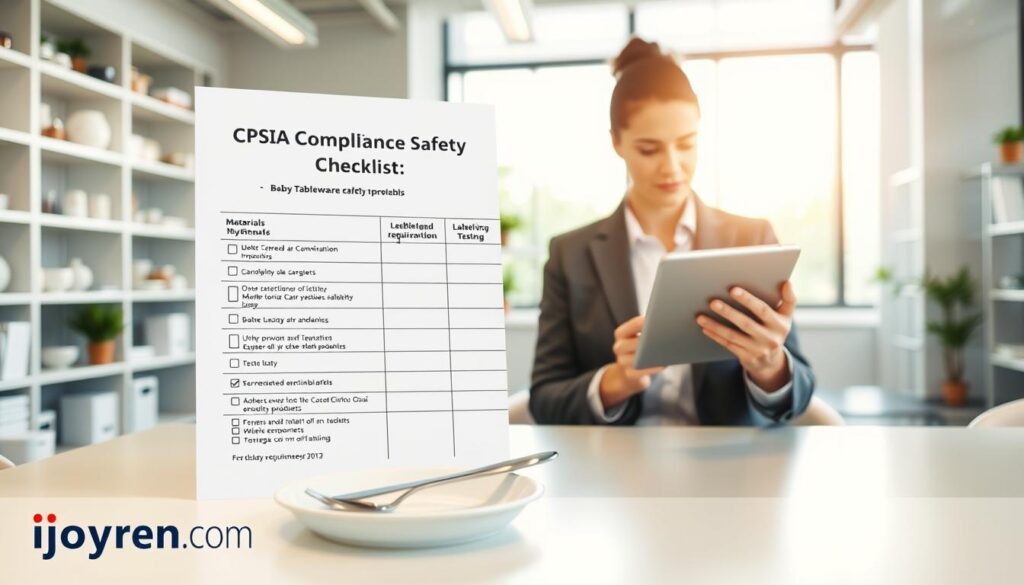
Importing baby tableware into the United States requires more than just finding a great supplier. You must ensure every item meets strict safety standards to protect your young customers. Using a CPSIA Compliance Checklist is a practical starting point to navigate these regulations safely and with total confidence.
Remember that these rules apply to products designed for children aged 12 and under. Additionally, items that touch food often require an extra review for FDA standards. Early testing and accurate documentation are your best tools to avoid costly customs delays or product recalls.
Building a strong relationship with your manufacturer is essential for long-term success. If you need friendly sourcing support, please visit ijoyren.com. You can also reach out to us directly at joan@bebecares.com or connect via WhatsApp at this link for expert guidance.
Key Takeaways
- Always verify safety standards for children’s products under age 12.
- Food-contact items often require additional FDA regulatory review.
- Early testing prevents expensive customs delays and legal issues.
- Maintain clear, consistent communication with your wholesale suppliers.
- Proper documentation is the foundation of a successful import business.
Understanding Baby Product Wholesale
Successful sourcing in the baby industry starts with mastering the fundamentals of bulk purchasing. Wholesale involves buying products in large quantities directly from manufacturers or distributors to resell them to consumers. This process often includes options for private labeling, where you can brand items like baby tableware as your own, and requesting samples to verify quality before committing to a full production run.
What is Wholesale in the Baby Industry?
In this sector, product classification is not just about the physical design; it is also about how the item is marketed and intended to be used. For instance, a silicone bowl might be classified differently based on whether it is marketed as a toy or a feeding utensil. Before placing an order, you must document your intended age group and use cases, which is a critical step in your CPSIA requirements checklist.
Benefits of Wholesale Buying
Buying wholesale allows retailers to secure better profit margins compared to purchasing from secondary resellers. By working directly with suppliers like those at iJoyren, you gain greater control over your inventory and brand identity. If you have questions about specific production terms, you can reach out via WhatsApp or email joan@bebecares.com for direct support.
- Access to lower unit costs through bulk volume.
- Ability to customize products through private labeling.
- Direct communication with manufacturers for quality assurance.
Common Wholesale Terms Explained
Clear communication with your supplier is vital for a smooth supply chain. You should be familiar with industry-standard terminology to ensure your CPSIA requirements checklist is fully addressed during the production phase.
| Term | Definition | Importance |
|---|---|---|
| MOQ | Minimum Order Quantity | Determines the smallest bulk order size. |
| Lead Time | Production and shipping duration | Crucial for inventory planning. |
| Landed Cost | Total cost including shipping/duties | Essential for accurate pricing. |
| CPC/GCC | Compliance Certificates | Required for safety verification. |
Minimum Order Quantity (MOQ) Insights
When sourcing baby gear, the Minimum Order Quantity often dictates your initial cash flow and operational strategy. Understanding these limits is crucial for maintaining a healthy balance sheet while ensuring you have enough stock to meet consumer demand.
Defining MOQ for Baby Products
In the baby industry, an MOQ represents the smallest number of units a manufacturer is willing to produce in a single batch. Because baby products often require specialized materials and rigorous safety testing, factories set these limits to cover their overhead costs. Knowing your supplier’s threshold is the first step in planning your procurement cycle effectively.
Factors Influencing MOQ
Several variables influence the volume requirements set by a factory. High-quality materials, custom packaging designs, and the complexity of the assembly process can all drive up the required order size. Furthermore, you must confirm if your items are classified as children’s products, as this classification triggers specific compliance requirements.
Using a Consumer Product Safety Improvement Act checklist is a vital planning tool for any importer. This checklist helps you connect age grading, material safety, and labeling requirements to your order volume. By aligning your order with these standards, you avoid the risk of holding excess inventory that fails to meet regulatory demands.
Ways to Negotiate MOQ
If a factory’s initial requirements seem too high, do not be discouraged. You can often negotiate more flexible terms by proposing pilot production runs or requesting a mixed-SKU order to diversify your inventory without overcommitting to one item. Shared packaging options can also reduce costs for both parties.
If you need assistance navigating these negotiations or require expert guidance on compliance, feel free to reach out to our team. You can visit our website at ijoyren.com, contact us via WhatsApp, or send an email to joan@bebecares.com. We are here to help you streamline your sourcing process and ensure your business thrives.
Lead Times in Baby Product Sourcing
When sourcing baby products, the clock starts ticking long before the goods reach your warehouse. Successful retailers know that a smooth launch depends on mapping out every phase of the supply chain with precision. By understanding these timelines, you can avoid the stress of empty shelves and missed seasonal opportunities.
Understanding Lead Times
Lead time is not just the duration of manufacturing; it is the sum of several distinct processes. You must account for manufacturing, laboratory testing, packaging, freight, customs clearance, and final delivery to your door. Each step requires careful coordination to ensure your products arrive exactly when you need them.
Many buyers make the mistake of viewing these steps as sequential rather than overlapping. For instance, while your factory handles packaging, you should already be coordinating your safety compliance. If you need assistance navigating these timelines, feel free to reach out to us at ijoyren.com, contact us via WhatsApp, or email joan@bebecares.com for expert guidance.
Factors Affecting Lead Times
Several variables can disrupt even the best-laid plans. Laboratory testing is often the biggest bottleneck if it is not prioritized early. Many businesses wait until products are loaded into a container to begin testing, which is a risky strategy that leads to massive delays.
Other common factors include artwork corrections, material shortages, and unexpected customs inspections. If a product fails a safety test, you will face significant setbacks while waiting for retesting and corrective actions. Always build a buffer into your schedule to account for these potential hurdles.
How to Manage Lead Times Effectively
To keep your project on track, you should implement a strict CPSIA testing checklist. This ensures that safety compliance is handled before your goods ever leave the factory floor. By verifying quality early, you protect your brand and your customers.
Follow this CPSIA testing checklist to streamline your workflow:
- Sample Approval: Confirm the prototype meets all design specifications.
- Laboratory Selection: Choose a certified lab early in the process.
- Test Scheduling: Book your testing slots well before production ends.
- Report Review: Analyze results immediately to identify any issues.
- Corrective Action: Address failures before final production runs.
- Final Verification: Ensure the finished goods match the tested samples.
Proactive planning is your best defense against supply chain volatility. By incorporating contingency time for retesting or design tweaks, you ensure that your seasonal product launch remains successful and stress-free.
Key Considerations for Sourcing Baby Products
Finding the right partner for your baby product business requires a careful look at more than just price. You must evaluate the operational maturity of a factory to ensure they can meet your specific needs consistently. A strong partnership is built on transparency, clear communication, and a shared commitment to excellence.
Identifying Reliable Suppliers
Start by vetting potential partners based on their factory experience and production controls. Ask for references from other international clients to gauge their reliability and professionalism. A capable supplier should provide clear documentation regarding their manufacturing processes and quality management systems.
You can reach out to experts like those at iJoyren to discuss your sourcing requirements. For quick inquiries, feel free to connect via WhatsApp or send an email to joan@bebecares.com. Establishing a direct line of communication early on helps prevent misunderstandings during the production phase.
Assessing Product Quality
Quality control begins with sample consistency. Always request physical samples to verify that the materials used match your specifications and safety requirements. Material traceability is equally vital, as you must know exactly where every component originates.
Do not rely solely on a supplier’s internal inspection or self-issued declarations. These documents do not replace formal testing from a CPSC-accepted independent laboratory. Independent verification is the only way to ensure your products meet the high standards expected by parents and regulators.
Importance of Certifications and Safety Standards
Safety is the most critical aspect of the baby industry. You should utilize a comprehensive CPSIA certification checklist to verify that every Children’s Product Certificate (CPC) is accurate. Ensure each certificate matches the correct SKU, test report, production site, and manufacturing date.
Keeping your compliance files organized is essential for smooth operations. You may need these documents for retailers, customs officials, or government regulators at any time. Using a CPSIA certification checklist helps you maintain a digital audit trail that protects your brand and your customers.
| Vetting Category | Key Action Item | Importance Level |
|---|---|---|
| Factory Experience | Verify years in operation | High |
| Material Traceability | Request raw material logs | Critical |
| Sample Consistency | Compare samples to final batch | High |
| Safety Compliance | Validate CPSC lab reports | Critical |
Trends in the Baby Product Market
Modern parents are shifting their preferences toward safer, smarter, and more sustainable baby gear. As a wholesaler, keeping pace with these changes is vital for maintaining a competitive edge in the United States market. Whether you are sourcing tableware or nursery essentials, aligning your inventory with current consumer values will drive long-term success.
Eco-Friendly Baby Products
Sustainability has moved from a niche interest to a primary requirement for many families. Parents now actively seek out products made from silicone, bamboo, or biodegradable materials that minimize environmental impact. When sourcing these items, you must ensure that all marketing claims regarding safety are backed by solid evidence.
It is critical to verify that items like reusable drinkware are truly food-safe and free from harmful chemicals. Always request written material declarations from your suppliers to confirm that products meet strict safety standards. Relying on a robust CPSIA compliance guide ensures that your inventory remains safe for children and compliant with federal regulations.
The Rise of Smart Baby Gear
Technology is changing how parents approach daily tasks, especially in the realm of connected feeding products. These innovative tools offer convenience and peace of mind by tracking intake or temperature in real-time. However, integrating tech into baby gear requires a deep understanding of both electronic safety and material safety.
Because these products often involve contact with food or beverages, they must adhere to FDA 21 CFR considerations. Before launching any new smart product, review all documentation to ensure it meets the necessary safety benchmarks. If you need assistance navigating these requirements, feel free to reach out to us at ijoyren.com or contact us via WhatsApp for expert guidance.
Social Media Influence on Trends
Social media platforms act as a powerful engine for consumer demand, often turning specific aesthetics or features into overnight sensations. Viral trends can lead to a sudden surge in interest for specific colors, shapes, or functional designs. While it is tempting to jump on these trends quickly, you must never sacrifice safety for speed.
Always perform a thorough review of marketing claims before approving packaging or launching a new line. Ensuring that your products are fully vetted protects your brand reputation and keeps your customers happy. For any questions regarding product safety or sourcing, you can email our team at joan@bebecares.com.
| Trend Category | Key Material/Feature | Regulatory Focus |
|---|---|---|
| Eco-Friendly | Silicone/Bamboo | CPSIA compliance guide |
| Smart Gear | Connected Sensors | FDA 21 CFR / Electronic Safety |
| Tableware | BPA-Free Plastics | Food-Grade Certification |
Effective Strategies for Wholesale Sourcing

Successful sourcing for baby products relies on building strong, transparent connections with manufacturers. By diversifying your search methods, you can identify partners who prioritize quality and safety above all else. A balanced approach ensures you find reliable suppliers while minimizing potential risks to your brand.
Online Platforms to Consider
Digital marketplaces like Alibaba and Global Sources offer a vast directory of manufacturers. While these platforms provide convenience, you must verify supplier claims before committing to a large order. Always look for verified badges and read independent reviews to gauge their reputation.
When evaluating a potential partner, request a virtual tour of their facility. Direct communication is the best way to confirm that their production capabilities match their online profile. Never hesitate to ask for references from other international buyers to validate their track record.
Attending Trade Shows
Trade shows provide a unique opportunity to meet factory representatives in person. These events allow you to inspect product samples firsthand and discuss complex requirements in real-time. Face-to-face interactions often lead to better pricing and more flexible terms than digital outreach alone.
When you attend these shows, focus on building a rapport with the sales team. Ask specific questions about their production capacity and quality control processes. This personal connection often serves as a foundation for a long-term, mutually beneficial partnership.
Building Long-term Supplier Relationships
Maintaining a strong relationship with your supplier is vital for consistent quality. When you work with the same factory over time, they gain a deeper understanding of your brand standards. This leads to better communication regarding coatings, pigments, packaging, and production schedules.
Part of this partnership involves strict adherence to safety regulations. Implementing CPSIA compliance tips is essential for any business importing baby goods into the United States. You should follow these best practices to ensure safety:
- Request and verify official factory test records.
- Confirm that the testing laboratory is CPSC-accepted.
- Approve production-representative samples before final shipping.
- Document every material change to maintain a clear audit trail.
Consistency is key when managing these relationships. If you need help screening potential baby-tableware suppliers, our team is ready to assist you. You can visit our website at ijoyren.com, reach out via WhatsApp at wa.link/b88mcs, or send an email to joan@bebecares.com for expert guidance.
Navigating Pricing Structures
Navigating the complex pricing structures of international baby product manufacturing is essential for your business’s long-term success. While a low factory quote might look attractive on paper, it often fails to account for the total investment required to bring a product to market safely and legally.
Understanding Wholesale Pricing vs. Retail
Wholesale pricing is fundamentally different from the retail prices consumers see on store shelves. When you buy in bulk, you are paying for the production cost plus the manufacturer’s margin, which allows you to build in your own profit markup.
Always remember that wholesale prices are tiered based on volume. The more units you order, the lower the per-unit cost becomes, as fixed expenses like setup and labor are spread across a larger inventory.
Hidden Costs to Be Aware Of
Many importers fall into the trap of focusing solely on the unit price. However, the lowest factory quotation can quickly become the most expensive option if you ignore the secondary costs of importing.
You must account for expenses such as tooling, custom packaging, laboratory testing, and international freight. Additionally, remember to factor in duties, customs brokerage fees, storage, and insurance. If your documentation is incomplete or your products fail safety standards, these costs can skyrocket, potentially ruining your profit margins.
| Cost Category | Description | Impact on Budget |
|---|---|---|
| Production | Unit price and tooling | High |
| Logistics | Freight, duties, insurance | Medium |
| Compliance | Testing and certification | Critical |
Discount Opportunities for Bulk Purchases
To maximize your budget, you should integrate a CPSC compliance checklist into your financial planning from day one. This checklist ensures you allocate funds for necessary certificates, tracking labels, and recordkeeping, which prevents costly delays at customs.
By prioritizing a CPSC compliance checklist, you protect your brand from potential recalls and legal issues. When comparing supplier quotes, always calculate the landed cost rather than just the factory price. This approach provides a clear picture of your actual investment when importing multiple baby-tableware SKUs.
If you need assistance with sourcing or understanding these costs, feel free to reach out to our team at ijoyren.com. You can also contact us directly via email at joan@bebecares.com or message us on WhatsApp for personalized guidance on your next order.
Leveraging Technology for Wholesale

Integrating advanced software into your supply chain is essential for scaling your baby product business. Modern digital tools allow you to manage complex logistics with ease while ensuring that every item meets strict quality standards. By moving away from manual spreadsheets, you gain greater visibility into your entire procurement process.
The Role of E-commerce in Bulk Buying
E-commerce platforms have revolutionized how retailers connect with manufacturers. Instead of relying on slow email chains, B2B portals provide a centralized hub for browsing catalogs, checking real-time stock, and placing orders. This seamless connectivity ensures that your purchase orders are processed accurately and quickly.
For personalized support or specific sourcing needs, you can reach out to experts at ijoyren.com. You may also connect via WhatsApp or send inquiries directly to joan@bebecares.com to discuss your bulk requirements.
Using Software for Inventory Management
Effective inventory management software acts as the backbone of your operations. It allows teams to store documents at the SKU level, ensuring that you can instantly retrieve essential records. This includes laboratory reports, artwork versions, and original invoices whenever they are needed for audits.
Having a digital repository prevents the loss of critical data. When your team can access the correct CPC or shipment records in seconds, you reduce administrative errors significantly. This level of organization is vital when managing high-volume baby product orders.
Benefits of Responsive Supply Chain Tools
Responsive tools provide the agility needed to handle unexpected safety concerns. If a supplier changes a material or a recall is issued, these systems allow you to identify affected inventory across your distribution network immediately. Utilizing a product safety compliance checklist is the best way to maintain consistent standards.
The following table outlines the key elements to track for every batch of products you receive:
| Compliance Category | Tracking Requirement | Importance |
|---|---|---|
| Labeling | Tracking labels | High |
| Origin | Country-of-origin marking | Medium |
| Safety | Age grading and warnings | Critical |
| Traceability | Batch identification | Critical |
By maintaining a rigorous product safety compliance checklist, you protect your brand reputation and ensure the well-being of your customers. Proactive monitoring through responsive software is the hallmark of a successful, modern wholesale business.
How to Contact Suppliers
Building a strong partnership starts with clear and professional outreach. You should provide specific details to help manufacturers understand your needs immediately.
Essential Outreach Details
When you reach out, include your product specifications, target age groups, and material requirements. Mention any food-contact standards, requested MOQ, lead times, and packaging preferences. Always ask for past testing history and clear shipping terms to avoid surprises.
Ensuring Regulatory Compliance
Customs officials review commercial invoices, packing lists, and bills of lading during the import process. Your HTS classification must remain consistent across every document to prevent delays. Accurate paperwork ensures your goods move through the U.S. border without unnecessary friction.
Early communication remains the best way to secure your supply chain. Independent testing, valid certificates, and traceable production records support a smoother U.S. launch for your brand. Reach out to the team at ijoyren.com for expert guidance on sourcing and compliance planning.
You can also connect via WhatsApp at https://wa.link/b88mcs or send your inquiries to joan@bebecares.com. Our team provides friendly support to help you navigate the complexities of the baby product market with confidence.