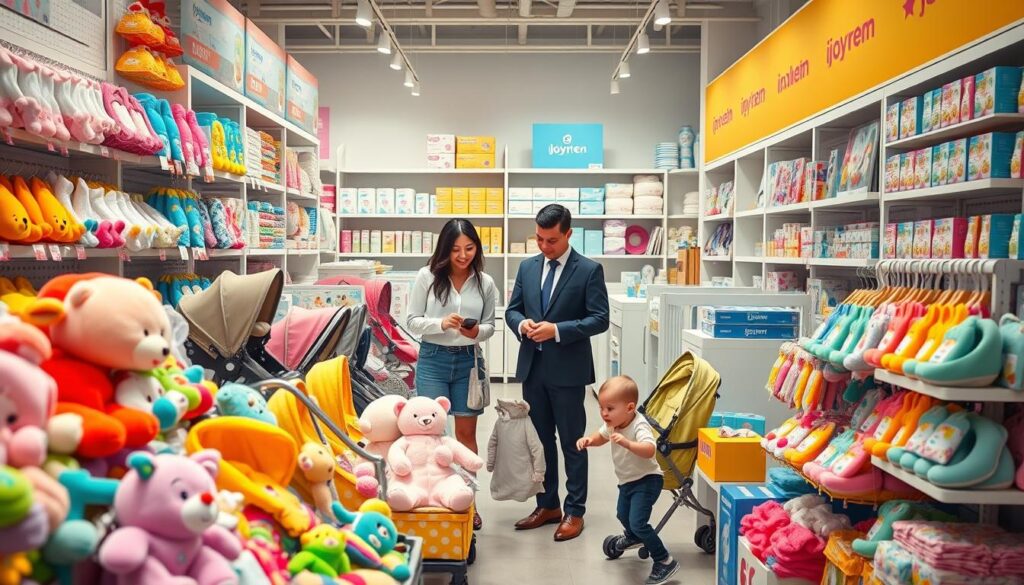
The American baby goods market overview reveals a thriving landscape for manufacturers and private-label brands. With annual spending reaching up to $50 billion, this sector offers immense potential for those ready to innovate.
Children’s apparel alone accounts for over $35 billion in retail sales, highlighting a massive demand for quality items. For OEM suppliers, navigating this space requires a deep understanding of consumer expectations and strict regulatory standards.
Our guide explores essential US infant product statistics to help your business succeed. We will cover e-commerce trends, distribution strategies, and sustainability goals to ensure your entry is both profitable and compliant.
If you are looking to expand your reach, feel free to visit ijoyren.com for expert insights. You can also reach out via WhatsApp or email joan@bebecares.com to discuss your manufacturing needs.
Key Takeaways
- The industry generates between $40 and $50 billion in annual revenue.
- Apparel represents a significant portion of retail sales, exceeding $35 billion.
- Success depends on mastering e-commerce channels and consumer expectations.
- Regulatory compliance remains a critical factor for all new suppliers.
- Sustainability and eco-friendly practices are increasingly vital for brand growth.
Overview of the US Baby‑Product Market
With a projected value of $156 billion by 2034, the US baby products market growth is truly impressive. While estimates for 2025 hover around $92.9 billion, these figures often vary based on whether the scope includes only essential gear or broader lifestyle categories. The baby products industry US encompasses a vast array of items, ranging from durable strollers and car seats to specialized skincare, organic apparel, and nutritional consumables.
Key Market Trends
Modern parents are increasingly prioritizing premiumization, seeking high-quality goods that offer both safety and aesthetic appeal. There is a noticeable shift toward convenience-driven solutions that simplify the daily routines of busy families. Furthermore, the trend of delayed parenthood means that many households have more disposable income to invest in top-tier products for their children.
“The modern parent views every purchase as an investment in their child’s development and safety, driving a demand for smarter, more sustainable solutions.”
Growth Drivers
Several factors fuel the expansion of this sector. Higher spending per child remains a primary driver, as families opt for fewer but higher-quality items. This shift creates significant opportunities for manufacturers who can provide innovative, reliable, and stylish goods. If you are looking to align your production with these demands, feel free to reach out at ijoyren.com or contact us via WhatsApp for partnership inquiries.
| Category | Market Focus | Growth Potential |
|---|---|---|
| Durable Gear | Safety & Tech | High |
| Apparel | Organic & Style | Moderate |
| Consumables | Health & Eco | High |
Challenges Facing OEM Suppliers
Despite the positive outlook, the baby products market analysis US reveals several hurdles for suppliers. Declining birth rates create a more competitive environment, while market saturation in certain categories makes it difficult for new entrants to gain traction. Additionally, suppliers must navigate complex regulatory requirements and fluctuating tariffs that impact profit margins.
Price sensitivity remains a critical concern for many consumers, forcing brands to balance quality with affordability. If you need guidance on navigating these complexities, please email us at joan@bebecares.com. Strategic planning and a deep understanding of local compliance are essential for long-term success in this dynamic landscape.
The Rise of E-commerce in Baby Products
The digital landscape has fundamentally transformed how American parents discover and purchase essential baby products. This shift is a core component of current US baby care market trends, as families prioritize efficiency and access to a wider variety of goods. By leveraging digital tools, manufacturers can now reach consumers directly, bypassing traditional retail bottlenecks.
Impact of Online Shopping
Online shopping has revolutionized the entire customer journey, from initial product discovery to the final checkout. Parents now spend hours researching features, reading peer reviews, and comparing prices across multiple tabs before making a purchase. This behavior necessitates that OEM suppliers maintain accurate listings, high-quality product photography, and transparent, compliant packaging to build trust with discerning buyers.
“The convenience of digital retail has moved from a luxury to a necessity for the modern parent, creating a seamless bridge between global manufacturers and local households.”
Leading E-commerce Platforms
The market is dominated by major players like Amazon and Walmart, which offer robust logistics and rapid delivery options. However, many brands are finding success by building their own online baby products retailing market presence through Shopify stores and brand-owned websites. These platforms allow for better control over the brand narrative and direct engagement with customers through subscription services and digital baby registries.
| Channel Type | Primary Benefit | Logistics Focus |
|---|---|---|
| Marketplaces | High Traffic | Barcode Compliance |
| Brand Websites | Customer Loyalty | Direct Fulfillment |
| Subscription Models | Recurring Revenue | Inventory Planning |
Consumer Preferences
Today’s parents demand both convenience and total transparency regarding the materials used in their children’s products. With an estimated $13.5 billion online sales opportunity projected for 2025, meeting these expectations is vital for long-term growth. If you are looking to align your production with these US baby care market trends, feel free to reach out to us at ijoyren.com, contact us via WhatsApp, or send an inquiry to joan@bebecares.com for expert guidance.
Understanding Consumer Behavior
The landscape of the US infant product market is shaped by the unique habits and values of today’s diverse families. Modern parents are increasingly research-intensive, often spending hours comparing features before making a purchase. As an OEM supplier, recognizing these patterns is the first step toward building a successful brand presence.
Whether you are analyzing US newborn products market size or local trends, it is clear that the modern parent prioritizes quality and trust. By aligning your manufacturing specifications with these consumer needs, you can create products that truly resonate with the American market.
Demographic Insights
The American family structure is evolving, and this shift directly impacts how products are marketed and sold. Nuclear families often look for space-saving, multi-functional items that fit into smaller urban living environments. In contrast, extended families may prioritize durability and items that can be passed down through generations.
Multicultural households bring diverse preferences regarding aesthetics, cultural traditions, and specific child-rearing practices. Understanding these nuances allows suppliers to tailor their offerings to a broader audience. If you need help navigating these segments, feel free to reach out at ijoyren.com or contact us via WhatsApp for expert guidance.
Purchasing Decision Factors
When parents evaluate new items, they rely heavily on a mix of professional guidance and peer validation. Pediatrician recommendations, independent reviews, and social media communities play a massive role in building brand trust. Safety certifications and ingredient transparency are no longer optional; they are the baseline expectations for any reputable product.
The following table outlines the primary factors that influence purchasing decisions in the current US newborn products market size:
| Factor | Consumer Priority | Impact on Sales |
|---|---|---|
| Safety & Compliance | High | Critical for trust |
| Ease of Use | Medium-High | Drives repeat purchases |
| Price Point | Medium | Influences initial trial |
| Sustainability | Growing | Builds brand loyalty |
For OEM suppliers, translating these insights into buyer-ready documentation is essential. Providing clear, honest information about your manufacturing processes helps retailers and parents feel confident in their choices. If you have questions about aligning your production with these US infant product market statistics, please email joan@bebecares.com for support.
Innovations in Baby Products
The modern nursery is undergoing a significant transformation as parents prioritize products that offer both high-tech convenience and environmental responsibility. As we analyze current US baby care market trends, it becomes evident that families are moving away from single-use items toward durable, multifunctional gear. This shift challenges manufacturers to rethink how they design everything from strollers to nursery monitors.
Eco-Friendly Product Demand
Sustainability is no longer a niche preference; it is a core requirement for many American parents. Consumers are actively seeking products made from non-toxic, biodegradable, or recycled materials that do not compromise on quality. By focusing on sustainable manufacturing, brands can build long-term trust and loyalty with eco-conscious shoppers.
Providing products that offer long-term value is essential. For instance, modular furniture that grows with the child reduces waste and provides a better return on investment for families. If you are looking to align your production with these values, feel free to reach out at ijoyren.com or contact us via WhatsApp for collaboration opportunities.
Smart Baby Gadgets
Technology has integrated seamlessly into daily parenting routines through smart monitors, wearable trackers, and connected cribs. These devices offer parents real-time peace of mind by providing data on sleep patterns, heart rates, and nursery environments. App-enabled breast pumps and automated rockers are also gaining popularity for their ability to simplify complex tasks.
However, innovation must remain intuitive to be successful. Adding technology without a clear parental benefit can lead to frustration rather than convenience. OEMs must ensure that all connected features undergo rigorous testing for cybersecurity, privacy, and battery reliability to meet the high standards expected in the US market.
Safety Features in New Products
Safety remains the non-negotiable foundation of all baby product design. Whether it is a convertible car seat or an adjustable high chair, the focus is on creating gear that adapts to a child’s developmental stages while maintaining strict structural integrity. Intuitive safety mechanisms are preferred, as they reduce the risk of user error during assembly or daily operation.
For OEMs, validating these features through comprehensive safety testing is the most critical step in the development process. Innovations should always prioritize the well-being of the child above all else. For further inquiries regarding product development or compliance, please email our team at joan@bebecares.com to discuss how we can support your entry into the market.
Regulatory Landscape for Baby Products
Entering the baby industry market in the US requires a deep understanding of strict safety protocols. Navigating this environment involves a layered system managed by the Consumer Product Safety Commission (CPSC), the FDA, and US Customs and Border Protection. Manufacturers must prioritize safety to ensure long-term success and consumer trust.
Key Regulations and Standards
The US maintains rigorous standards to protect infants and young children. The Consumer Product Safety Improvement Act (CPSIA) serves as a primary framework, mandating third-party testing for most children’s products. You must adhere to specific limits on lead and phthalates, as well as strict textile flammability requirements.
Beyond general safety, specific items like baby food or feeding equipment fall under FDA jurisdiction. These products often require FDA registration, proper English labeling, and adherence to the Food Safety Modernization Act (FSMA). Additionally, all imported goods must feature accurate country-of-origin markings to clear customs successfully.
Compliance Requirements for OEMs
For suppliers looking to thrive in the baby industry market in the US, maintaining a proactive compliance mindset is vital. You should keep detailed technical files for every product line, including comprehensive test reports from accredited laboratories. These documents prove that your items meet all applicable ASTM standards before they reach the retail shelf.
Production controls and regular labeling reviews are essential to avoid costly delays or product recalls. If you need expert assistance navigating these complex requirements, feel free to reach out for support. You can visit our website at ijoyren.com, contact us via WhatsApp, or send an email to joan@bebecares.com to ensure your products are fully compliant.
Collaborating with Distributors
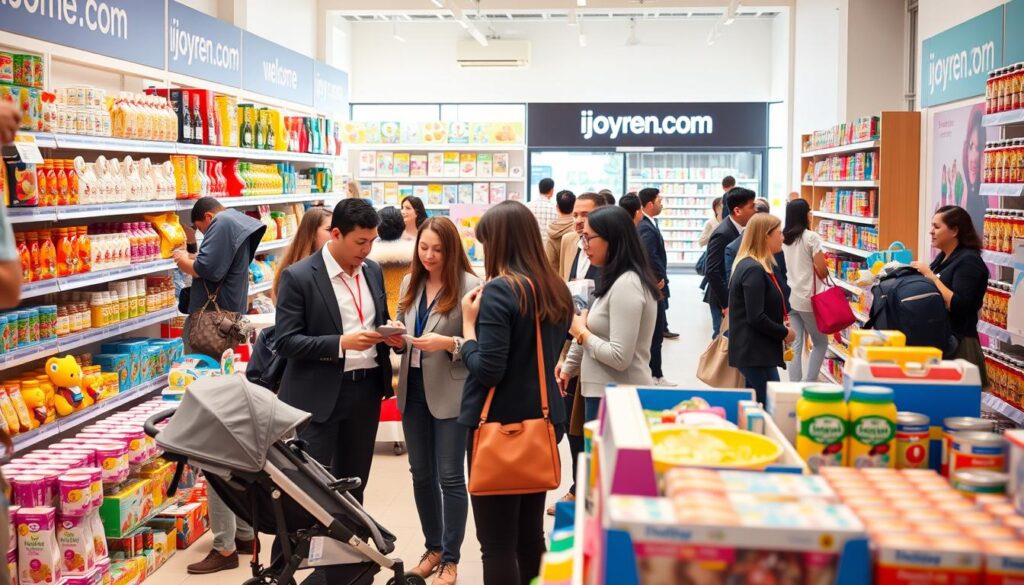
Navigating the complex baby industry market in the US requires more than just a great product; it demands a strategic approach to distribution. Whether you are working with importers, specialty retailers, or large mass merchants, each partner plays a unique role in connecting your goods with American families.
Importance of Distribution Networks
A robust distribution network acts as the bridge between your manufacturing facility and the end consumer. While e-commerce sellers offer direct access to digital-savvy parents, mass merchants provide the volume necessary for rapid market penetration. Choosing the right mix of these channels ensures your products remain visible and accessible across the country.
| Channel Type | Volume Potential | Marketing Support | Compliance Needs |
|---|---|---|---|
| Mass Merchants | High | Moderate | Strict |
| Specialty Retailers | Low/Medium | High | Moderate |
| E-commerce | Scalable | High | Variable |
Choosing the Right Partners
When evaluating potential partners, look beyond simple pricing structures. You should prioritize firms with deep experience in the baby industry market in the US, as they understand the nuances of safety regulations and consumer expectations. Always verify their ability to manage inventory, handle returns, and provide accurate sales forecasting.
Before signing any long-term agreements, ensure your documentation is in order. You must have all certifications and independent testing reports ready for review to prove your commitment to safety. If you need assistance navigating these requirements or finding reliable connections, feel free to visit ijoyren.com, reach out via WhatsApp, or send an email to joan@bebecares.com for expert guidance.
Marketing Strategies for Baby Products
Navigating the modern landscape of baby products demands more than just quality; it requires a robust digital marketing framework. To stay ahead of US baby care market trends, brands must prioritize education, trust, and discoverability. By focusing on these pillars, companies can build lasting relationships with parents who seek reliable solutions for their families.
Effective Digital Marketing Techniques
Success in the digital space begins with search-optimized product pages that answer common parent questions. Providing clear, frustration-free packaging and detailed descriptions helps build immediate confidence. Furthermore, maintaining Amazon readiness with proper FNSKU labels and consistent brand assets ensures a seamless shopping experience.
Email marketing and retargeting campaigns serve as powerful tools to keep your brand top-of-mind. By offering helpful content such as registry checklists or safety guides, you provide value beyond the initial sale. These efforts, combined with marketplace advertising, drive measurable conversions and long-term loyalty.
Influencer Partnerships
Collaborating with parenting creators allows brands to demonstrate product utility in real-world settings. It is essential to partner with voices that resonate with your target audience while maintaining strict compliance regarding health and safety claims. Always ensure that any pediatrician-reviewed information is accurate and supported by verifiable data.
These partnerships should focus on authentic storytelling rather than aggressive sales tactics. When creators share their genuine experiences, they foster a sense of community and trust. This approach effectively highlights the benefits of your products while respecting the intelligence of modern parents.
Utilizing Social Media Channels
Short-form video demonstrations are highly effective for showcasing product features in an engaging format. Platforms like Instagram and TikTok allow you to address parent FAQs directly, turning complex information into digestible content. Promoting baby registries through these channels can also significantly boost your visibility during peak gift-giving seasons.
| Marketing Channel | Primary Goal | Key Metric |
|---|---|---|
| Search Engine Optimization | Discoverability | Organic Traffic |
| Influencer Marketing | Trust Building | Engagement Rate |
| Email Campaigns | Customer Retention | Conversion Rate |
| Social Media Video | Product Education | View Duration |
For those looking to expand their reach or discuss potential collaborations, please visit our website at ijoyren.com. You can also reach out to us directly via WhatsApp or send an inquiry to joan@bebecares.com. We are committed to helping you navigate the evolving US baby care market trends with professional support and high-quality manufacturing standards.
Trends in Sustainable Baby Products
Sustainability has evolved from a niche marketing buzzword into a core pillar of the modern US baby care market trends. Today, parents view eco-friendly choices as a fundamental aspect of responsible parenting rather than a luxury upgrade.
For OEM suppliers, this shift represents a significant commercial opportunity to build long-term brand loyalty. By focusing on transparent sourcing and verified environmental claims, companies can meet the growing demand for products that protect both the child and the future environment.
Rising Demand for Eco-Friendly Options
Modern consumers are highly educated and demand clear evidence regarding the safety of materials. They look for certifications that substantiate claims about non-toxic, organic, or recycled components.
Effective communication is vital to bridge the gap between environmental value and affordability. When products carry a price premium, brands must clearly articulate the long-term benefits, such as durability and health safety, to justify the cost to the average family.
Sustainable Manufacturing Practices
Responsible chemical management and the use of renewable fibers are now standard expectations in the industry. Manufacturers are increasingly adopting lifecycle thinking, which considers the entire journey of a product from raw material extraction to final disposal.
Reducing waste through smarter packaging and designing items for repairability helps minimize the environmental footprint. These practices not only appeal to eco-conscious shoppers but also streamline production costs over time.
| Feature | Traditional Approach | Sustainable Approach |
|---|---|---|
| Material Sourcing | Standard Plastics | Renewable/Recycled Fibers |
| Chemical Use | Basic Compliance | Strict Non-Toxic Standards |
| Packaging | Single-use Plastic | Minimalist/Biodegradable |
| Product Lifecycle | Disposable | Durable/Repairable |
If you are looking to align your production with these US baby care market trends, we are here to help. You can explore our capabilities at ijoyren.com, reach out via WhatsApp, or send your inquiries to joan@bebecares.com.
Customization and Personalization Trends
The demand for personalized baby products is rapidly reshaping how manufacturers approach the US newborn products market size. As parents seek items that reflect their unique family identity, brands that offer bespoke solutions gain a significant edge. This shift toward individualization is not just a trend; it is a fundamental change in consumer expectations.
Benefits of Tailored Products
Personalization allows OEM suppliers to differentiate their offerings in a highly fragmented market. Data indicates an approximately 15% increase in demand for tailored baby-care solutions, driven largely by registry and milestone gifting behaviors. When products feel personal, they create a deeper emotional connection with the buyer.
By utilizing modular design and digital configuration tools, suppliers can offer customization without creating unmanageable complexity. This approach allows for small-batch production that meets specific needs while maintaining operational efficiency. Manufacturers can leverage these strategies to capture a larger share of the US newborn products market size.
Examples of Customized Baby Items
There are numerous ways to integrate personalization into your product catalog to better serve modern parents. Consider these popular categories:
- Monogrammed apparel and nursery accessories that add a personal touch to baby showers.
- Adjustable carriers that provide both comfort and a custom fit for different caregivers.
- Modular feeding products that grow alongside the child’s developmental stages.
- Individualized skincare bundles tailored to specific skin sensitivities or preferences.
- Personalized gift sets that make milestone celebrations more memorable.
If you are looking to expand your manufacturing capabilities or need guidance on implementing these trends, we are here to help. You can explore our solutions at ijoyren.com, reach out via WhatsApp, or send an inquiry to joan@bebecares.com. Embracing these personalization strategies is a proven way to stay competitive in the evolving US newborn products market size.
Global Competitors in the Baby‑Product Market
Navigating the competitive terrain of the baby products industry US requires a keen eye for global trends. The sector is remarkably fragmented, meaning that no single manufacturer holds more than a 5% market share. This lack of a dominant monopoly creates a wide-open door for agile OEM suppliers to establish meaningful partnerships.
Key Players and Market Shares
The current American baby goods market overview reveals a diverse mix of multinational corporations, specialist gear brands, and premium innovators. While large conglomerates often dominate shelf space, smaller, specialized firms frequently capture consumer loyalty through niche product design and superior safety credentials.
This competitive environment thrives on several key factors:
- Safety Standards: Brands that prioritize rigorous testing build long-term trust.
- Distribution Strength: Efficient logistics networks ensure products reach parents exactly when needed.
- Convenience: Modern parents favor items that simplify their daily routines.
Lessons from International Brands
International suppliers looking to succeed in the United States must focus on localized compliance and distinctive design. Successful brands often treat the US market as a unique ecosystem, adapting their manufacturing practices to meet specific regional expectations for quality and sustainability.
To compete effectively, suppliers should prioritize the following strategies:
- Category Specialization: Focus on mastering one specific product type to ensure high quality.
- Responsive Fulfillment: Speed and reliability in shipping are non-negotiable for modern retailers.
- Transparent Communication: Building a brand identity based on trust and clear safety documentation is essential.
If you are seeking to enter this space, connecting with experienced partners can streamline your path to success. For inquiries regarding manufacturing and supply chain support, you can visit ijoyren.com, reach out via WhatsApp, or send an email to joan@bebecares.com. By combining reliable quality with a deep understanding of the American baby goods market overview, your brand can secure a lasting position in this dynamic industry.
Future Outlook for the US Baby‑Product Market
While birth rates fluctuate, the US baby-product market is poised for significant financial expansion through 2034. Industry leaders are successfully offsetting lower birth-related volumes by focusing on premiumization, advanced technology, and sustainable manufacturing. By embracing e-commerce and deep personalization, brands can capture a larger share of the modern parenting wallet.
Market Projections for 2025 and Beyond
Current baby products market analysis US data suggests a robust trajectory for the industry. The market is expected to grow from an estimated $92.9 billion in 2025 to a staggering $156 billion by 2034. This growth reflects a shift toward higher-value items that prioritize safety, convenience, and long-term utility for families.
Potential Opportunities for Growth
To capitalize on this US baby products market growth, suppliers should focus on high-demand categories that solve real-world parenting challenges. Innovation remains the primary driver for success in this competitive landscape.
Key areas for expansion include:
- Smart Technology: High-tech monitors and AI-integrated nursery devices.
- Convertible Gear: Multi-stage designs that grow with the child to provide better value.
- Organic Care: Eco-friendly and non-toxic baby essentials.
- Tailored Solutions: Subscription-based models and personalized product bundles.
Strategic targeting is essential for reaching diverse consumer bases. We recommend focusing on specific demographics in the Midwest, Southern, and Alaskan regions, as well as growing Hispanic communities. Maintaining a strong value proposition is vital for price-sensitive families who still demand quality.
If you are ready to explore these opportunities, we are here to help you scale your business. You can visit our website at ijoyren.com, reach out via WhatsApp, or send an email to joan@bebecares.com to discuss your next steps in the US baby-product market.
How to Get Started as an OEM Supplier
Entering the American retail landscape requires a clear strategy and a commitment to quality. You can build a successful business by focusing on category selection and validating demand before you invest in mass production.
Steps to Successfully Enter the Market
Your roadmap begins with rigorous product engineering and prototype testing. Every OEM baby product supplier must prioritize safety by securing third-party laboratory reports and maintaining detailed quality-management documentation. These steps ensure your items meet strict safety standards.
Securing CPSC-compliant baby products remains the most vital step for long-term success. You should prepare your social compliance credentials, packaging files, and landed-cost calculations early. This preparation makes your brand attractive to major American buyers who value transparency and reliability.
US market entry for baby products involves careful planning regarding tariffs and distribution networks. You can explore new partnerships at CBME China 2026, which takes place July 15–17 at NECC Shanghai. This event connects you with thousands of trade buyers looking for innovative manufacturing solutions.
Our team is ready to help you navigate these complex requirements. Visit https://ijoyren.com/ to view our capabilities. You can connect with us through https://wa.link/b88mcs or send an email to joan@bebecares.com to discuss your specific manufacturing needs today.