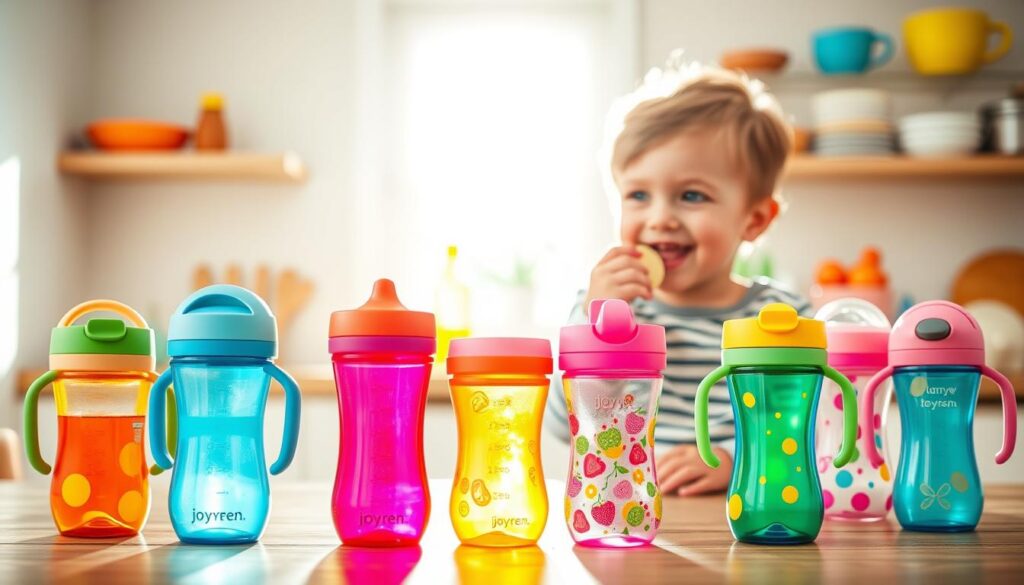
Modern parents in the United States are shifting their focus toward products that foster independence during mealtime. This movement is driving significant growth within the Toddler Sippy-Cups Industry, which is projected to expand from USD 1,713.13 million in 2026 to USD 2,676.9 million by 2035. Families now prioritize safety, ergonomic design, and sustainable materials more than ever before.
Innovation is at the heart of this transformation. Manufacturers are responding to these high expectations by creating tools that make self-feeding both intuitive and mess-free. As the market evolves, staying informed about the latest trends is essential for those navigating this competitive landscape.
If you need expert guidance or product support, please visit iJoyRen. You can also reach out via WhatsApp or send an email to joan@bebecares.com for personalized assistance.
Key Takeaways
- The market for self-feeding products is expected to reach USD 2,676.9 million by 2035.
- Safety and ergonomic features are the top priorities for American parents today.
- Sustainable material choices are becoming a standard requirement for new feeding gear.
- Digital shopping trends are reshaping how families discover and purchase these essential items.
- Professional support is readily available through iJoyRen for those seeking industry insights.
Overview of Self‑Feeding Baby‑Tableware
Self-feeding baby-tableware serves as the essential bridge between infant dependency and toddler autonomy. These specialized tools are designed to help young children participate in meals while building confidence at the dinner table.
By providing items that fit small hands, parents can foster a positive relationship with food from an early age. You can explore more about the baby and toddler feeding products and accessories to understand how these trends are shaping modern parenting.
What is Self‑Feeding Baby‑Tableware?
This category encompasses a wide range of items, including plates, bowls, utensils, and specialized drinkware. These products are engineered to accommodate the limited motor skills of infants and toddlers.
For instance, toddler drinking cups are crafted to help children move away from bottles. These items prioritize safety and ease of use, ensuring that your child feels empowered during every mealtime.
Key Features and Benefits
The primary goal of this tableware is to support safer handling and reduced mess. Many designs feature suction bases or ergonomic grips that prevent accidental spills and drops.
Using spill-proof sippy cups allows children to practice their coordination without the frustration of constant cleanups. These features provide peace of mind for parents while encouraging the child to explore new textures and flavors independently.
Types of Self‑Feeding Tableware Available
Parents today have access to a vast array of materials, with plastic currently representing 46.5% of market usage. While plastic remains popular for its durability, many families also choose stainless steel or glass options for their long-term safety benefits.
The rise of online shopping has made it easier than ever to find the perfect set for your little one. If you have questions about selecting the right gear, feel free to visit ijoyren.com, reach out via WhatsApp, or send an email to joan@bebecares.com for personalized guidance.
The Rise in Demand for Self‑Feeding Solutions
Understanding the surge in demand for self-feeding products reveals a deeper commitment to child health and autonomy. Modern families are moving away from traditional passive feeding methods, opting instead for tools that empower toddlers to explore food on their own terms.
Factors Driving Popularity
The Toddler Sippy-Cups Industry has seen a massive transformation as safety becomes the top priority for caregivers. Recent data shows that the adoption of BPA-free toddler cups has risen by 41.6%, reflecting a widespread move toward non-toxic, health-conscious materials.
Beyond safety, parents are looking for practical features that simplify their daily routines. Key drivers include:
- Leak-resistant designs that prevent messy spills during mealtime.
- Easy-clean construction that saves time for busy parents.
- Ergonomic shapes that support the development of fine motor skills.
Parent Preferences and Market Trends
Market trends indicate that regional consumption patterns are shifting rapidly. North America currently holds a 32.7% share of the market, while the Asia-Pacific region is experiencing significant growth in demand for high-quality feeding solutions.
Parents are increasingly seeking brands that prioritize both functionality and sustainability. Companies like iJoyren are leading this charge by offering innovative products that meet these high standards. If you have questions about selecting the right gear for your child, you can reach out via WhatsApp or send an email to joan@bebecares.com for personalized guidance.
Ultimately, the Toddler Sippy-Cups Industry continues to evolve alongside the needs of modern families. By choosing BPA-free toddler cups, parents are not just buying a product; they are investing in a safer, more independent future for their children.
Advantages for Developmental Milestones
Thoughtfully designed tableware plays a significant role in how toddlers master new physical skills. For children in the 12-to-24-month age group, which accounts for 34.7% of the market, mealtime is more than just nutrition. It is a prime opportunity to practice coordination and build confidence through daily routines.
Encouraging Independence
When toddlers have access to tools sized for their small hands, they feel empowered to take control of their own meals. Self-feeding allows children to make choices about what they eat and how much they consume. This autonomy is a crucial milestone that fosters a positive relationship with food from an early age.
Enhancing Motor Skills
Refining fine motor skills requires consistent practice with items like spoons, bowls, and specialized toddler cup designs. These tools help children improve their pincer grasp and hand-eye coordination as they learn to lift and maneuver food to their mouths. For instance, straw-style cups are excellent for supporting oral motor development during this transition period.
Supporting Sensory Exploration
Mealtime serves as a sensory playground where children learn about different temperatures, textures, and colors. Using safe, durable tableware allows toddlers to touch and interact with their food without the fear of breakage. This exploration is vital for sensory processing and helps children become more adventurous eaters.
| Tool Type | Primary Benefit | Developmental Focus |
|---|---|---|
| Ergonomic Spoons | Grasping | Fine Motor Control |
| Straw-style Cups | Sipping | Oral Motor Strength |
| Divided Plates | Choosing | Decision Making |
If you have questions about selecting the best gear for your little one, feel free to reach out to our team at ijoyren.com. You can also contact us via WhatsApp or send an email to joan@bebecares.com for personalized guidance.
Materials and Safety Standards
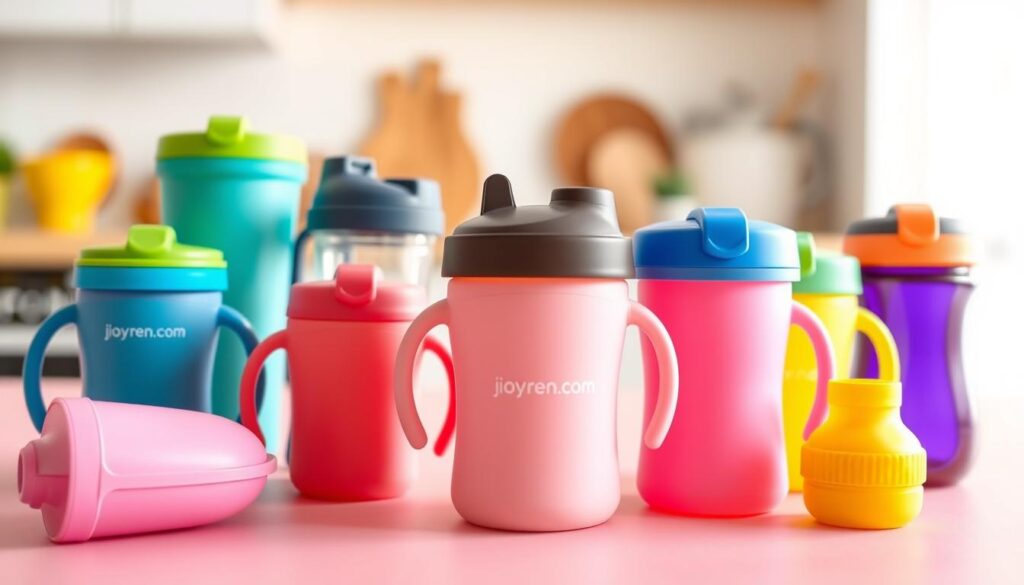
When it comes to feeding your little one, the materials used in their tableware are just as important as the food itself. Selecting the right products helps ensure that every meal is a safe and positive experience for your growing child.
Commonly Used Materials
Modern baby tableware comes in a variety of materials, each offering unique benefits for daily use. Food-grade silicone is highly popular because it is soft, durable, and easy to clean. Many parents also prefer stainless steel for its long-lasting nature and resistance to odors or stains.
While traditional plastics are common, there is a growing shift toward safer alternatives. Eco-friendly composites are gaining traction, providing a lightweight option that stands up well to the bumps and drops of toddler life. Glass remains a classic choice for those who prioritize purity, though it requires more careful handling.
| Material | Durability | Weight | Best Use |
|---|---|---|---|
| Silicone | High | Light | Self-feeding |
| Stainless Steel | Very High | Medium | Travel |
| Food-Grade Plastic | Medium | Very Light | Daily Meals |
| Glass | Low | Heavy | Home Use |
Safety Features Parents Should Consider
Safety is the top priority when shopping for your child. Demand for BPA-free toddler cups has increased by 48.2% as families become more aware of chemical exposure. Always look for products that are clearly labeled as FDA-approved to ensure they meet strict health standards.
Functionality is equally vital for a stress-free mealtime. Many parents prioritize spill-proof sippy cups to minimize messes, but it is important to check the valve performance regularly. Leakage complaints account for 28.3% of negative reviews, so testing your gear before the first use is a smart habit.
Finally, keep an eye on the condition of your items. Worn or cracked tableware can harbor bacteria, so replace them as soon as you notice signs of damage. If you have questions about specific safety certifications, feel free to visit ijoyren.com, reach out via WhatsApp, or send an email to joan@bebecares.com for expert guidance.
Design Innovations in Baby‑Tableware
Parents now have access to sophisticated tools designed specifically for small, developing hands. Modern manufacturers prioritize functionality to ensure that every mealtime becomes a positive learning experience for your child.
Ergonomic Designs for Little Hands
The most effective toddler cup designs focus on physical comfort and stability. Features like easy-grip handles allow children to build confidence while holding their own drinks. Non-slip bases are essential, as they prevent accidental spills during those energetic learning phases.
Many products now incorporate weighted bottoms to keep the cup upright on high chairs or tables. Flexible spouts also play a vital role by protecting sensitive gums while encouraging a natural transition from bottles. These thoughtful adjustments make it much easier for toddlers to master independent drinking.
Color Psychology in Tableware Choices
Visual appeal is a powerful tool when encouraging children to engage with their food. Bright colors and familiar characters often capture a toddler’s attention, making the feeding process feel like a fun activity rather than a chore. By selecting popular toddler cup styles that feature engaging graphics, you can create a positive association with mealtime.
However, it is important to balance aesthetics with safety. High-quality products ensure that these vibrant designs do not compromise the integrity of the materials. Always look for non-toxic, food-grade finishes that remain safe even after repeated washing.
Technology-Enhanced Features
Innovation has brought significant improvements to how we manage beverage temperatures. Temperature-sensitive cups have seen a 25.9% higher adoption rate, as they provide caregivers with instant visual feedback. This technology ensures that drinks are always at a safe, comfortable temperature for your little one.
Double-walled insulated products currently hold a 22.3% market share, which is perfect for outdoor activities or long trips. These items keep liquids cool or warm for extended periods, providing convenience for busy families on the go. For more information on these advanced solutions, feel free to visit ijoyren.com, reach out via WhatsApp, or email joan@bebecares.com.
| Feature Type | Primary Benefit | Target User |
|---|---|---|
| Weighted Base | Prevents Tipping | Active Toddlers |
| Insulated Walls | Temperature Control | Travelers |
| Flexible Spout | Gum Protection | Beginners |
| Ergonomic Handles | Easy Grip | Developing Motor Skills |
Sustainable Options for Eco-Conscious Parents
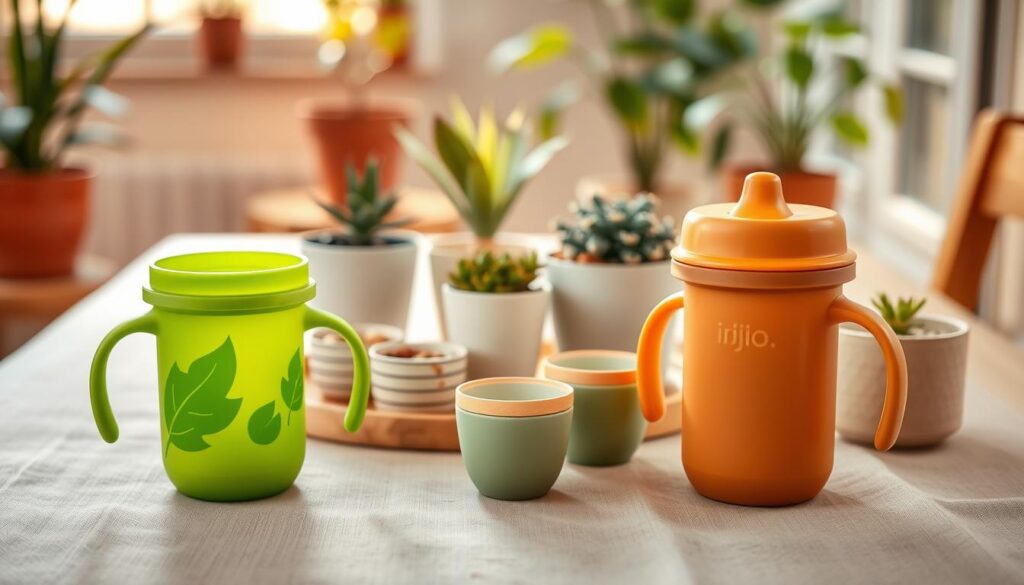
Modern parents are increasingly prioritizing the planet when selecting essential gear for their little ones. Making mindful choices during the early years helps foster a healthier environment for the next generation. By focusing on durability and material safety, families can significantly reduce their household waste.
Materials for a Greener Future
When searching for eco-friendly sippy cups, the material composition is the most critical factor. Many parents now prefer stainless steel, food-grade silicone, and tempered glass over traditional plastics. These materials are not only safer for your child but also offer superior longevity.
The market has seen a 33.5% rise in demand for biodegradable polymers and sustainable alternatives. Choosing products that avoid harmful chemicals ensures that your baby’s health remains the top priority. Durability is key, as a cup that lasts through multiple stages of development is inherently more sustainable than a disposable one.
Industry Leaders and Responsible Choices
Leading sippy cup brands are now setting new standards by focusing on transparent sourcing and responsible manufacturing. With an adoption rate of 41.8% for sustainable feeding products, companies are responding by reducing plastic packaging and utilizing recycled components. These brands prioritize the entire product lifecycle, from raw material extraction to end-of-life recyclability.
If you are looking for guidance on selecting the best sustainable gear, feel free to explore resources at ijoyren.com. You can also reach out for personalized advice via WhatsApp or send your questions to joan@bebecares.com. Supporting companies that value transparency helps ensure that your purchase makes a positive impact on the world your child will inherit.
The Role of Self‑Feeding in Nutrition
Self-feeding is more than just a developmental milestone; it is a cornerstone of long-term nutritional health. By allowing children to interact directly with their food, caregivers foster a sense of autonomy that encourages positive participation during mealtimes. This approach supports responsive feeding, where the child learns to recognize their own hunger and fullness cues without external pressure.
Promoting Healthy Eating Habits
Encouraging independence at the table helps children develop a curious and healthy relationship with various food groups. When parents avoid pressuring their little ones to finish specific amounts, they create a stress-free environment that makes trying new textures and flavors much more enjoyable. This natural exploration is essential for building confidence and long-term healthy habits.
Families should always follow age-appropriate guidance from pediatric professionals when making decisions about feeding transitions. Whether you are introducing solids or moving to new textures, professional advice ensures that your child receives the right nutrients at every stage. For personalized support or questions about our products, feel free to reach out to us at ijoyren.com, contact us via WhatsApp, or email joan@bebecares.com.
Managing Portion Sizes Effectively
Understanding how much your child consumes is a common concern for many parents. Using toddler drinking cups equipped with clear measurement markings can provide valuable insights into daily intake patterns. These tools help caregivers monitor hydration and liquid consumption with ease, ensuring that nutritional needs are met consistently.
Data shows that training cups with measurement markings currently see a 29.3% demand among children aged 12 to 24 months. By choosing high-quality toddler drinking cups, you gain a practical way to track progress while supporting your child’s growing motor skills. Empowering your child with the right equipment makes every sip and bite a step toward healthy development.
How to Choose the Right Tableware
Navigating the vast market of feeding accessories requires a clear understanding of your child’s developmental stage. Selecting the right items ensures that mealtime remains a positive experience for both you and your little one. Whether you are looking for the best sippy cups for toddlers or durable plates, focusing on quality is essential.
Factors to Consider for Different Age Groups
Children grow rapidly, and their physical abilities change just as fast. For infants under 12 months, prioritize soft-spout training cups that are gentle on developing gums. As children reach the 12 to 24-month range, they gain better hand-eye coordination, making it the perfect time to introduce weighted straws or open cups.
Toddlers between 2 and 4 years old often prefer designs that mimic adult tableware. For children older than 4, focus on capacity and durability to keep up with their active lifestyles. You can reach out to us at ijoyren.com or contact us via WhatsApp for personalized advice on selecting the right gear for your child’s specific age.
Recommendations Based on Child’s Needs
When searching for toddler drinking cups, consider your daily routine and your child’s sensory preferences. Some children thrive with insulated stainless-steel options that keep drinks cold, while others prefer lightweight silicone for an easier grip. Always check for leak resistance and dishwasher compatibility to simplify your cleaning routine.
| Feature | Soft-Spout Cup | Straw Cup | Open Cup |
|---|---|---|---|
| Best Age | 6-12 Months | 12-24 Months | 2+ Years |
| Primary Benefit | Gentle on Gums | Promotes Sucking | Develops Skills |
| Cleaning | Easy/Simple | Requires Brush | Very Easy |
If you are still unsure which product fits your needs, feel free to send an email to joan@bebecares.com for expert guidance. We believe that choosing the right toddler drinking cups is a vital step in fostering independence. By prioritizing ergonomic designs and safe materials, you provide the best foundation for your child’s healthy eating habits.
Customer Reviews and Insights
Real-world experiences from other parents often reveal the hidden truths behind popular feeding products. When you start your search for the perfect mealtime gear, customer feedback becomes your most valuable resource for avoiding common pitfalls.
By analyzing recurring comments, you can easily identify which items offer true durability and which ones might lead to frustration. If you need personalized advice on selecting the right gear, feel free to visit our website, reach out via WhatsApp, or send an email to joan@bebecares.com.
Popular Brands and Products
The market for feeding gear is quite concentrated, with a few major players dominating the space. Currently, leading sippy cup brands control over 44% of the global market, providing a wide range of options for families.
Among these, Philips Avent holds a 14.3% share, while Tommee Tippee accounts for 12.6%. Many parents consider these the best sippy cups for toddlers because of their consistent performance and wide availability.
| Brand | Market Share | Key Strength |
|---|---|---|
| Philips Avent | 14.3% | Leak-proof design |
| Tommee Tippee | 12.6% | Ergonomic grip |
| Others | 73.1% | Diverse features |
Real-Life Parent Experiences
When reading reviews, it is helpful to look for patterns rather than focusing on single, isolated complaints. Many parents share insights regarding cleaning difficulty and valve replacement, which are essential factors for long-term use.
To make the best choice, consider these common observations from the community:
- Leakage issues: Check if multiple users report the same problem with specific sippy cup brands.
- Ease of cleaning: Look for feedback on whether the parts are dishwasher safe or prone to mold.
- Child acceptance: Some popular toddler cup styles are easier for little hands to hold than others.
Ultimately, the best sippy cups for toddlers are those that balance your child’s developmental needs with your own convenience. By filtering through reviews, you can find popular toddler cup styles that truly fit your family’s unique lifestyle.
Where to Buy Self‑Feeding Baby‑Tableware
Finding the right tools for your child requires careful research into where you shop. Parents often choose between specialty baby boutiques, large supermarkets, and online marketplaces to secure the best gear. Digital platforms currently account for nearly half of all purchases in the United States, while physical retail chains remain a popular choice for those who prefer to inspect items in person.
Selecting Reliable Retailers
Always verify the reputation of a seller before you complete a transaction. Check for clear return policies, authentic safety certifications, and the availability of replacement parts. Reliable stores provide transparent information about the materials used in their products. This diligence ensures your little one uses safe, high-quality items every day.
If you are searching for durable spill-proof sippy cups, visit https://ijoyren.com/ to browse our latest collection. We prioritize quality and safety for every growing family. Our team offers a wide selection of eco-friendly sippy cups designed to support your child during every mealtime milestone.
Do you need personalized guidance for your purchase? Reach out to us via email at joan@bebecares.com for expert advice. You can contact our support team directly through WhatsApp at https://wa.link/b88mcs to get quick answers to your questions. We look forward to helping you find the perfect tableware for your home.