
Entering the American market requires a deep understanding of safety standards. Parents prioritize safety above all else, making compliance a critical foundation for any successful brand. Whether you are launching a new line or expanding your reach, knowing the regulatory landscape is essential.
Navigating these requirements can feel overwhelming, but you are not alone. From chemical emissions to textile safety, understanding the difference between mandatory rules and voluntary standards protects your business and your customers. Building trust starts with transparency.
If you are looking to Find Reliable Private-Label Baby-Suppliers, resources like iJoyren offer a great starting point. For specific inquiries regarding compliance, feel free to reach out to Joan at joan@bebecares.com or connect via WhatsApp. We are here to help you navigate the complexities of the industry with confidence.
Key Takeaways
- Safety compliance is the most important factor for success in the American market.
- Distinguish clearly between mandatory legal requirements and voluntary industry standards.
- Focus on chemical, textile, and finished-product safety to ensure consumer trust.
- Utilize professional resources like iJoyren to streamline your sourcing process.
- Direct specific compliance questions to experts for accurate guidance and support.
Understanding Baby Goods Certifications
Understanding the regulatory landscape is the first step for baby product suppliers aiming for success in the United States. Navigating these requirements ensures that every item, from crib sheets to rattles, meets the high expectations of American parents and regulators.
Importance of Safety Standards
Safety standards serve as the backbone of the industry, guiding responsible material selection and rigorous testing protocols. By following these guidelines, companies demonstrate a commitment to protecting infants from potential hazards like chemical exposure or structural failure.
“Safety is not just a regulatory hurdle; it is the foundation of the trust that parents place in our brands every single day.”
Proper documentation is equally vital for baby product suppliers. Maintaining detailed laboratory reports and conformity records allows businesses to prove their compliance during audits or safety inspections. If you need guidance on these processes, feel free to reach out to us at ijoyren.com, contact us via WhatsApp, or email joan@bebecares.com.
Overview of Certification Types
It is important to distinguish between mandatory legal certifications and voluntary labels. While some certifications are required by law to sell in the US, others act as quality markers that help products stand out in a crowded market.
For instance, the OEKO-TEX® STANDARD 100 is a globally recognized voluntary label. It certifies that textiles are free from harmful substances, providing extra peace of mind to health-conscious consumers.
| Certification Type | Purpose | Requirement Status |
|---|---|---|
| CPSC Compliance | Legal safety mandate | Mandatory |
| ASTM Standards | Performance testing | Often Mandatory |
| OEKO-TEX® | Chemical safety | Voluntary |
| JPMA Seal | Quality assurance | Voluntary |
By understanding these differences, baby product suppliers can better manage their compliance strategy. Always verify the specific requirements for your product category to ensure full market access.
Common Certifications for Baby Products
If you are launching private-label baby products, knowing which certifications are essential is your first step toward success. Navigating the regulatory landscape ensures that your items are safe for infants and compliant with federal law. While some standards are mandatory, others serve as powerful marketing tools to build consumer trust.
ASTM International Certification
ASTM International provides the technical standards that most baby goods must meet to be considered safe. These voluntary standards cover everything from crib stability to the chemical composition of toys. Adhering to these guidelines is a hallmark of a high-quality brand.
When developing private-label baby products, you should ensure your manufacturing partner conducts rigorous testing against these specific ASTM protocols. This proactive approach minimizes the risk of product recalls and demonstrates a commitment to infant safety.
Consumer Product Safety Improvement Act (CPSIA)
Unlike voluntary standards, the CPSIA is a mandatory federal law in the United States. It requires manufacturers to provide a Children’s Product Certificate (CPC) based on testing from a CPSC-accepted laboratory. You must also include permanent tracking information on the product and its packaging.
“Safety is not just a regulatory requirement; it is the foundation of the relationship between a brand and the parents who trust them.”
Compliance with the CPSIA is non-negotiable for anyone selling in the US market. If you need guidance on navigating these legal obligations, feel free to reach out to us at ijoyren.com or contact us via WhatsApp. You can also email your questions to joan@bebecares.com.
JPMA Certification
The Juvenile Products Manufacturers Association (JPMA) offers a certification program that goes beyond basic safety. It signifies that a product has been tested and verified to meet the highest industry standards. Many retailers prefer to stock items that carry the JPMA seal because it provides an extra layer of assurance to shoppers.
It is important to distinguish these safety certifications from marketing claims regarding materials. For example:
- GOTS Organic: Requires at least 70% organic fibers in the textile.
- USDA Organic: Requires at least 95% organic ingredients to display the official seal.
By combining mandatory CPSIA compliance with voluntary certifications like JPMA, your private-label baby products will stand out in a competitive market. Prioritizing these standards protects your business and, most importantly, the children who use your products.
The Role of the CPSC in Baby Goods
When you source products for infants, the Consumer Product Safety Commission (CPSC) acts as the ultimate authority on safety and compliance in the United States. This federal agency is dedicated to protecting the public from unreasonable risks of injury or death associated with consumer products. For wholesale baby suppliers, understanding these regulations is not just a legal requirement but a fundamental part of building brand trust.
What the CPSC Does
The CPSC maintains rigorous oversight by establishing mandatory safety standards for a wide range of children’s items. They actively monitor the marketplace to identify hazardous products, manage urgent product recalls, and enforce reporting duties for companies that discover safety defects. By keeping a close watch on the industry, the agency ensures that only safe, tested goods reach the hands of parents and caregivers.
Beyond standard enforcement, the CPSC encourages transparency throughout the supply chain. They provide resources to help businesses understand their obligations, which often overlap with international benchmarks like the OEKO-TEX® STANDARD 100. If you need specific guidance on navigating these complex requirements, you can reach out to experts at iJoyren or contact joan@bebecares.com for professional support.
Compliance Guidelines for Manufacturers
Manufacturers and importers must maintain meticulous records to prove their products meet federal safety rules. This includes keeping detailed test reports from accredited laboratories and ensuring that every item is properly labeled. If a potential defect or violation is identified, companies are legally required to address the issue promptly and transparently to prevent harm.
| Compliance Step | Action Required | Target Audience |
|---|---|---|
| Identify Rules | Review CPSC product standards | Wholesale baby suppliers |
| Lab Testing | Verify third-party certification | Manufacturers |
| Reporting | Notify CPSC of defects | Importers |
| Documentation | Maintain test reports | All stakeholders |
Staying compliant requires constant vigilance and a commitment to safety. By following these guidelines, businesses can ensure their products remain safe for the most vulnerable consumers while avoiding the severe consequences of non-compliance.
Safety Testing for Baby Goods
Rigorous safety testing serves as the backbone of trust for every successful baby product line. For private-label baby brands, selecting the right testing protocols is not just a legal requirement but a commitment to the well-being of families. By prioritizing these checks, you ensure that your products meet the high expectations of the United States market.
Types of Tests Required
Every product must undergo specific evaluations to identify potential hazards before reaching the consumer. These tests are designed to simulate real-world use and prevent accidents.
- Mechanical Hazards: Testing for sharp edges, pinch points, and structural integrity.
- Flammability: Ensuring fabrics and materials meet strict fire safety standards.
- Chemical Analysis: Screening for harmful substances, including lead and phthalates.
- Small Parts: Verifying that no components pose a choking hazard for young children.
The severity of these tests often depends on the intended age group of the user. For instance, OEKO-TEX® Product Class 1 applies the most stringent requirements to items designed for babies and children up to three years old.
Accredited Testing Laboratories
It is vital to partner with laboratories that are officially accepted for the applicable U.S. compliance programs. These facilities provide the technical expertise needed to validate your product’s safety profile. Private-label baby brands must maintain complete, organized reports for every material and finished product to ensure full transparency.
If you need guidance on navigating these complex requirements, our team is here to support your journey. You can visit our website at ijoyren.com, reach out via WhatsApp, or send an email to joan@bebecares.com for expert advice. Maintaining rigorous documentation is the best way to protect your brand and your customers.
Certification for Specific Baby Products
Trusted baby suppliers know that safety standards vary significantly depending on the specific type of item being sold. Rather than applying a generic checklist to every product, it is vital to understand the distinct regulatory landscape for different categories. This targeted approach ensures that your inventory meets all legal requirements while maintaining the highest level of consumer trust.
Cribs and Sleep Systems
Cribs and sleep systems are subject to some of the most rigorous safety standards in the industry. Manufacturers must comply with mandatory federal rules that dictate structural integrity, slat spacing, and mattress fit to prevent entrapment or suffocation. Always verify that your products meet the latest ASTM standards, which are often incorporated into federal law.
Car Seats and Safety Restraints
Car seats and child restraints fall under the strict jurisdiction of the National Highway Traffic Safety Administration (NHTSA). These products require extensive crash testing and must feature clear, permanent labeling regarding weight and height limits. Because these items are life-saving devices, compliance is not optional and involves continuous monitoring of production batches.
Toys and Educational Products
Toys must undergo comprehensive testing for small parts, sharp edges, and chemical content, such as lead or phthalates. Trusted baby suppliers often utilize third-party labs to ensure that every educational item is safe for infants and toddlers. For textile-based products like soft toys, certifications such as OEKO-TEX® provide an extra layer of assurance, which can be verified via a unique certificate number or QR code.
| Product Category | Primary Regulatory Focus | Key Certification/Standard |
|---|---|---|
| Cribs | Structural Integrity | ASTM F1169 |
| Car Seats | Crash Performance | FMVSS 213 |
| Soft Toys | Chemical Safety | OEKO-TEX® / ASTM F963 |
If you need further guidance on navigating these specific requirements, feel free to reach out to our team at ijoyren.com. You can also contact us directly via WhatsApp or send an email to joan@bebecares.com for personalized support. Ensuring compliance is the best way to protect your brand and your customers.
Labeling Requirements for Baby Goods
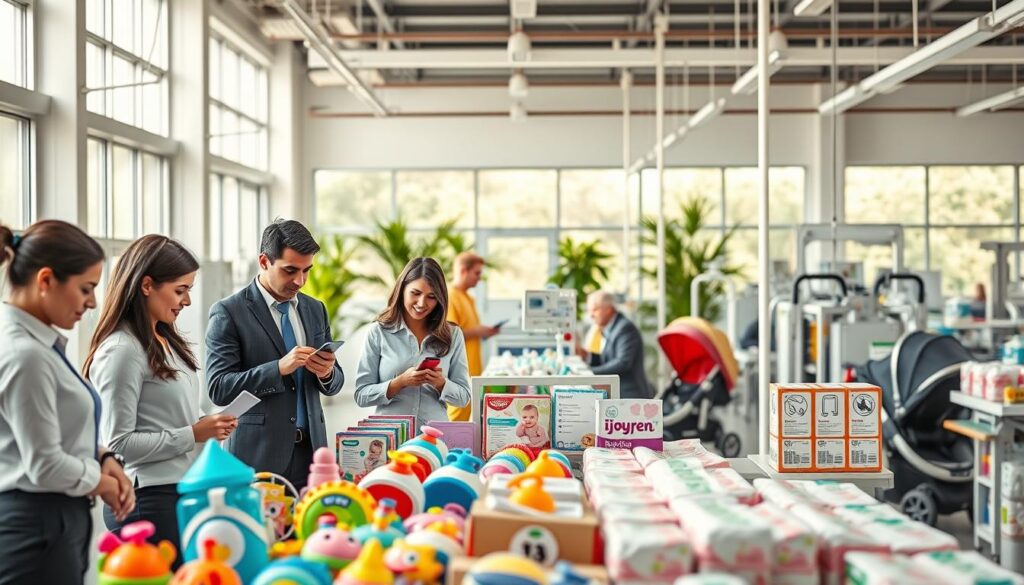
Clear and accurate labeling serves as the primary communication bridge between your brand and concerned parents. For baby product manufacturers, the label is far more than a simple display of a logo; it is a vital legal requirement that ensures consumer safety and regulatory compliance. When you focus on how to make safe baby products, the information you print on your packaging becomes a critical part of that promise.
Required Information on Labels
Every product must clearly identify its nature and origin to meet federal standards. Baby product manufacturers are required to include specific details such as the product name, the manufacturer or importer’s contact information, and a unique tracking number. This tracking information is essential for recalls, allowing authorities to trace a batch back to its production source quickly.
Furthermore, labels must include clear warnings and care instructions. These instructions should be easy to read and specific to the materials used in the item. Providing vague or generic safety language is insufficient; you must provide actionable guidance that helps parents use the product safely every day.
Importance of Accurate Labeling
Accuracy is the cornerstone of trust in the juvenile products industry. Your labels must strictly match the results of your safety tests, the specific materials used, and the intended age group for the product. Relying on broad, unsupported safety claims can lead to legal complications and damage your brand reputation.
“Transparency is not just a regulatory hurdle; it is the foundation of the bond between a brand and the families it serves.”
Consider the value of traceable labeling, such as the OEKO-TEX® STANDARD 100 mark. This system allows users to verify a specific certificate number online, proving that the product has been tested for harmful substances. Baby product manufacturers who adopt this level of transparency demonstrate a genuine commitment to safety that goes beyond the bare minimum.
| Label Component | Purpose | Regulatory Status |
|---|---|---|
| Product Identity | Describes the item | Mandatory |
| Tracking Info | Batch/Date tracing | Mandatory |
| Safety Warnings | Risk mitigation | Mandatory |
| Care Instructions | Maintenance guidance | Recommended |
If you need guidance on your specific labeling strategy, feel free to reach out to our team at ijoyren.com. You can also contact us via WhatsApp or send an email to joan@bebecares.com for further assistance.
International Standards and US Market
When sourcing baby goods, it is vital to distinguish between general international safety benchmarks and the specific legal requirements of the United States. While many manufacturers follow global guidelines, these do not always align perfectly with the rigorous mandates enforced by the Consumer Product Safety Commission (CPSC).
Working with the best private-label baby suppliers ensures that your products are vetted against the correct regulatory framework. You can reach out to experts at ijoyren.com, contact them via WhatsApp, or email joan@bebecares.com for guidance on compliance.
Comparing US Standards to International Ones
International standards often focus on general quality and environmental safety, such as the OEKO-TEX® certification. While this network includes over 35,000 companies, it does not automatically guarantee that a product meets U.S. federal law. Terminology and testing scopes frequently differ between regions, leading to potential gaps in safety documentation.
For instance, chemical limits for lead or phthalates in the U.S. may be stricter than those in other countries. Manufacturers must verify that their testing protocols satisfy U.S. requirements rather than relying solely on international certificates. The best private-label baby suppliers understand this distinction and provide documentation that specifically addresses U.S. compliance needs.
Implications for Importers
Importers bear the legal responsibility for ensuring that every item sold in the U.S. is safe. Relying on an overseas test report without confirming its validity against U.S. standards is a significant risk. You must ensure that the laboratory used is accredited and that the testing methods match the specific product category.
Proper documentation is the backbone of a successful import strategy. Before finalizing any order, confirm that your partner provides a Children’s Product Certificate (CPC) based on U.S.-accepted testing. This proactive approach protects your brand and ensures consumer trust.
| Feature | International Standard | U.S. Requirement |
|---|---|---|
| Primary Focus | General Quality/Eco | Safety/Chemical Limits |
| Testing Scope | Broad/Voluntary | Specific/Mandatory |
| Documentation | Certificates of Origin | Children’s Product Certificate |
| Compliance | Industry Best Practice | Federal Law |
Consequences of Non-Compliance
Ignoring safety regulations for baby products can lead to devastating outcomes for both your business and the families you serve. When a company chooses to bypass mandatory testing or fails to provide accurate documentation, they invite a cascade of legal and financial troubles. These oversights often result in immediate marketplace restrictions and long-term damage to a brand’s reputation.
Risks to Brands and Consumers
The most immediate danger of non-compliance is the potential for consumer harm. Products that lack proper testing may contain hidden hazards, such as choking risks, toxic materials, or structural weaknesses. When these issues reach the public, the result is often a mandatory product recall, which is both costly and reputationally damaging.
“Trust is the currency of the baby goods industry; once it is lost due to a safety failure, it is nearly impossible to regain.”
Beyond the physical danger to infants, brands face severe financial losses from legal fees and inventory destruction. A single recall can wipe out years of profit and force a company to exit the market entirely. Maintaining high standards is not just a legal requirement; it is a fundamental pillar of brand integrity.
Legal Responsibilities for Manufacturers
Manufacturers carry the primary burden of ensuring that every item meets federal safety standards. Failure to provide valid certificates or accurate warning labels can lead to heavy fines and aggressive oversight from regulatory agencies. In some cases, executives may even face personal liability for knowingly distributing unsafe goods.
If you are concerned about your current compliance status, it is vital to seek professional guidance immediately. You can reach out to experts at ijoyren.com or contact the team via WhatsApp for direct support. For specific inquiries regarding your testing documentation, feel free to send an email to joan@bebecares.com to ensure your products remain safe and fully compliant.
Navigating the Certification Process

Navigating the complex world of baby product safety requires a clear and structured roadmap for every manufacturer. By following a logical sequence, you can ensure that your items meet all necessary legal requirements before they reach the shelves. Preparation is the foundation of success in this highly regulated industry.
Steps for Obtaining Certification
The journey toward compliance begins with product classification, where you identify the specific category and age group for your item. Once classified, you must determine the applicable safety standards, such as those set by the CPSC or ASTM. After identifying these requirements, you should prepare representative samples for rigorous testing.
Selecting an accredited testing laboratory is a critical step in this process. These labs perform the necessary evaluations to verify that your product meets all safety benchmarks. For instance, the OEKO-TEX® pathway provides a structured model that includes application, verification, testing, and final inspection. Once testing is complete, you will receive a certificate, which typically remains valid for one year.
Maintaining documentation is just as important as the testing itself. You must keep detailed records of all test reports, certificates, and corrective actions taken during the development phase. If you need professional guidance, you can visit ijoyren.com, reach out via WhatsApp, or send an email to joan@bebecares.com for expert support.
| Stage | Action Required | Key Outcome |
|---|---|---|
| Preparation | Product classification | Defined safety scope |
| Testing | Laboratory evaluation | Compliance report |
| Certification | Final verification | Official certificate |
| Maintenance | Annual renewal | Ongoing compliance |
FAQs about Certification
Many manufacturers often ask about the difference between certification and general compliance documentation. While compliance documentation is a broad term for all evidence of safety, a formal certificate is a specific document issued by an accredited body. Understanding this distinction helps you manage your regulatory obligations more effectively.
Another common question involves the timeline for testing. Depending on the complexity of the product, the process can take several weeks to a few months. It is also vital to remember that any significant change to your product design or materials requires re-testing to ensure continued safety. Importers hold the ultimate responsibility for ensuring that the goods they bring into the United States market are fully compliant with all federal standards.
Resources for Manufacturers
Navigating the complex landscape of baby product safety requires access to reliable data and expert guidance. Whether you are a new importer or an established manufacturer, having the right tools at your fingertips ensures your products meet the rigorous demands of the United States market.
Organizations and Agencies for Guidance
Several key organizations provide the framework necessary for maintaining high safety standards. The Consumer Product Safety Commission (CPSC) remains the primary authority for regulatory information, offering comprehensive guides on mandatory standards and reporting requirements.
For those focusing on textile safety and chemical compliance, OEKO-TEX® offers invaluable support. Their platform provides a detailed Buying Guide, extensive FAQs, and a user-friendly Label Check tool to verify the authenticity of certifications. Engaging with these entities helps you stay ahead of evolving safety mandates.
Helpful Websites and Links
Building a network of trusted partners is essential for long-term success in the baby goods industry. You can streamline your sourcing and compliance efforts by utilizing professional support services and digital databases.
Below are essential resources to assist your team in maintaining full regulatory compliance:
- iJoyren: Visit https://ijoyren.com/ for specialized support in sourcing and manufacturing compliance.
- Direct Assistance: For personalized inquiries regarding your supply chain, reach out via WhatsApp at https://wa.link/b88mcs.
- Professional Consultation: You may send detailed compliance questions directly to the team at joan@bebecares.com.
Staying informed through these channels ensures that your business remains proactive rather than reactive. By leveraging these digital resources, you can confidently navigate the certification process and protect your brand reputation.
Trends in Baby Goods Certifications
The landscape of baby product safety is shifting rapidly as new consumer demands emerge. Today, parents expect more than just basic compliance; they look for transparency, sustainability, and clean-label assurances. Brands that prioritize these values are better positioned to build long-term trust in a competitive market.
It is a mistake to view a single certification report as a permanent shield against liability. Regulations are constantly evolving to address new scientific findings regarding chemical exposure and material safety. Staying informed is essential for any manufacturer aiming to maintain high standards.
Emerging Standards and Regulations
Global regulatory bodies are tightening restrictions on harmful substances, with organizations like OEKO-TEX® frequently updating their limits. Manufacturers must adopt a proactive monitoring strategy to ensure their products remain compliant as these benchmarks change. Relying on outdated test results can lead to significant legal and reputational risks.
Key areas currently seeing increased regulatory scrutiny include:
- Chemical Restrictions: Stricter limits on phthalates, heavy metals, and flame retardants.
- Traceability: Enhanced requirements for documenting the entire supply chain from raw material to finished good.
- Clean-Label Expectations: Growing pressure to disclose all ingredients and materials used in production.
Future of Baby Goods Safety
The future of the industry is clearly leaning toward sustainability and verified safety claims. With the organic baby product sector projected to see a 10.3% growth, consumers are actively seeking products that are both safe for their children and better for the planet. Incorporating recycled materials and organic certifications is no longer just a niche strategy; it is becoming a standard expectation.
To navigate these complex changes, manufacturers should focus on building robust compliance frameworks that adapt to new data. If you need guidance on updating your certification strategy or want to learn more about upcoming requirements, feel free to reach out for support:
Contact Information:
- Website: ijoyren.com
- WhatsApp: Connect with us here
- Email: joan@bebecares.com
“Safety is not a destination, but a continuous process of improvement and vigilance in the face of evolving global standards.”
Conclusion: Ensuring Safety and Compliance
Navigating the complex landscape of baby product safety requires a clear understanding of mandatory rules and testing protocols. You must align every item with specific U.S. safety standards, rigorous testing programs, and precise labeling requirements to protect your customers. Knowing what certifications do baby goods need is the first step toward building a trustworthy brand in the competitive American market.
Voluntary standards like OEKO-TEX, GOTS, and GREENGUARD Gold provide excellent value for your marketing efforts. These labels boost consumer confidence, but they do not replace your core legal obligations. Maintaining accurate documentation and staying updated on regulatory shifts remains vital for long-term success in USA baby product compliance.
Prioritize verifying your suppliers and keeping your compliance records organized at all times. Proper baby goods certification serves as the foundation for a safe and sustainable business model. If you need guidance on sourcing or navigating these requirements, reach out to the team at iJoyren.
Visit https://ijoyren.com/ to explore our resources. You can reach us directly through WhatsApp at https://wa.link/b88mcs or send an email to joan@bebecares.com to discuss your next steps in product safety.