
Launching a new brand in the United States requires strict adherence to safety standards. Navigating these complex regulations can feel overwhelming for entrepreneurs, but you do not have to do it alone.
Partnering with a professional Baby Product OEM allows you to develop compliant items without the heavy cost of building your own factory. These experts provide the production knowledge and quality control needed to ensure your goods meet federal requirements.
By leveraging an established manufacturing partner, you gain access to private-label support and faster market entry. Whether you need help with documentation or testing, our team at ijoyren.com is ready to assist. You can reach us via WhatsApp or email us at joan@bebecares.com to start your journey.
Confirming all safety documentation before your launch is the most important step for success. Utilizing a reliable Baby Product OEM ensures your business remains protected while you focus on growing your brand.
Key Takeaways
- Understand the essential safety certifications required for the US market.
- Learn how manufacturing partners simplify the compliance process.
- Discover the benefits of private-label support for new brands.
- Prioritize quality control to ensure long-term business success.
- Connect with industry experts to streamline your production timeline.
Introduction to Baby Goods Certifications
Bringing custom baby products to the United States market requires a deep understanding of safety protocols. Manufacturers must prioritize the well-being of infants by adhering to strict regulatory frameworks before any item reaches a store shelf.
A proactive approach to compliance protects your brand and builds lasting trust with parents. By integrating safety checks early in the design phase, you avoid costly delays and potential legal hurdles later on.
Importance of Safety and Compliance
Safety is not just a legal requirement; it is the cornerstone of your business reputation. You must distinguish between various types of documentation, such as factory quality documents, official product test reports, and market-specific declarations.
Each document serves a unique purpose in proving that your goods are safe for use. Relying on incomplete paperwork can lead to product recalls or severe penalties from regulatory bodies.
| Document Type | Primary Purpose | Regulatory Role |
|---|---|---|
| Factory Quality Docs | Production standards | Internal auditing |
| Product Test Reports | Safety verification | Compliance evidence |
| Market Declarations | Legal conformity | Customs clearance |
Overview of Certification Process
The journey for custom baby products should begin during the initial development stage. Do not wait until manufacturing is complete to start your testing process, as this often leads to significant setbacks.
Your workflow should follow a logical path: from product concept and material selection to creating samples, conducting lab testing, and finally securing packaging approval. This structured approach ensures that every detail meets the necessary standards before mass production begins.
If you need guidance on navigating these complex requirements, feel free to reach out for professional support. You can visit our website at ijoyren.com, contact us via WhatsApp, or send an email to joan@bebecares.com for expert advice on your custom baby products.
Federal Regulations on Baby Products
Navigating the complex landscape of federal regulations is essential for anyone launching private label baby items in the United States. These rules exist to ensure that every product reaching a nursery is safe, durable, and free from hidden dangers. By adhering to these standards, you protect your customers and build a reputable brand that parents can trust.
Consumer Product Safety Commission (CPSC)
The CPSC serves as the primary watchdog for consumer goods in the United States. They enforce strict safety requirements that apply to almost all private label baby items, ranging from cribs to soft toys. Manufacturers must ensure their products undergo rigorous third-party testing at accredited laboratories to verify compliance.
Beyond testing, the CPSC mandates that companies provide a Children’s Product Certificate (CPC) for their goods. This document proves that your items have passed all applicable safety rules. Additionally, you must include permanent tracking information on the product and its packaging to facilitate potential recalls if a safety issue arises.
Federal Hazardous Substances Act (FHSA)
The Federal Hazardous Substances Act (FHSA) provides another layer of protection by regulating products that may contain toxic or dangerous chemicals. It is vital to evaluate your materials for potential chemical risks, such as lead, phthalates, or other restricted substances. Safety is non-negotiable when it comes to items intended for infants and toddlers.
If a product poses a risk, the FHSA requires clear warning labels to inform parents about potential hazards. Manufacturers are responsible for identifying these risks early in the design phase to avoid costly compliance failures. If you need guidance on specific testing requirements or compliance strategies, you can reach out to the team at ijoyren.com, contact them via WhatsApp, or send an email to joan@bebecares.com for expert support.
Key Certifications Required for Baby Goods
When you buy wholesale baby products, understanding the landscape of mandatory and voluntary certifications is your best defense against liability. Navigating these requirements ensures that your inventory remains compliant with United States safety laws while building long-term trust with your customers.
ASTM International Standards
ASTM International provides the technical foundation for most safety regulations in the juvenile industry. These standards define specific testing protocols for everything from crib slats to stroller stability. Always remember that a certification logo alone does not prove that a specific model or factory scope is covered.
You must request current test reports from your suppliers to verify compliance. Ensure that every document matches the exact SKU you are purchasing to avoid potential safety gaps in your supply chain.
JPMA Certification Program
The Juvenile Products Manufacturers Association (JPMA) offers a voluntary program that goes beyond basic federal requirements. Products bearing the JPMA seal have undergone rigorous third-party testing to ensure they meet the highest industry benchmarks.
While this program is voluntary, it serves as a powerful marketing tool for retailers of wholesale baby products. If you need guidance on verifying these credentials, feel free to reach out to us at joan@bebecares.com or connect via WhatsApp for expert support.
| Certification Type | Primary Focus | Compliance Level |
|---|---|---|
| ASTM Standards | Technical Safety Specs | Mandatory/Baseline |
| JPMA Program | Quality & Performance | Voluntary/Premium |
| CPSC Testing | Federal Law Compliance | Mandatory/Legal |
Health and Safety Standards
Ensuring your products meet global health and safety standards is a critical step in successful baby product manufacturing. While regional regulations vary, maintaining high benchmarks helps protect your young users and builds long-term consumer trust. It is vital to remember that international standards often serve as a baseline, but you must always confirm specific requirements for your target market.
EN 71 Safety of Toys
The EN 71 series is a widely recognized set of European standards designed to ensure the safety of toys. These guidelines cover mechanical, physical, and chemical properties to prevent potential hazards like choking or toxicity. However, do not assume that EN 71 compliance automatically satisfies US federal law.
US brands must always verify if their specific items require additional testing under local regulations. Relying solely on international toy standards can lead to compliance gaps. Always cross-reference your test reports with the specific mandates required for the United States market.
ISO Standards for Quality Assurance
Quality management systems are essential for maintaining consistency in baby product manufacturing. The 2015 version of ISO 9001 serves as a foundational standard for export-oriented factories, ensuring that processes are documented and repeatable. It is important to distinguish between a factory’s management-system certification and a specific product safety test report.
For products that border on medical devices, such as specialized infant monitors or feeding equipment, ISO 13485:2016 is the relevant benchmark. When reviewing documentation, always verify the certification scope, the issuing organization, and the expiration date. You should also confirm that the facility listed on the certificate is the actual site where your goods are produced.
If you need guidance on navigating these complex requirements, feel free to reach out for professional support. You can visit our website at ijoyren.com, contact us via WhatsApp, or send an email to joan@bebecares.com. Proper due diligence in baby product manufacturing is the best way to ensure your brand remains safe and compliant.
Specific Certifications for Toys
When you develop OEM baby gear, safety compliance is the foundation of your brand’s reputation. Navigating the regulatory landscape ensures that your products are safe for children and ready for the competitive United States market.
ASTM F963 – Standard Consumer Safety Specification
The ASTM F963 standard serves as the primary benchmark for toy safety in the United States. It covers a wide range of potential hazards, including small parts, sharp edges, and toxic materials.
Compliance with this standard is mandatory for most children’s products. By adhering to these guidelines, manufacturers demonstrate a clear commitment to consumer protection and product integrity.
Testing Procedures for Toys
Rigorous testing procedures are essential to verify that your OEM baby gear meets all safety requirements before mass production begins. This process typically involves a series of mechanical, physical, and chemical evaluations conducted by accredited laboratories.
Key steps include sample selection, flammability testing, and thorough labeling reviews. These checks help identify potential risks early, allowing for necessary design adjustments before shipping.
| Testing Category | Focus Area | Risk Mitigation |
|---|---|---|
| Mechanical | Structural integrity | Prevents choking hazards |
| Flammability | Material burn rate | Ensures fire safety |
| Chemical | Lead and phthalates | Ensures non-toxic materials |
| Labeling | Age grading/warnings | Provides consumer clarity |
To minimize risks, we recommend using pre-production samples and approved artwork for final inspections. If you need guidance on compliance for your OEM baby gear, feel free to reach out to us at ijoyren.com, contact us via WhatsApp, or email joan@bebecares.com for expert support.
Certifications for Baby Furniture
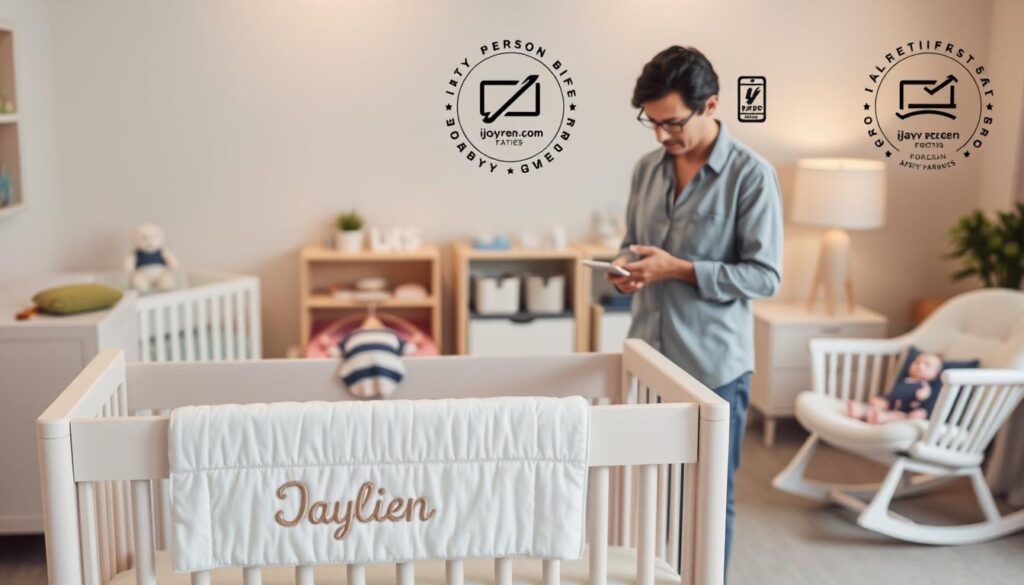
When designing personalized baby merchandise for the nursery, safety must always come first. Creating a secure sleeping environment involves more than just aesthetics; it requires strict adherence to federal mandates that protect infants from structural hazards. Manufacturers looking to enter the market should explore professional baby products OEM/ODM services to ensure every piece meets these high standards.
CPSC Regulations for Cribs and Mattresses
The Consumer Product Safety Commission (CPSC) enforces rigorous standards for all infant furniture. These regulations focus on preventing entrapment, suffocation, and structural failure. Every crib must undergo testing for slat strength, hardware integrity, and mattress support stability.
Proper labeling is equally vital for compliance. Products must clearly display manufacturing dates, batch numbers, and tracking information to facilitate potential recalls. If you need guidance on these technical requirements, feel free to reach out to the team at ijoyren.com or contact us via WhatsApp for expert support.
Certification from Greenguard Gold
Beyond structural safety, indoor air quality is a major concern for parents. The Greenguard Gold certification identifies products with low chemical emissions, ensuring that your personalized baby merchandise does not contribute to poor air quality in the nursery.
It is important to note that this certification complements, but does not replace, mandatory federal testing. Brands should always verify whether a certificate covers the complete finished product or only specific components like paints or fabrics. For further inquiries regarding your production line, you can email joan@bebecares.com to discuss how to integrate these standards into your manufacturing process.
Clothing and Textile Certifications
When you create OEM baby essentials, ensuring the safety of every fabric and fastener is your top priority. Parents trust brands to provide products that are free from harmful chemicals and physical hazards. By prioritizing compliance, you build long-term loyalty and protect your business from potential recalls.
CPSIA Requirements for Children’s Apparel
The Consumer Product Safety Improvement Act (CPSIA) sets strict rules for all children’s products sold in the United States. Manufacturers must ensure that items like bibs, sleep sacks, and blankets undergo rigorous third-party testing. This process confirms that your goods meet safety limits for lead, phthalates, and other restricted substances.
Beyond chemical safety, you must include permanent tracking information on the product and its packaging. This label allows for efficient recalls if a safety issue arises. Proper documentation is essential for every batch of OEM baby essentials you bring to market.
OEKO-TEX Certification for Fabrics
Many brands look to OEKO-TEX certification to verify that their textiles are free from harmful substances. When evaluating a supplier, always verify the certificate holder, the specific product class, and the validity period of the document. It is a common mistake to assume that a certificate for raw fabric covers the entire finished garment.
Remember that certified raw materials do not automatically guarantee compliance for trims, prints, dyes, or fasteners. You must ensure that every component of your OEM baby essentials meets the necessary safety standards. If you need guidance on navigating these complex requirements, feel free to reach out for professional support.
For more information, visit our website at ijoyren.com. You can also contact us via WhatsApp at https://wa.link/b88mcs or send an email to joan@bebecares.com to discuss your manufacturing needs.
Environmental Certifications
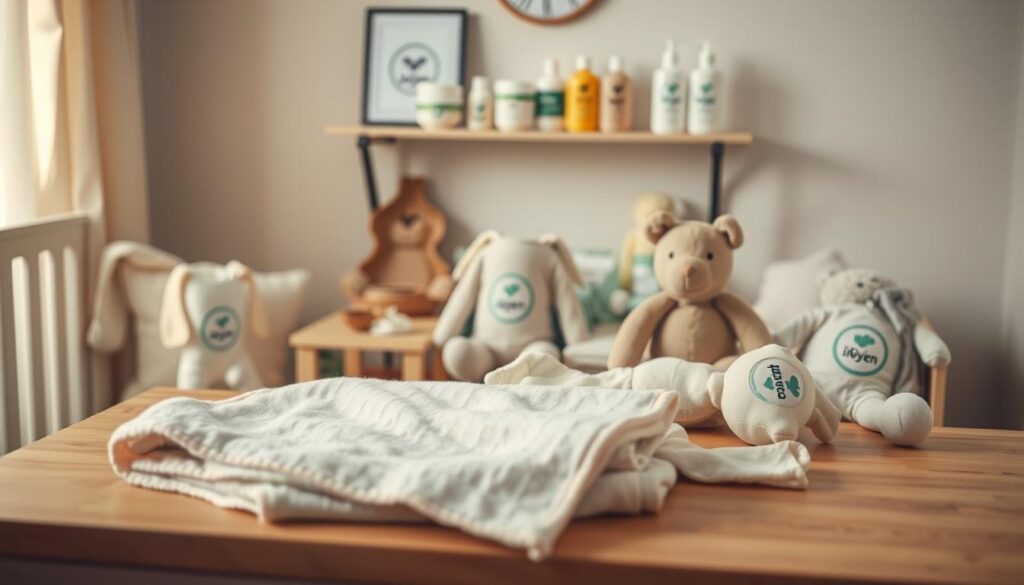
Modern parents are increasingly looking for products that protect both their children and the planet. When you develop custom-branded baby goods, integrating environmental responsibility is no longer optional; it is a vital part of building long-term trust with your customers.
By focusing on sustainable practices, you show that your brand cares about the future of the next generation. If you need guidance on how to align your production with these values, feel free to reach out to us at ijoyren.com or contact us via WhatsApp. You can also send your inquiries to joan@bebecares.com for personalized support.
Eco-friendly Product Certifications
Navigating the world of green labels can feel overwhelming, but it is essential for transparency. Credible certifications for textiles, such as GOTS or OEKO-TEX, ensure that your fabrics are free from harmful chemicals. Responsible sourcing of raw materials is the foundation of any eco-friendly claim.
Beyond fabrics, consider certifications for packaging and low-emission materials. Documenting your fiber composition and chain-of-custody information allows you to make honest marketing claims. When you offer custom-branded baby goods, having these verified documents prevents misleading advertising and strengthens your reputation.
Importance of Sustainability in Baby Goods
Sustainability is deeply connected to product safety and durability. High-quality, eco-friendly materials often last longer, which reduces waste and provides better value for families. Brand trust is built when parents know that their purchase is safe for their baby and kind to the environment.
Before using sustainability language in your marketing, ensure you have documented your recycled content and packaging materials. This diligence protects your business and aligns your custom-branded baby goods with the high expectations of modern consumers. Commitment to the planet is a powerful way to differentiate your brand in a crowded market.
Recent Changes in Certification Laws
The regulatory environment for baby goods is constantly shifting, demanding proactive attention from all stakeholders. Staying informed about these adjustments is essential for any brand looking to maintain a seamless import process in the United States.
Updates in CPSC Regulations
The Consumer Product Safety Commission has introduced significant shifts in how data is submitted for imported goods. One of the most notable developments is the move toward CPSC eFiling, which streamlines the intake of safety data at the border.
Brands must now be prepared to provide a digital Children’s Product Certificate for every shipment. This electronic submission process ensures that safety data is verified before goods are cleared for entry into the country.
“Compliance is not a one-time event but a continuous commitment to the safety of the children who use our products.”
Impact of New Standards on Manufacturers
These new requirements place a heavier burden on supplier documentation to ensure that all laboratory reports are accurate and readily available. Manufacturers must ensure that all technical files are provided in English to avoid unnecessary customs inspections or shipment holds.
Failure to align with these standards can lead to significant delays in production release and logistics. To maintain US baby product compliance, brands should focus on the following areas:
- Ensuring all test reports are current and verified by accredited labs.
- Coordinating closely with overseas partners to standardize documentation formats.
- Monitoring effective dates for new enforcement priorities to prevent supply chain disruptions.
If you need assistance navigating these complex requirements, feel free to reach out to our team at ijoyren.com. You can also contact us via WhatsApp or send an email to joan@bebecares.com for expert guidance on your compliance strategy.
Resources for Baby Goods Manufacturers
Navigating the complex landscape of baby product safety requires a proactive approach to quality management. Building a robust compliance file protects your brand and ensures the safety of every child using your products.
Navigating Official Compliance Channels
Start your journey by utilizing reliable certification resources for baby brands to stay updated on shifting federal requirements. You should verify all certificate numbers directly with the issuing organizations to ensure authenticity.
Always consult the CPSC laboratory directory to select accredited testing facilities for your goods. Using a standardized product testing checklist helps you track every phase of development from raw materials to the finished item.
Building Trusted Partnerships
Effective baby product supplier verification involves reviewing inspection records, packaging artwork, and quality systems as one unified file. Requesting specific reports before approving mass production prevents costly errors and safety recalls.
If you need expert guidance on sourcing or product development, visit https://ijoyren.com/ for professional support. You can reach out via WhatsApp at https://wa.link/b88mcs or send an email to joan@bebecares.com to discuss your specific manufacturing needs today.